 EN
EN
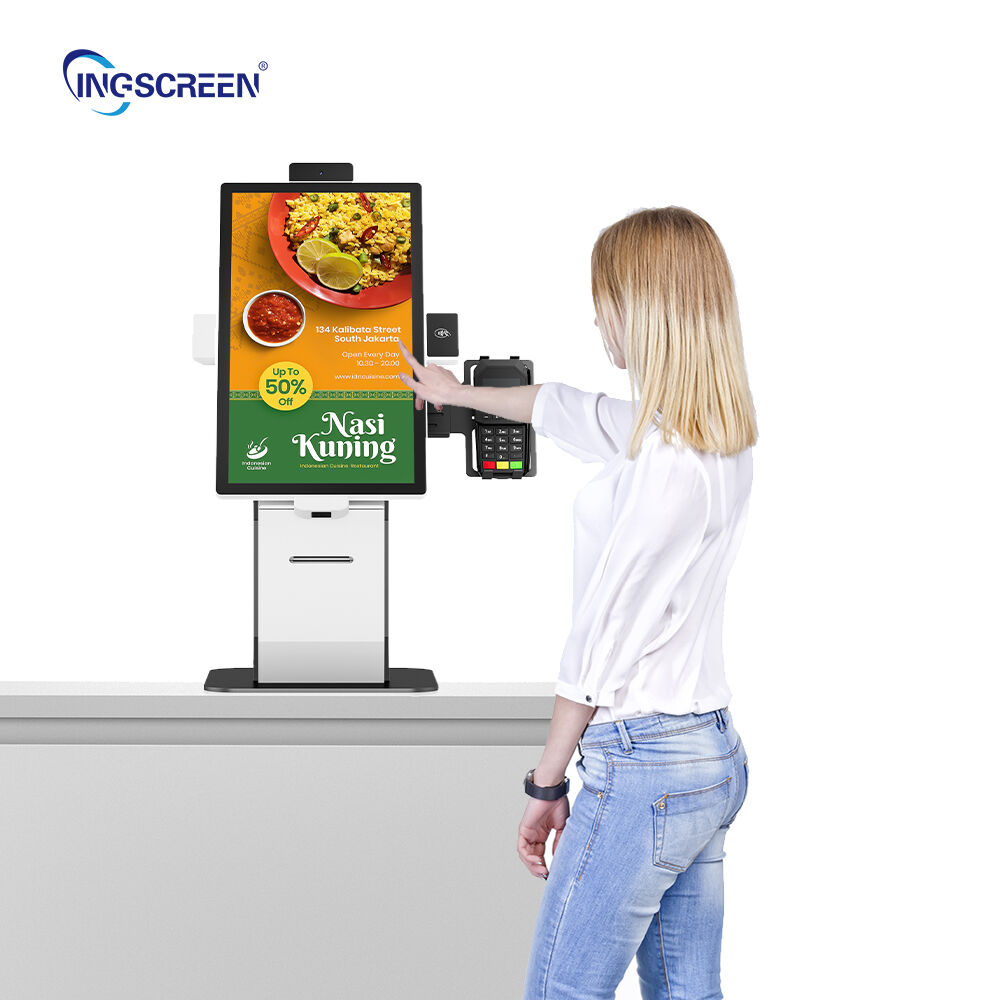
The evolution from traditional signage to digital displays represents one of the most significant shifts in visual communication technology. While traditional signs served their purpose for decades, modern businesses increasingly recognize that digital displays offer transformative capabilities that static signage simply cannot match. This technological transition is driven by measurable advantages in flexibility, cost-effectiveness, engagement, and operational efficiency that make digital displays the superior choice for contemporary business environments.

Understanding these advantages becomes crucial for decision-makers evaluating signage investments. Digital displays deliver immediate content updates, dynamic visual capabilities, interactive features, and data-driven insights that traditional signage cannot provide. These benefits translate into improved customer engagement, reduced long-term costs, enhanced brand presentation, and measurable return on investment that justifies the initial technology investment for businesses across industries.
Content Flexibility and Real-Time Updates
Instant Content Modifications Without Physical Replacement
Digital displays eliminate the time-consuming and expensive process of physically replacing traditional signage materials. Business owners can update pricing, promotions, product information, or messaging instantly through centralized content management systems. This capability proves particularly valuable for retail environments where pricing changes, seasonal promotions, or flash sales require immediate communication to customers.
Traditional signage requires graphic design, printing, installation, and removal processes that can take days or weeks to complete. Digital displays accomplish the same content changes in minutes, allowing businesses to respond rapidly to market conditions, inventory changes, or competitive pressures. This responsiveness creates competitive advantages in fast-paced business environments where timing directly impacts revenue.
The scheduling capabilities of digital displays further enhance content flexibility by allowing businesses to program different messages for specific times, days, or seasons. Restaurants can automatically switch from breakfast to lunch menus, retail stores can display different promotions for peak shopping hours, and corporate offices can share relevant information based on business hours or events.
Multi-Message Rotation and Dynamic Content Delivery
Unlike traditional signage that displays only one static message, digital displays can rotate through multiple pieces of content within the same physical space. This rotation capability effectively multiplies the advertising value of each display location by showcasing various products, services, or messages throughout the day. Businesses maximize their communication opportunities without requiring additional physical signage installations.
Dynamic content delivery includes motion graphics, video content, animated transitions, and interactive elements that capture attention more effectively than static images or text. These visual enhancements increase message retention and engagement rates compared to traditional signage. Research indicates that motion-based digital content receives significantly higher viewer attention and recall rates than static alternatives.
Content rotation also enables targeted messaging for different customer segments throughout the day. Coffee shops can promote breakfast items in the morning, lunch specials at midday, and evening beverages later. This strategic content timing aligns messaging with customer needs and purchasing behaviors, improving conversion rates and customer satisfaction.
Cost Efficiency and Long-Term Savings
Elimination of Recurring Printing and Installation Costs
Traditional signage requires continuous investment in printing materials, graphic design services, and installation labor for every content update. These recurring costs accumulate significantly over time, especially for businesses that frequently update their messaging. Digital displays eliminate these ongoing expenses by delivering content updates electronically without physical materials or labor requirements.
The financial comparison becomes particularly compelling when analyzing annual signage update costs. Businesses that change promotional content monthly can spend thousands of dollars annually on printing and installation services for traditional signage. Digital displays require only the initial hardware investment and minimal ongoing content creation costs, typically recovering their investment within the first year of operation.
Environmental considerations also contribute to cost efficiency as digital displays reduce paper waste, plastic materials, and transportation costs associated with traditional signage production and disposal. This sustainability advantage appeals to environmentally conscious consumers while reducing waste management expenses for businesses.
Reduced Labor and Maintenance Requirements
Digital displays significantly reduce the labor requirements for signage management compared to traditional alternatives. Content updates require only computer access and basic technical skills rather than physical installation teams, graphic design coordination, and material handling processes. This efficiency allows existing staff to manage signage updates as part of their regular responsibilities without specialized training or additional personnel.
Maintenance requirements for quality digital displays are minimal compared to traditional signage that suffers from weather damage, vandalism, fading, and wear over time. Modern digital displays feature durable construction designed for continuous operation with minimal maintenance needs. The absence of physical materials that deteriorate or require replacement reduces long-term maintenance costs and ensures consistent visual quality.
Remote management capabilities further reduce labor costs by enabling centralized control of multiple display locations from a single interface. Businesses with multiple locations can update all their digital displays simultaneously without sending personnel to each site, dramatically reducing the time and cost associated with coordinated messaging campaigns.
Enhanced Visual Impact and Customer Engagement
Superior Brightness and Visual Quality
Digital displays deliver superior visual quality through high-resolution screens, optimal brightness control, and color accuracy that surpasses traditional printed materials. LED and LCD technology provides vibrant colors, sharp text, and clear images that remain consistent regardless of ambient lighting conditions. This visual superiority ensures message clarity and professional presentation in various environments.
Brightness adjustment capabilities allow digital displays to maintain optimal visibility throughout different lighting conditions, from bright outdoor environments to dimly lit indoor spaces. Traditional signage relies on external lighting or ambient conditions, often resulting in poor visibility during certain times or weather conditions. Digital displays maintain consistent visibility and readability regardless of environmental factors.
The contrast ratios and color gamut capabilities of modern digital displays create more compelling visual presentations than traditional printing technologies can achieve. This enhanced visual impact draws customer attention more effectively and creates memorable brand impressions that influence purchasing decisions and brand perception.
Interactive Capabilities and Multimedia Integration
Digital displays support interactive features such as touchscreen navigation, QR code integration, and multimedia content that traditional signage cannot provide. These interactive elements transform passive viewing experiences into engaging customer interactions that provide value beyond simple information display. Customers can access detailed product information, navigate through catalogs, or complete transactions directly through interactive digital displays.
Video content integration allows businesses to demonstrate products, showcase services, or provide educational content that static images cannot effectively communicate. Video demonstrations prove particularly valuable for complex products or services that benefit from visual explanation. This multimedia capability enhances customer understanding and confidence in purchasing decisions.
Social media integration features enable real-time content feeds, customer reviews, and user-generated content display that creates dynamic, fresh content without manual updates. These social elements build community engagement and provide authentic customer testimonials that influence prospective buyers more effectively than traditional advertising claims.
Data Analytics and Performance Measurement
Real-Time Audience Analytics and Behavior Tracking
Digital displays equipped with analytics capabilities provide valuable data about viewer engagement, dwell time, and content effectiveness that traditional signage cannot measure. This data includes metrics such as the number of viewers, viewing duration, interaction rates, and peak engagement periods. These insights enable businesses to optimize their content strategy based on actual performance data rather than assumptions.
Audience demographics analysis through advanced sensor technology helps businesses understand their customer base and tailor content accordingly. Age, gender, and attention pattern data inform content creation decisions and messaging strategies that improve engagement rates and conversion potential. This demographic intelligence guides marketing decisions and inventory planning based on actual customer behavior patterns.
Heat mapping capabilities show which areas of digital displays receive the most attention, enabling businesses to position important messages in high-engagement zones. This optimization improves message effectiveness and ensures that critical information receives maximum visibility. Traditional signage provides no mechanism for measuring or optimizing viewer attention patterns.
Content Performance Optimization and ROI Measurement
Digital displays enable A/B testing of different content variations to identify the most effective messaging, colors, layouts, or calls-to-action. This testing capability allows businesses to continuously improve their signage effectiveness based on measurable results rather than subjective preferences. The ability to test and optimize content leads to higher engagement rates and better business outcomes.
Return on investment calculations become more accurate with digital displays because businesses can track specific metrics such as increased foot traffic, sales conversion rates, and customer engagement levels directly attributed to signage content. This measurable ROI justifies signage investments and guides future marketing budget allocations based on proven performance rather than estimated impact.
Integration with point-of-sale systems and customer relationship management platforms enables businesses to correlate digital display content with actual purchase behavior. This integration provides insights into which messages drive sales, which products benefit from digital promotion, and which customer segments respond best to specific content types. These insights inform inventory decisions, pricing strategies, and marketing campaigns.
Operational Advantages and Business Intelligence
Centralized Management and Remote Control
Digital displays offer centralized management systems that allow businesses to control multiple locations from a single dashboard interface. This centralization ensures consistent messaging across all locations while enabling location-specific customization when needed. Franchise operations, retail chains, and multi-location businesses benefit significantly from this unified control capability that traditional signage cannot provide.
Remote troubleshooting and maintenance capabilities reduce downtime and service costs compared to traditional signage that requires on-site inspection and repair. Digital displays can report system status, performance metrics, and technical issues automatically, enabling proactive maintenance and rapid problem resolution. This reliability ensures consistent business operation and customer experience.
Cloud-based content management enables updates from anywhere with internet access, providing flexibility for business owners and marketing teams to respond quickly to market changes, inventory updates, or promotional opportunities. This accessibility empowers businesses to maintain current and relevant messaging without location or time constraints that limit traditional signage updates.
Integration with Business Systems and Automation
Digital displays integrate seamlessly with existing business systems such as inventory management, point-of-sale terminals, and customer databases to display real-time information automatically. This integration eliminates manual updates and ensures accuracy in pricing, availability, and promotional information. Traditional signage requires manual coordination between systems and physical updates that introduce delays and potential errors.
Automated content triggers based on business conditions such as inventory levels, weather conditions, or time-based events enable responsive messaging that optimizes business outcomes. For example, restaurants can automatically promote weather-appropriate menu items, retail stores can highlight products with high inventory levels, and service businesses can adjust messaging based on appointment availability.
Emergency communication capabilities allow businesses to instantly broadcast important messages such as safety announcements, operational changes, or urgent promotions across all digital displays simultaneously. This rapid communication capability proves invaluable during crisis situations, product recalls, or time-sensitive business events that require immediate customer notification.
FAQ
What is the typical payback period for switching from traditional signage to digital displays?
Most businesses recover their digital display investment within 12-18 months through savings on printing costs, reduced labor requirements, and improved customer engagement leading to increased sales. The exact payback period depends on how frequently content updates occur and the size of the signage installation, but businesses that update their messaging monthly typically see positive ROI within the first year.
Do digital displays require specialized technical expertise to operate and maintain?
Modern digital displays are designed for ease of use with intuitive content management systems that require minimal technical training. Basic computer skills are sufficient for most content updates and routine operations. Professional installation and initial setup may require technical expertise, but ongoing operation can be managed by existing staff with minimal training on the content management platform.
How do digital displays perform in different weather conditions compared to traditional outdoor signage?
Quality outdoor digital displays are specifically engineered to withstand extreme weather conditions including temperature variations, moisture, and direct sunlight exposure. Unlike traditional signage that fades, tears, or becomes illegible in adverse weather, digital displays maintain consistent visibility and image quality. They often include automatic brightness adjustment and anti-glare features that improve visibility in challenging lighting conditions.
Can digital displays integrate with existing marketing and business management systems?
Yes, modern digital displays support integration with most business systems including point-of-sale terminals, inventory management software, customer relationship management platforms, and social media accounts. This integration enables automated content updates, real-time data display, and coordinated marketing campaigns that synchronize with other business operations for maximum effectiveness and efficiency.
Table of Contents
- Content Flexibility and Real-Time Updates
- Cost Efficiency and Long-Term Savings
- Enhanced Visual Impact and Customer Engagement
- Data Analytics and Performance Measurement
- Operational Advantages and Business Intelligence
-
FAQ
- What is the typical payback period for switching from traditional signage to digital displays?
- Do digital displays require specialized technical expertise to operate and maintain?
- How do digital displays perform in different weather conditions compared to traditional outdoor signage?
- Can digital displays integrate with existing marketing and business management systems?

