
 EN
EN
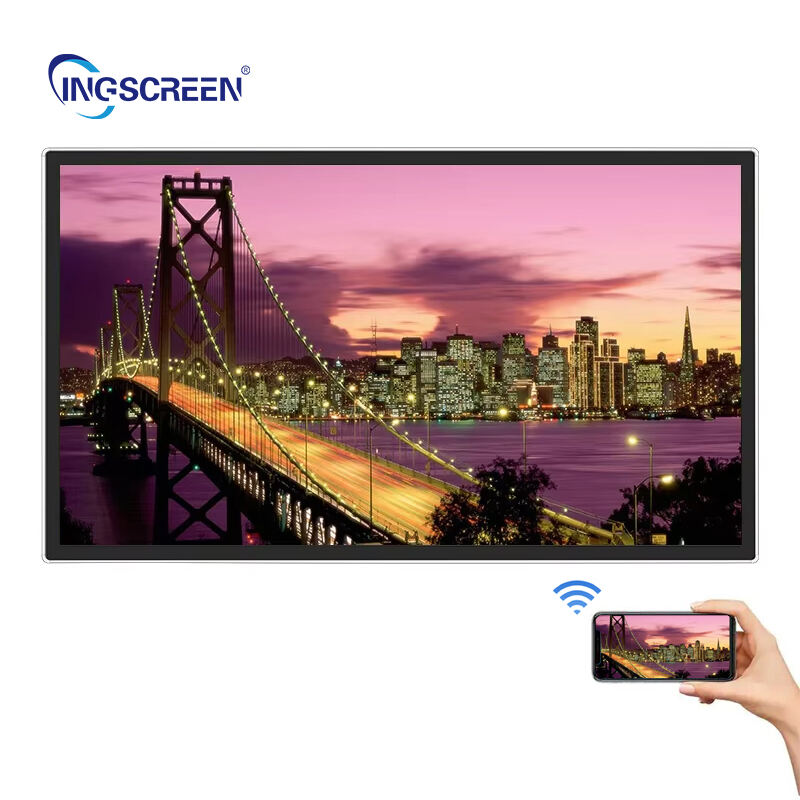
Selecting the appropriate digital display for your business represents a critical decision that impacts customer engagement, operational efficiency, and return on investment. The proliferation of digital display technologies has created both opportunities and challenges for business owners who need to navigate through various screen types, sizes, resolutions, and deployment scenarios. Understanding how different digital display solutions align with specific business objectives becomes essential for making informed purchasing decisions that deliver measurable results.

The modern digital display market encompasses everything from compact countertop screens to large-scale video walls, each designed to serve distinct business functions. Whether you operate a retail store, corporate office, healthcare facility, restaurant, or educational institution, the right digital display solution can transform how you communicate with audiences, streamline information sharing, and enhance the overall customer experience. This comprehensive guide examines the key factors that determine which digital display configuration best serves your operational requirements and strategic goals.
Understanding Digital Display Categories and Applications
Indoor Digital Display Solutions
Indoor digital display environments offer controlled lighting conditions and protection from weather elements, allowing for optimized screen configurations that prioritize image quality and interactive capabilities. These displays typically feature higher pixel densities and more refined color reproduction compared to outdoor alternatives. Retail environments commonly utilize indoor digital displays for product promotions, wayfinding, and brand messaging, while corporate settings deploy them for internal communications, meeting room scheduling, and visitor information systems.
The selection of indoor digital display technology depends heavily on ambient lighting conditions, viewing distances, and content types. Bright retail environments may require high-brightness LCD panels, while dimmer corporate lobbies can effectively utilize standard brightness displays with enhanced contrast ratios. Interactive touchscreen capabilities become particularly valuable in environments where user engagement and self-service functionality drive business value.
Outdoor Digital Display Considerations
Outdoor digital display installations must withstand environmental challenges including direct sunlight, temperature fluctuations, moisture, and physical impacts. These displays typically require significantly higher brightness levels, often exceeding 2,500 nits, to maintain visibility under direct sunlight conditions. Weather-resistant enclosures and thermal management systems become critical components that affect both initial investment costs and long-term operational reliability.
The choice between outdoor LED and LCD digital display technologies often depends on viewing distances and content refresh requirements. Large-format LED displays excel in high-traffic areas where maximum visibility and impact are priorities, while smaller LCD-based outdoor displays may be more cost-effective for focused messaging in pedestrian areas or building entrances.
Technical Specifications That Drive Performance
Resolution and Image Quality Requirements
Display resolution directly impacts content clarity and viewer engagement, with different applications requiring varying levels of detail reproduction. Standard HD resolution may suffice for simple text and basic graphics in many business environments, while 4K resolution becomes essential for detailed product imagery, fine text rendering, or applications where viewers examine content at close distances. The relationship between screen size, resolution, and optimal viewing distance determines whether higher resolution investments deliver proportional value.
Beyond raw pixel count, factors such as color accuracy, contrast ratios, and refresh rates influence how effectively your digital display communicates intended messages. Professional-grade displays often feature wider color gamuts and more precise calibration capabilities compared to consumer alternatives, ensuring consistent brand representation and optimal content reproduction across different lighting conditions.
Connectivity and Content Management Integration
Modern digital display solutions require robust connectivity options that support current content sources while accommodating future expansion needs. Network connectivity enables remote content updates, system monitoring, and centralized management across multiple display locations. The choice between wired and wireless connectivity affects installation complexity, ongoing maintenance requirements, and system reliability in different operational environments.
Content management system compatibility determines how easily you can create, schedule, and deploy content across your digital display network. Cloud-based management platforms offer scalability and remote access advantages, while local content management may provide better security and reduced bandwidth requirements for sensitive business environments. Integration capabilities with existing business systems, such as point-of-sale platforms or building management systems, can enhance operational efficiency and automate content updates based on real-time business conditions.
Business Environment and Use Case Analysis
Retail and Commercial Applications
Retail environments benefit from digital display solutions that enhance product visibility, communicate promotional offers, and guide customer behavior throughout the shopping experience. Digital display placement strategies in retail settings consider customer traffic patterns, product adjacencies, and sight line optimization to maximize message exposure and engagement rates. Interactive displays enable self-service capabilities that can reduce staff workload while providing customers with detailed product information and purchasing options.
The fast-paced nature of retail environments requires digital display solutions with quick content update capabilities and reliable operation during extended hours. Durability considerations become particularly important in high-traffic areas where displays may be subjected to accidental contact or environmental stresses. Energy efficiency also impacts operational costs, especially for businesses operating multiple displays across extended hours.
Corporate and Professional Settings
Corporate applications for digital display technology focus on internal communication, visitor management, and professional presentation capabilities. Conference room displays must integrate seamlessly with existing audio-visual equipment and support various input sources from different devices and platforms. Lobby displays communicate company messaging, event schedules, and wayfinding information while maintaining professional aesthetics that align with corporate brand standards.
Professional environments often require displays with enhanced security features, including content access controls and network isolation capabilities. The ability to display confidential information while maintaining appropriate access restrictions becomes essential for many corporate applications. Additionally, professional displays may need to operate continuously with minimal maintenance intervention, making reliability and remote monitoring capabilities critical selection factors.
Budget Planning and Return on Investment
Initial Investment Considerations
Digital display pricing varies significantly based on screen technology, size, resolution, and feature sets, requiring careful budget planning that balances immediate needs with long-term business objectives. Entry-level displays may offer basic functionality at lower upfront costs but could require more frequent replacement or fail to deliver desired business impact. Premium displays typically provide enhanced durability, better image quality, and more comprehensive warranty coverage that can reduce total cost of ownership over extended deployment periods.
Installation costs often represent a substantial portion of total project expenses, particularly for complex mounting requirements, electrical work, or network infrastructure upgrades. Professional installation ensures optimal display positioning, proper cable management, and compliance with safety regulations, while potentially qualifying for manufacturer warranty coverage. The choice between professional installation and internal deployment depends on technical expertise availability and project complexity.
Operational Costs and Maintenance Planning
Ongoing operational expenses include electricity consumption, content creation, software licensing, and preventive maintenance services. Energy-efficient digital display models can significantly reduce electricity costs over multi-year deployment periods, with LED-backlit LCD displays typically consuming less power than older fluorescent-backlit alternatives. Content creation costs vary depending on whether you develop materials internally or engage external creative services for professional-quality graphics and video production.
Maintenance planning should account for potential component replacement, software updates, and cleaning requirements that maintain optimal display performance. Extended warranty coverage and service agreements can provide predictable maintenance costs while ensuring rapid resolution of technical issues that could interrupt business operations. Regular maintenance schedules help preserve image quality and extend display lifespan, maximizing return on your digital display investment.
FAQ
What size digital display is most appropriate for my business space?
The optimal digital display size depends on your viewing distance, space dimensions, and content requirements. For indoor applications, a general rule suggests that the viewing distance should be approximately 2-3 times the screen height for comfortable viewing. Smaller spaces like retail counters may benefit from 32-43 inch displays, while lobby areas or large retail spaces often require 55-65 inch displays or larger to ensure visibility from various angles and distances.
How do I determine the right brightness level for my digital display?
Brightness requirements vary significantly based on ambient lighting conditions in your installation environment. Indoor retail spaces typically need 300-500 nits for optimal visibility, while areas with large windows or bright overhead lighting may require 700-1000 nits. Outdoor installations generally need 2500 nits or higher to compete with direct sunlight. Consider conducting a site survey to measure existing light levels and consult with display professionals for environment-specific recommendations.
What content management features should I prioritize when selecting a digital display system?
Essential content management features include remote content updates, scheduling capabilities, multi-zone content display, and user access controls. Cloud-based management platforms offer greater flexibility for multi-location businesses, while local management may provide better security for sensitive environments. Look for systems that support your preferred content formats, offer template libraries for quick content creation, and provide analytics to measure display performance and audience engagement.
How can I ensure my digital display investment delivers measurable business value?
Establish clear objectives before selecting your digital display solution, whether increasing sales, improving customer satisfaction, reducing perceived wait times, or enhancing brand awareness. Choose displays with built-in analytics capabilities or integrate with tracking systems that monitor viewer engagement, content effectiveness, and operational metrics. Regular content updates, strategic placement optimization, and performance monitoring help maximize your digital display return on investment while identifying opportunities for system expansion or enhancement.
Table of Contents
- Understanding Digital Display Categories and Applications
- Technical Specifications That Drive Performance
- Business Environment and Use Case Analysis
- Budget Planning and Return on Investment
-
FAQ
- What size digital display is most appropriate for my business space?
- How do I determine the right brightness level for my digital display?
- What content management features should I prioritize when selecting a digital display system?
- How can I ensure my digital display investment delivers measurable business value?

