 EN
EN
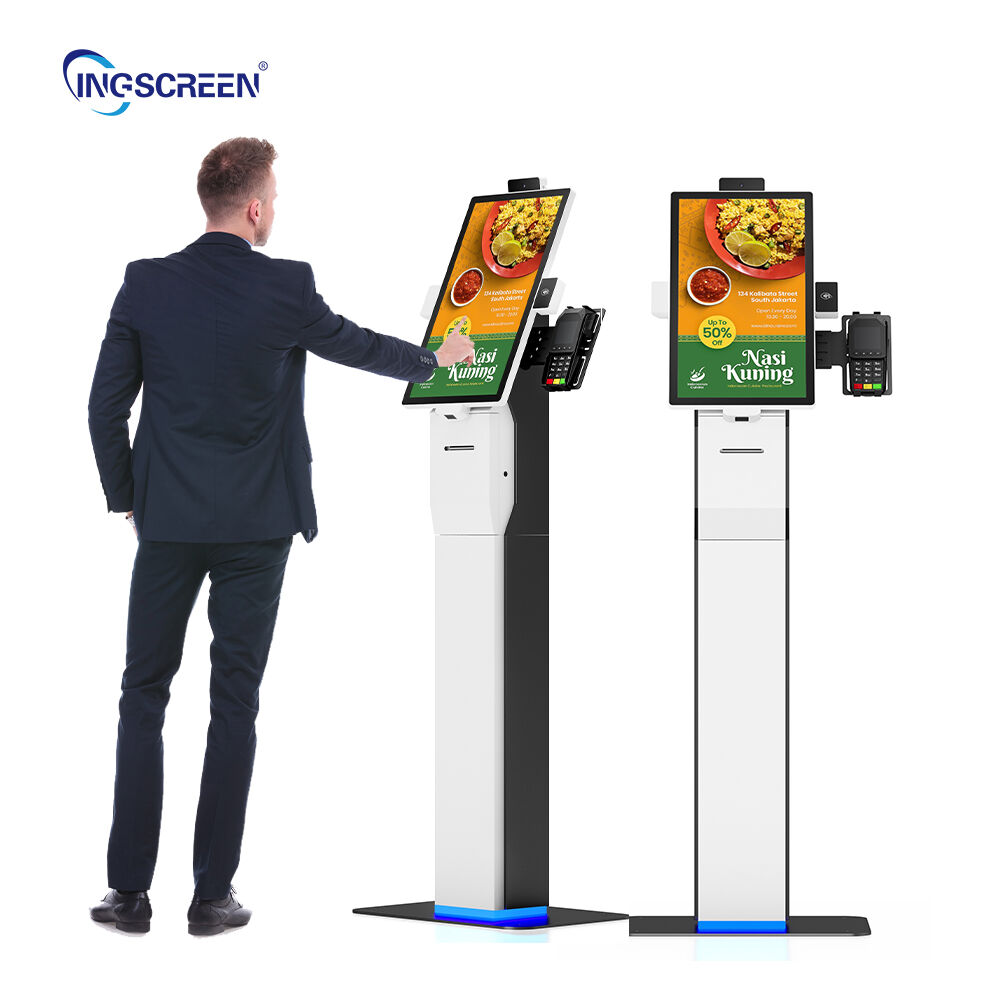
In today's competitive digital marketing landscape, businesses are constantly seeking innovative ways to capture audience attention and deliver compelling brand messages. Advertising players have emerged as fundamental tools that bridge the gap between traditional advertising methods and cutting-edge digital marketing strategies. These sophisticated devices transform static displays into dynamic, interactive marketing platforms that can adapt to real-time market demands and consumer behaviors.

The essential nature of advertising players in digital marketing stems from their unique ability to combine visual impact with technological sophistication. Modern marketing campaigns require more than simple message delivery; they demand engagement, personalization, and measurable results. Advertising players provide the technological foundation that enables marketers to create immersive brand experiences while maintaining the flexibility to adjust content based on performance analytics and changing business objectives.
Advanced Display Technology Integration
High-Resolution Visual Performance
The cornerstone of effective advertising players lies in their superior display technology capabilities. Modern advertising players incorporate high-resolution screens that deliver crystal-clear imagery and vibrant color reproduction, ensuring that marketing content maintains visual appeal across various viewing distances and lighting conditions. This technological foundation is crucial for digital marketing success, as consumers have become accustomed to high-quality visual experiences through their personal devices.
Professional-grade advertising players typically feature 4K resolution displays or higher, providing the pixel density necessary for detailed product showcases and crisp text rendering. The enhanced visual clarity directly impacts brand perception, as studies consistently demonstrate that consumers associate high-quality displays with premium brand positioning. Marketing teams leverage this psychological connection to reinforce their brand's commitment to excellence and attention to detail.
Additionally, advanced display technology in advertising players includes wide viewing angle capabilities, ensuring consistent image quality regardless of viewer position. This feature is particularly valuable in retail environments, transportation hubs, and public spaces where audiences approach displays from multiple directions. The technical specifications of these displays often include anti-glare coatings and brightness adjustment features that maintain visibility in varying ambient lighting conditions.
Dynamic Content Adaptation
Modern advertising players excel in their ability to adapt content dynamically based on environmental factors and audience analytics. These devices incorporate ambient light sensors that automatically adjust screen brightness and contrast to optimize visibility while conserving energy. This intelligent adaptation ensures that marketing messages remain prominent throughout different times of day without requiring manual intervention from marketing staff.
The dynamic content adaptation capabilities extend beyond simple brightness adjustment to include sophisticated content scheduling systems. Advertising players can automatically transition between different marketing campaigns based on predetermined schedules, seasonal variations, or real-time data inputs. This functionality enables marketers to maintain relevant messaging that aligns with business cycles, promotional periods, and target audience activity patterns.
Furthermore, advanced advertising players integrate with weather data services and local event calendars to modify content presentation based on external conditions. For example, a retail advertising player might automatically display umbrella promotions when rain is forecasted or highlight seasonal merchandise based on temperature variations. This level of intelligent content adaptation creates more relevant and timely marketing experiences for consumers.
Robust Connectivity and Network Management
Multi-Platform Integration Capabilities
Essential advertising players provide comprehensive connectivity options that enable seamless integration with existing marketing technology stacks. These devices support multiple communication protocols including Wi-Fi, Ethernet, cellular connectivity, and Bluetooth, ensuring reliable content distribution regardless of deployment environment. The robust connectivity framework allows marketing teams to maintain consistent campaign management across distributed network installations.
Cloud-based content management systems work in conjunction with advertising players to provide centralized control over multiple display locations. This integration capability is fundamental for enterprises managing large-scale digital marketing deployments, as it eliminates the need for physical visits to individual display locations for content updates. Marketing managers can push new campaigns, adjust messaging, and monitor performance metrics from centralized dashboards.
The multi-platform integration extends to social media connectivity, enabling advertising players to display real-time social feeds, user-generated content, and live engagement metrics. This social integration creates opportunities for interactive marketing campaigns that encourage audience participation and extend brand reach through social sharing mechanisms. Advanced advertising players can even respond to social media mentions or hashtags by displaying related content automatically.
Remote Management and Monitoring
Professional advertising players include comprehensive remote management capabilities that allow marketing teams to monitor device health, content performance, and system status from centralized control interfaces. These monitoring systems provide real-time alerts for technical issues, content failures, or connectivity problems, enabling proactive maintenance that minimizes campaign downtime and ensures consistent message delivery.
The remote management functionality encompasses detailed analytics reporting that tracks viewer engagement patterns, content interaction rates, and campaign effectiveness metrics. Marketing teams utilize this data to optimize content placement, adjust messaging strategies, and measure return on investment for digital advertising campaigns. The ability to collect and analyze performance data remotely is essential for data-driven marketing decision making.
Security management is another critical aspect of remote monitoring capabilities in advertising players. These systems include secure authentication protocols, encrypted data transmission, and regular security updates that protect against unauthorized access and potential cyber threats. Marketing teams can configure access permissions, content approval workflows, and automated backup procedures to maintain campaign integrity and brand protection.
Interactive User Engagement Features
Touch Interface Technology
Modern advertising players incorporate sophisticated touch interface technology that transforms passive viewing experiences into interactive brand encounters. Multi-touch capabilities enable complex user interactions including gesture recognition, pinch-to-zoom functionality, and multi-user simultaneous engagement. These interactive features are essential for creating memorable marketing experiences that encourage deeper brand exploration and extended engagement times.
The touch interface technology in advertising players supports various interaction modes including product catalogs, virtual try-on experiences, and configuration tools that allow customers to customize products or services in real-time. This interactive capability bridges the gap between digital marketing and direct sales conversion, providing immediate pathways for interested prospects to engage with products and services.
Advanced touch interfaces in advertising players include haptic feedback systems that provide tactile responses to user interactions, enhancing the overall engagement experience. The combination of visual, audio, and tactile feedback creates multi-sensory marketing experiences that improve information retention and brand recall. Marketing teams leverage these sensory engagement features to create distinctive brand experiences that differentiate their campaigns from competitor messaging.
Data Collection and Analytics Integration
Interactive advertising players serve as powerful data collection platforms that gather valuable insights about customer preferences, engagement patterns, and behavioral trends. Built-in analytics systems track user interaction duration, content preferences, and navigation patterns, providing marketing teams with detailed intelligence about audience interests and campaign effectiveness.
The data collection capabilities extend to demographic analysis through integrated camera systems that can anonymously identify age ranges, gender distribution, and attention patterns without compromising individual privacy. This demographic intelligence enables dynamic content personalization, allowing advertising players to display targeted messages based on audience composition in real-time.
Marketing teams utilize the collected data to refine campaign strategies, optimize content placement, and develop more effective targeting approaches. The integration with customer relationship management systems allows for comprehensive campaign performance analysis that connects digital engagement with downstream conversion metrics and sales outcomes.
Content Management and Scheduling Systems
Automated Campaign Deployment
Essential advertising players feature sophisticated content management systems that automate campaign deployment across multiple locations and time zones. These systems support complex scheduling algorithms that can coordinate synchronized campaigns, staggered rollouts, and targeted content delivery based on location-specific parameters and audience demographics.
The automated deployment capabilities include intelligent conflict resolution for overlapping campaigns, ensuring that higher-priority messages take precedence during peak engagement periods. Marketing teams can establish hierarchical content priorities, emergency override protocols, and automated fallback content to maintain consistent messaging even during system maintenance or connectivity issues.
Advanced scheduling systems in advertising players integrate with business intelligence platforms to optimize content timing based on foot traffic patterns, sales data, and historical engagement metrics. This data-driven approach to campaign scheduling maximizes exposure during high-impact periods while conserving resources during low-engagement timeframes.
Multi-Format Content Support
Professional advertising players support diverse content formats including high-definition video, interactive applications, web-based content, and real-time data feeds. This multi-format capability enables marketing teams to create rich, varied campaigns that combine different media types for maximum impact and engagement variety.
The content management systems accommodate various file formats, resolution standards, and compression algorithms, ensuring optimal playback quality regardless of source material characteristics. Automatic transcoding capabilities convert uploaded content to optimal formats for specific advertising players, maintaining visual quality while ensuring compatibility across different hardware configurations.
Integration with creative development tools allows marketing teams to preview content appearance across different advertising players before deployment, ensuring consistent brand presentation and message clarity. Version control systems track content revisions, approval workflows, and deployment histories, providing comprehensive audit trails for campaign management and compliance requirements.
Durability and Environmental Adaptability
Commercial-Grade Construction Standards
Advertising players designed for digital marketing applications must meet rigorous durability standards that ensure reliable operation in diverse commercial environments. Industrial-grade components, reinforced housing materials, and advanced thermal management systems enable these devices to function continuously in high-traffic locations, extreme temperatures, and challenging lighting conditions.
The commercial construction standards include vibration resistance, shock absorption, and moisture protection that allow advertising players to maintain performance in transportation environments, outdoor installations, and industrial facilities. These durability features are essential for maintaining consistent marketing message delivery and protecting technology investments in demanding deployment scenarios.
Quality assurance testing for commercial-grade advertising players includes extended operational stress testing, environmental exposure simulation, and component longevity verification. Marketing teams rely on these durability standards to ensure campaign continuity and minimize maintenance interruptions that could impact brand exposure and customer engagement opportunities.
Energy Efficiency and Sustainability
Modern advertising players incorporate energy-efficient technologies that reduce operational costs while supporting corporate sustainability initiatives. LED backlighting, intelligent power management, and automated standby modes optimize energy consumption without compromising display quality or marketing effectiveness.
The energy efficiency features include scheduling systems that automatically adjust power consumption based on business hours, foot traffic patterns, and ambient lighting conditions. These intelligent power management capabilities can reduce energy consumption by up to sixty percent compared to traditional display technologies while maintaining full marketing campaign functionality.
Sustainability considerations in advertising players extend to recyclable component materials, extended product lifecycles, and upgrade pathways that minimize electronic waste. Marketing organizations increasingly prioritize these environmental features as part of comprehensive corporate responsibility programs and cost management strategies.
FAQ
What makes advertising players more effective than traditional static signage for digital marketing campaigns?
Advertising players provide dynamic content capabilities, real-time updates, interactive engagement features, and detailed analytics that static signage cannot match. They enable marketers to adapt messages instantly based on audience response, time of day, or external factors, while collecting valuable data about viewer engagement and campaign effectiveness. The ability to display video content, animations, and interactive elements creates more engaging experiences that capture and maintain audience attention more effectively than static displays.
How do advertising players integrate with existing marketing technology platforms and workflows?
Modern advertising players feature comprehensive API integration capabilities that connect with content management systems, customer relationship management platforms, social media management tools, and business intelligence applications. They support standard communication protocols and cloud-based management systems that allow seamless integration into existing marketing technology stacks. This integration enables automated content distribution, synchronized campaigns across multiple channels, and consolidated reporting that aligns with established marketing workflows.
What technical specifications should marketers prioritize when selecting advertising players for their campaigns?
Key technical priorities include high-resolution display capability (preferably 4K or higher), robust connectivity options (Wi-Fi, Ethernet, cellular), sufficient processing power for multimedia content, adequate storage capacity for campaign assets, and comprehensive content management software. Additionally, consider environmental durability ratings, energy efficiency features, remote monitoring capabilities, and scalability options that support future campaign expansion. The specific requirements will vary based on deployment environment, content complexity, and integration needs with existing marketing systems.
How do advertising players contribute to measurable return on investment for digital marketing initiatives?
Advertising players provide detailed analytics including viewer engagement metrics, content interaction rates, dwell time measurements, and demographic insights that enable precise ROI calculation. They support A/B testing capabilities for content optimization, integration with sales tracking systems to connect exposure with conversion outcomes, and cost efficiency through reduced printing and distribution expenses compared to traditional advertising methods. The ability to update content remotely eliminates ongoing campaign modification costs while enabling rapid response to market opportunities that can improve campaign effectiveness and revenue generation.
Table of Contents
- Advanced Display Technology Integration
- Robust Connectivity and Network Management
- Interactive User Engagement Features
- Content Management and Scheduling Systems
- Durability and Environmental Adaptability
-
FAQ
- What makes advertising players more effective than traditional static signage for digital marketing campaigns?
- How do advertising players integrate with existing marketing technology platforms and workflows?
- What technical specifications should marketers prioritize when selecting advertising players for their campaigns?
- How do advertising players contribute to measurable return on investment for digital marketing initiatives?

