
 EN
EN
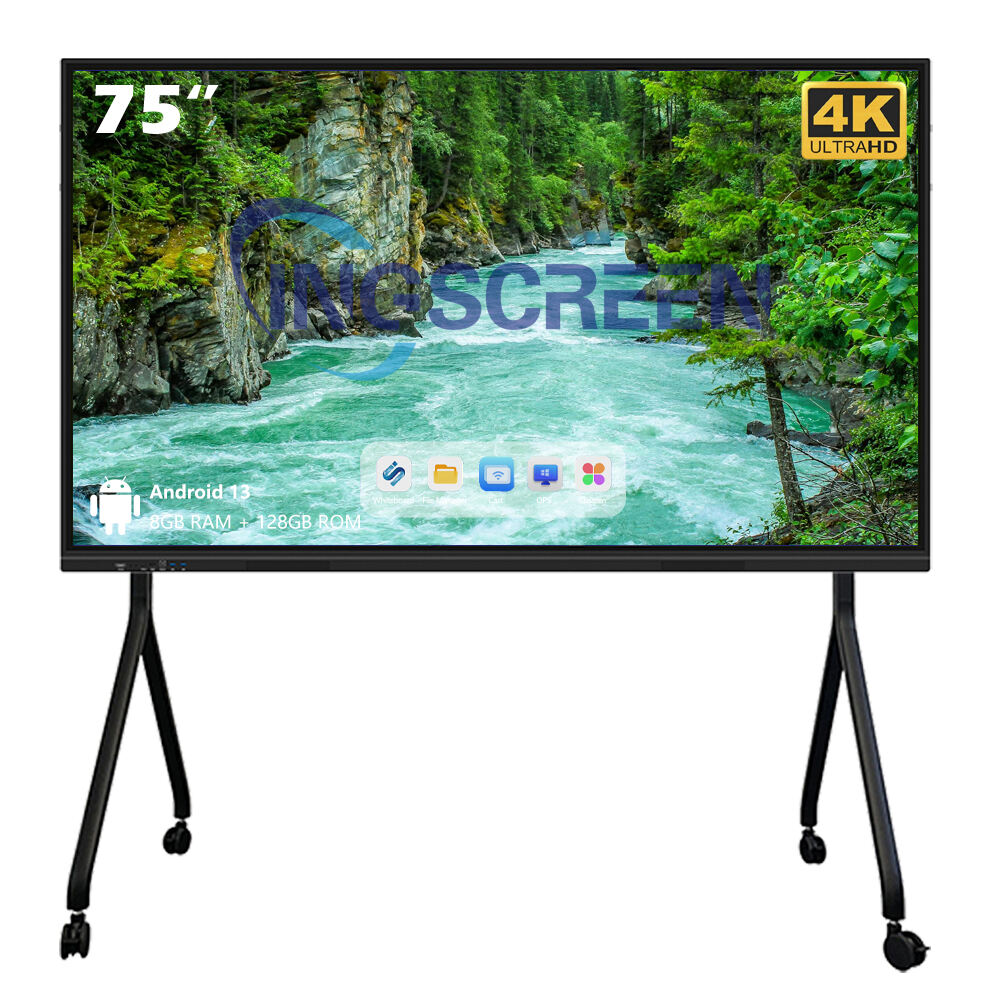
Selecting the right smart board supplier represents a critical decision that can significantly impact your organization's educational or business technology infrastructure for years to come. The digital transformation of classrooms and meeting rooms has made interactive whiteboards essential tools, but the market presents numerous vendors with varying quality standards, support levels, and pricing structures. Understanding the key factors that distinguish exceptional suppliers from mediocre ones will help ensure your investment delivers maximum value and long-term satisfaction.

The complexity of modern interactive whiteboard technology requires careful evaluation of multiple supplier characteristics beyond just price and basic specifications. Today's smart boards integrate advanced touch sensors, high-definition displays, wireless connectivity, cloud-based software, and sophisticated calibration systems that demand expertise in manufacturing, software development, and ongoing technical support. A qualified smart board supplier must demonstrate competence across all these technical domains while providing reliable service throughout the product lifecycle.
Technical Expertise and Product Quality Standards
Manufacturing Excellence and Quality Control
A reputable smart board supplier should maintain rigorous manufacturing standards with comprehensive quality control processes that ensure consistent product performance. Look for suppliers who utilize advanced production facilities equipped with automated testing systems, environmental stress testing chambers, and precision calibration equipment. These facilities should comply with international quality management standards such as ISO 9001, demonstrating their commitment to systematic quality improvement and customer satisfaction.
The supplier's quality control measures should encompass every stage of production, from component sourcing and assembly to final testing and packaging. Request detailed information about their testing protocols, including burn-in procedures, touch sensitivity verification, display uniformity assessments, and durability testing. Premium suppliers often provide certificates of compliance with industry standards such as FCC, CE, and RoHS, indicating their products meet safety and environmental regulations.
Manufacturing transparency becomes particularly important when evaluating potential long-term partnerships with suppliers. Companies that openly discuss their production processes, quality metrics, and continuous improvement initiatives typically demonstrate higher reliability and accountability. Ask potential suppliers about their defect rates, return policies, and steps they take to address quality issues when they arise.
Software Development Capabilities
Modern smart boards rely heavily on sophisticated software platforms that control touch recognition, display management, wireless connectivity, and integration with various applications and devices. An experienced smart board supplier should maintain in-house software development teams capable of creating intuitive user interfaces, reliable device drivers, and comprehensive management tools that enhance the overall user experience.
Evaluate the supplier's software update frequency, security patch deployment procedures, and compatibility testing with popular operating systems and applications. The best suppliers provide regular software updates that introduce new features, improve performance, and address security vulnerabilities. They should also offer comprehensive software development kits and APIs that allow integration with existing IT infrastructure and third-party applications.
Consider the supplier's track record in software innovation and their roadmap for future development. Companies that invest consistently in research and development typically deliver more advanced features and maintain competitive advantages in rapidly evolving technology markets. Request demonstrations of their latest software capabilities and inquire about planned enhancements that align with your organization's long-term technology strategy.
Service Support and Customer Relations
Technical Support Infrastructure
Comprehensive technical support represents a crucial differentiator among smart board suppliers, as even the highest-quality products occasionally require troubleshooting, maintenance, or user assistance. Evaluate potential suppliers based on their support infrastructure, including help desk availability, response time commitments, escalation procedures, and technical expertise levels of their support staff.
Premium suppliers typically offer multiple support channels including phone, email, live chat, and remote diagnostic capabilities that allow technicians to identify and resolve issues quickly. Look for suppliers who provide support during your organization's operating hours and offer emergency support for critical situations. The availability of multilingual support can be particularly valuable for international organizations or diverse user communities.
Assess the supplier's support documentation quality, including user manuals, installation guides, troubleshooting resources, and video tutorials. Well-organized, comprehensive documentation reduces the burden on technical support teams and enables users to resolve common issues independently. Many leading suppliers maintain online knowledge bases with searchable articles, frequently asked questions, and community forums where users can share solutions and best practices.
Training and Implementation Services
Successful smart board deployment requires more than just hardware installation; users need comprehensive training to maximize the technology's potential and achieve desired outcomes. A qualified smart board supplier should offer structured training programs that address various skill levels, from basic operation to advanced feature utilization, customized to your organization's specific needs and objectives.
Evaluate the supplier's training delivery methods, which may include on-site workshops, virtual sessions, self-paced online modules, and train-the-trainer programs that enable internal champions to support ongoing learning. The most effective training programs combine hands-on practice with real-world scenarios relevant to your organization's use cases, ensuring participants develop practical skills that translate directly to improved productivity and engagement.
Implementation services should encompass site assessment, installation planning, configuration management, and integration with existing systems. Experienced suppliers often provide project management support that coordinates these activities efficiently while minimizing disruption to ongoing operations. Ask about their implementation methodology, typical project timelines, and success metrics they use to evaluate deployment effectiveness.
Financial Considerations and Value Proposition
Total Cost of Ownership Analysis
While initial purchase price represents an important factor in supplier selection, a comprehensive total cost of ownership analysis provides a more accurate picture of long-term financial implications. Consider all costs associated with smart board acquisition, including hardware, software licenses, installation, training, maintenance, support, and eventual replacement or upgrade expenses.
A transparent smart board supplier will provide detailed cost breakdowns that help you understand pricing components and identify potential hidden costs. Compare warranty terms, extended service plan options, and replacement part availability among different suppliers. Some suppliers offer comprehensive service packages that bundle hardware, software, support, and maintenance for predictable monthly or annual fees, which can simplify budgeting and reduce administrative overhead.
Evaluate the supplier's financing options, which may include leasing programs, volume discounts, educational pricing, or flexible payment terms that align with your organization's budget cycles and cash flow requirements. Many suppliers offer trade-in programs for existing equipment or upgrade paths that protect your investment as technology evolves.
Return on Investment Considerations
The most valuable smart board supplier partnerships deliver measurable returns through improved productivity, enhanced engagement, reduced operational costs, or other quantifiable benefits. Look for suppliers who can provide case studies, performance metrics, and references from similar organizations that demonstrate the impact of their solutions on key business or educational outcomes.
Consider how the supplier's products and services align with your organization's strategic objectives, whether those involve improving student achievement, enhancing meeting effectiveness, reducing travel costs through better collaboration tools, or supporting digital transformation initiatives. The best suppliers understand their customers' goals and can articulate how their solutions contribute to achieving those objectives.
Request detailed information about energy efficiency, maintenance requirements, and expected product lifespan, as these factors significantly impact long-term operating costs. Smart board supplier partnerships that emphasize sustainability and environmental responsibility may also provide additional value through reduced energy consumption and compliance with green building standards.
Market Reputation and Business Stability
Industry Experience and Track Record
A smart board supplier's industry experience and track record provide valuable insights into their ability to deliver consistent quality and support over time. Research potential suppliers' histories, including how long they have been in business, their market position, customer base size, and major milestones or achievements that demonstrate their expertise and stability.
Look for suppliers who have successfully navigated market changes, technology transitions, and economic challenges while maintaining product quality and customer satisfaction. Companies with extensive experience typically have refined their processes, built strong supplier relationships, and developed deep understanding of customer needs that translate to better products and services.
Industry certifications, awards, and recognition from respected organizations can indicate a supplier's commitment to excellence and innovation. Participation in professional associations, trade shows, and industry committees often reflects active engagement with market trends and standards development that benefits their customers through more advanced and compatible solutions.
Customer References and Case Studies
Direct feedback from existing customers provides perhaps the most valuable information about a smart board supplier's performance and reliability. Request references from organizations similar to yours in terms of size, industry, and use cases, then conduct thorough interviews to understand their experiences with the supplier's products, services, and support.
Ask specific questions about implementation challenges, ongoing support quality, product reliability, and overall satisfaction levels. Inquire about any issues they encountered and how effectively the supplier addressed them. Pay particular attention to comments about the supplier's responsiveness, technical expertise, and ability to meet commitments and deadlines.
Review detailed case studies that demonstrate the supplier's ability to deliver successful outcomes in environments similar to yours. The most credible case studies include specific metrics, challenges overcome, and lessons learned that provide realistic expectations about what you can achieve with the supplier's solutions and support.
Future-Proofing and Innovation Commitment
Technology Roadmap and Development Strategy
The rapid pace of technology evolution in the smart board market makes it essential to select a supplier with a clear vision for future development and the resources to execute that vision effectively. Evaluate potential suppliers' research and development investments, patent portfolios, and partnerships with technology leaders that position them to deliver innovative solutions as market needs evolve.
Request detailed information about the supplier's technology roadmap, including planned product enhancements, new feature development, and integration capabilities with emerging technologies such as artificial intelligence, augmented reality, and cloud computing platforms. Understanding their development priorities helps ensure alignment with your organization's long-term technology strategy.
Consider the supplier's approach to backward compatibility and upgrade paths that protect your investment as new technologies emerge. The best smart board supplier relationships provide clear migration strategies and reasonable upgrade costs that allow organizations to adopt new capabilities without completely replacing existing infrastructure.
Market Positioning and Competitive Advantages
Analyze how potential suppliers position themselves in the competitive landscape and what unique advantages they offer compared to alternatives. This analysis should encompass their target markets, pricing strategies, distribution channels, and key differentiators that create sustainable competitive advantages.
Suppliers with strong market positions often have greater resources for continued innovation, more negotiating power with component suppliers, and better financial stability that reduces the risk of business disruption. However, smaller specialized suppliers may offer greater flexibility, more personalized service, and faster response to changing customer needs.
Evaluate the supplier's partnerships with software developers, hardware manufacturers, and system integrators that expand their solution capabilities and market reach. Strong ecosystem partnerships often indicate the supplier's products will remain compatible with evolving technology standards and provide access to broader solution capabilities that enhance value for customers.
FAQ
How important is local presence when selecting a smart board supplier
Local presence can significantly impact service quality and response times, particularly for installation, training, and technical support activities. While many suppliers can provide remote support for software issues, hardware problems often require on-site service that benefits from nearby technicians and parts inventory. However, some global suppliers maintain excellent service levels through authorized local partners and comprehensive remote diagnostic capabilities.
What warranty terms should buyers expect from reputable smart board suppliers
Standard warranties typically cover hardware defects for 1-3 years, with premium suppliers often offering extended coverage options. Look for warranties that include both parts and labor, with clear definitions of what constitutes normal wear versus defective operation. The best warranties also cover software updates and may include performance guarantees that ensure the product meets specified technical requirements throughout the warranty period.
How can organizations evaluate a smart board supplier's financial stability
Request financial statements or credit reports for privately held companies, or review public financial filings for publicly traded suppliers. Look for consistent revenue growth, positive cash flow, reasonable debt levels, and adequate working capital. Consider the supplier's customer diversification, market position, and track record during economic downturns. Financial instability can lead to reduced support, discontinued products, or business closure that leaves customers without recourse.
What role should environmental considerations play in smart board supplier selection
Environmental factors are increasingly important as organizations pursue sustainability goals and comply with green building standards. Evaluate suppliers' environmental certifications, energy efficiency ratings, material sourcing practices, and end-of-life recycling programs. Many suppliers now offer products that meet ENERGY STAR standards and provide detailed environmental impact data that supports corporate sustainability reporting requirements.
Table of Contents
- Technical Expertise and Product Quality Standards
- Service Support and Customer Relations
- Financial Considerations and Value Proposition
- Market Reputation and Business Stability
- Future-Proofing and Innovation Commitment
-
FAQ
- How important is local presence when selecting a smart board supplier
- What warranty terms should buyers expect from reputable smart board suppliers
- How can organizations evaluate a smart board supplier's financial stability
- What role should environmental considerations play in smart board supplier selection

