 EN
EN
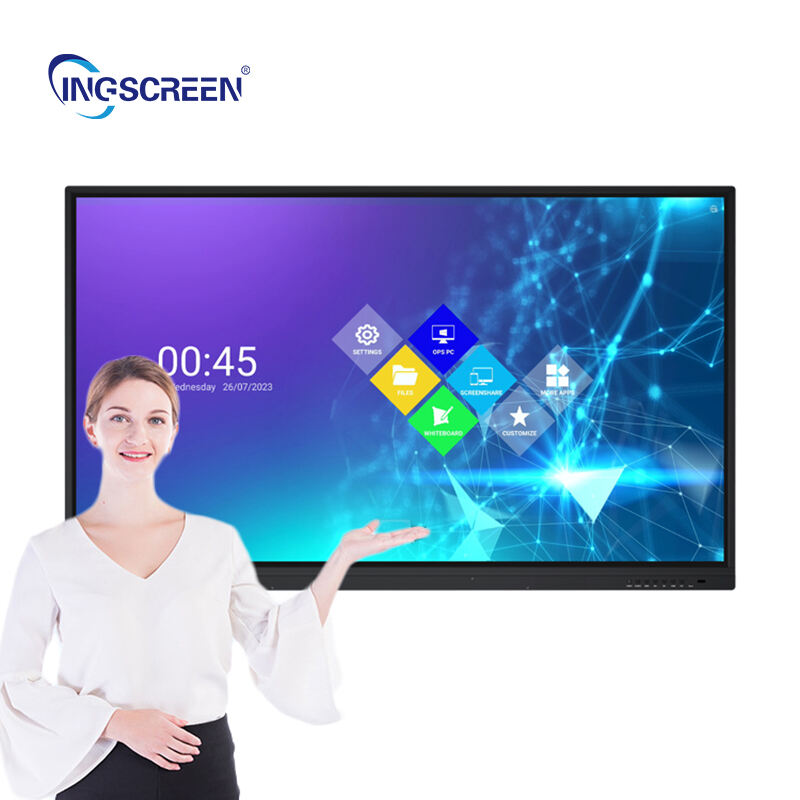
Modern businesses are constantly seeking innovative solutions to streamline their operations and boost productivity. Among the most transformative tools emerging in corporate environments is the smart board, a revolutionary technology that has redefined how teams collaborate and communicate. These interactive displays combine traditional whiteboard functionality with cutting-edge digital capabilities, creating an immersive platform that enhances meeting effectiveness across all organizational levels.
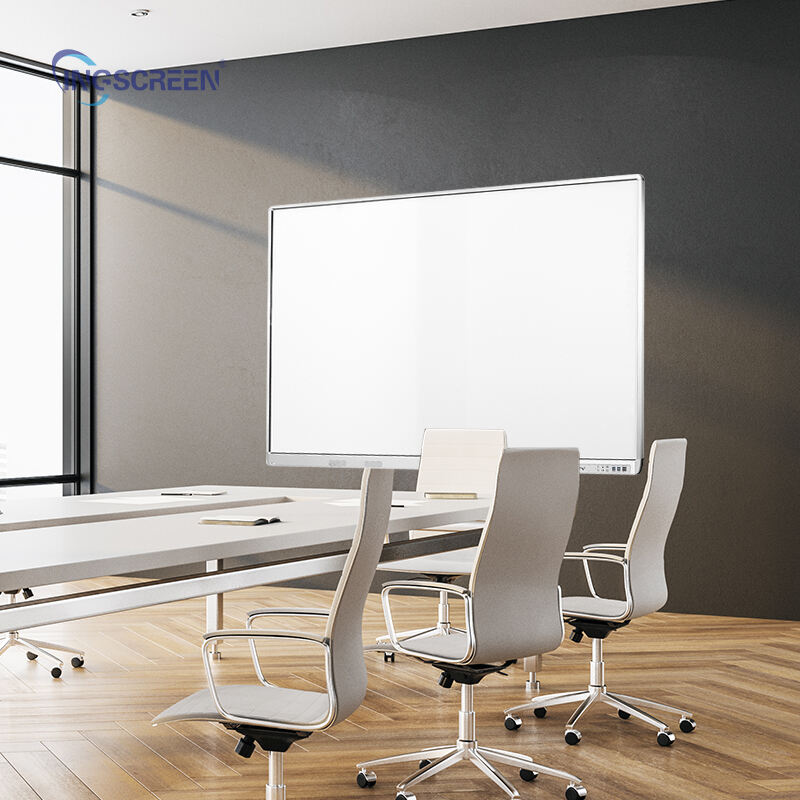
Organizations worldwide have recognized that traditional meeting formats often fail to engage participants fully or capture creative insights effectively. The integration of smart board technology addresses these challenges by providing a dynamic, interactive environment where ideas can be visualized, manipulated, and shared in real-time. This technological advancement represents a significant shift from passive meeting experiences to active, collaborative sessions that drive meaningful outcomes and strategic decision-making processes.
Understanding Smart Board Technology in Corporate Settings
Core Features and Capabilities
The smart board represents a sophisticated fusion of hardware and software technologies designed to facilitate seamless interaction between users and digital content. These systems typically feature large-format touchscreen displays with multi-touch capabilities, allowing multiple participants to interact simultaneously with presentations, documents, and applications. The high-resolution displays ensure that content remains crisp and readable from various viewing angles, making them ideal for conference rooms of different sizes.
Advanced smart board systems incorporate wireless connectivity options, enabling users to share content directly from laptops, tablets, and smartphones without the need for physical cables. This wireless capability extends to cloud-based platforms, allowing teams to access shared documents, project files, and collaboration tools instantly. The integration of built-in cameras and microphones further enhances the meeting experience by enabling high-quality video conferencing with remote participants.
Integration with Existing Business Systems
Modern smart board solutions are designed to integrate seamlessly with existing enterprise software ecosystems, including popular platforms like Microsoft Office 365, Google Workspace, and various project management tools. This compatibility ensures that organizations can leverage their current investments in software while extending functionality through interactive display technology. The ability to access and manipulate familiar applications on a large, collaborative surface transforms how teams work with shared data and documentation.
Security considerations are paramount in corporate environments, and smart board manufacturers have responded by implementing robust authentication protocols and data encryption standards. These security measures ensure that sensitive business information remains protected while still enabling the collaborative benefits that make these devices so valuable. Enterprise-grade management tools allow IT departments to control access permissions, monitor usage patterns, and maintain consistent configurations across multiple devices.
Transforming Meeting Dynamics Through Interactive Collaboration
Enhanced Brainstorming and Creative Sessions
Traditional brainstorming sessions often suffer from limited participation and difficulty in capturing all ideas effectively. Smart board technology revolutionizes these creative processes by providing unlimited digital canvas space where team members can contribute simultaneously. Ideas can be color-coded, categorized, and reorganized in real-time, creating a more structured and inclusive brainstorming environment that encourages participation from all attendees.
The ability to save and share brainstorming sessions digitally means that no ideas are lost, and participants can continue building upon concepts even after the meeting concludes. This continuity enhances the value of creative sessions by extending collaboration beyond the confines of scheduled meeting times. Teams can revisit previous sessions, track the evolution of ideas, and maintain momentum on strategic initiatives through persistent digital workspaces.
Real-Time Data Visualization and Analysis
Business meetings frequently involve the presentation and analysis of complex data sets, market research findings, and performance metrics. Smart board technology enables teams to interact directly with data visualizations, drilling down into specific metrics or adjusting parameters to explore different scenarios. This interactive approach to data analysis leads to deeper insights and more informed decision-making processes.
The large format display allows for comprehensive data presentations that would be impossible on traditional monitors or projector screens. Multiple data sources can be displayed simultaneously, enabling comparative analysis and identification of trends or correlations that might otherwise go unnoticed. Interactive charts and graphs can be manipulated to highlight specific data points, making complex information more accessible to all meeting participants.
Streamlining Presentation and Documentation Processes
Dynamic Presentation Capabilities
Smart board technology transforms static presentations into engaging, interactive experiences that maintain audience attention and encourage active participation. Presenters can annotate directly on slides, highlight key points, and respond to questions by modifying content in real-time. This flexibility allows for more responsive presentations that can be adapted to audience needs and interests as they arise during the meeting.
The ability to seamlessly switch between different applications and content sources during presentations eliminates the technical disruptions that often interrupt meeting flow. Presenters can demonstrate software applications, browse web-based resources, and access cloud-stored documents without leaving the presentation environment. This seamless integration maintains meeting momentum and ensures that all relevant information can be accessed and shared efficiently.
Automated Documentation and Follow-up
One of the most significant advantages of smart board implementation is the automatic capture of meeting content for future reference. All annotations, drawings, and modifications made during meetings are saved digitally, creating comprehensive meeting records that can be distributed to participants immediately following the session. This automated documentation reduces the burden on note-takers and ensures that all attendees have access to consistent, accurate meeting records.
Integration with project management and customer relationship management systems enables automatic creation of action items and task assignments based on meeting discussions. Smart board systems can parse meeting content to identify commitments, deadlines, and responsible parties, streamlining the follow-up process and improving accountability. This automation reduces administrative overhead and helps ensure that meeting outcomes translate into concrete actions and measurable results.
Optimizing Remote and Hybrid Meeting Experiences
Bridging Physical and Virtual Participants
The modern business environment increasingly requires accommodation of remote team members and hybrid meeting formats. Smart board technology excels in creating inclusive meeting environments where remote participants can contribute as effectively as those physically present. High-definition cameras and advanced audio systems ensure that remote attendees can see and hear all meeting activities clearly, while screen sharing capabilities allow them to view and interact with shared content.
Interactive features extend to remote participants through companion applications that mirror the smart board interface on their devices. Remote team members can contribute annotations, share files, and participate in collaborative activities without being limited by their physical absence. This level of integration helps maintain team cohesion and ensures that geographic distribution does not compromise meeting effectiveness or team member engagement.
Cross-Platform Compatibility and Accessibility
Modern smart board solutions support multiple operating systems and device types, ensuring that all team members can participate regardless of their preferred technology platforms. Whether using Windows laptops, MacBooks, Android tablets, or iOS devices, participants can connect to and interact with smart board systems seamlessly. This compatibility eliminates technology barriers and ensures that meetings remain focused on content and objectives rather than technical troubleshooting.
Accessibility features built into smart board systems accommodate users with different physical capabilities and learning preferences. Voice recognition capabilities, adjustable text sizes, and high-contrast display options ensure that all team members can participate fully in meeting activities. These inclusive design features demonstrate organizational commitment to diversity and help create meeting environments where every participant can contribute effectively.
Measuring and Maximizing Return on Investment
Quantifiable Productivity Improvements
Organizations implementing smart board technology consistently report measurable improvements in meeting efficiency and overall productivity. Studies indicate that interactive meeting formats reduce average meeting duration by up to thirty percent while increasing participant engagement and retention of key information. The ability to visualize concepts and collaborate interactively leads to faster problem resolution and more effective decision-making processes.
Cost savings extend beyond reduced meeting times to include decreased travel expenses for remote collaboration, reduced printing and document distribution costs, and improved project completion rates. The digital capture of meeting content eliminates the need for transcription services and reduces the risk of miscommunication or lost information. These quantifiable benefits typically result in full return on investment within twelve to eighteen months of implementation.
Long-term Strategic Advantages
Beyond immediate productivity gains, smart board implementation positions organizations for future growth and technological advancement. The skills and workflows developed through interactive collaboration prepare teams for emerging technologies and changing business requirements. Organizations that embrace smart board technology often find themselves better equipped to adapt to new market conditions and competitive challenges.
The data generated through smart board usage provides valuable insights into team dynamics, meeting patterns, and collaborative preferences. This analytical information can inform organizational development initiatives, space planning decisions, and technology investment strategies. Smart board systems serve as platforms for continuous improvement, enabling organizations to refine their meeting processes and optimize team performance over time.
Implementation Strategies for Maximum Impact
Planning and Preparation Phases
Successful smart board implementation requires careful planning and consideration of organizational needs, existing infrastructure, and user requirements. Organizations should conduct thorough assessments of current meeting practices, identifying pain points and opportunities for improvement. This analysis helps ensure that smart board features align with actual business needs rather than simply adding technology for its own sake.
Infrastructure considerations include network capacity, power requirements, and physical space modifications that may be necessary to accommodate smart board installations. Planning should also address integration with existing audio-visual systems, security protocols, and user training requirements. Comprehensive planning reduces implementation challenges and accelerates user adoption by ensuring that all technical and procedural requirements are addressed proactively.
Training and Change Management
User adoption is critical to realizing the full benefits of smart board technology. Organizations should develop comprehensive training programs that address both technical operation and best practices for collaborative meeting facilitation. Training should be tailored to different user groups, recognizing that executives, project managers, and technical staff may have different needs and comfort levels with new technology.
Change management initiatives should address potential resistance to new meeting formats and emphasize the benefits that smart board technology provides to individual users and teams. Success stories from early adopters can help build enthusiasm and encourage broader participation in new collaborative processes. Ongoing support and feedback mechanisms ensure that users feel confident and supported as they develop proficiency with smart board capabilities.
FAQ
What are the main differences between a smart board and a traditional whiteboard?
A smart board offers digital capabilities including touch interactivity, wireless connectivity, content saving and sharing, integration with software applications, and remote collaboration features. Traditional whiteboards are limited to physical writing that cannot be easily saved, shared, or integrated with digital workflows. Smart boards also provide multimedia capabilities, allowing users to display videos, images, and interactive applications alongside handwritten content.
How does smart board technology improve meeting productivity?
Smart board technology enhances meeting productivity through interactive collaboration, real-time content manipulation, automatic documentation, seamless integration with business applications, and improved engagement from both in-person and remote participants. The ability to visualize concepts dynamically and capture all meeting content digitally reduces follow-up time and ensures that decisions and action items are clearly documented and accessible to all participants.
What technical requirements are necessary for smart board implementation?
Smart board implementation requires reliable network connectivity with sufficient bandwidth to support wireless content sharing and video conferencing. Power requirements vary by model but typically require dedicated electrical circuits. Physical space considerations include appropriate mounting surfaces, viewing distances, and lighting conditions. Integration with existing audio-visual systems may require additional hardware or configuration adjustments to ensure seamless operation.
How can organizations measure the success of smart board adoption?
Organizations can measure smart board success through metrics including average meeting duration, participant engagement levels, project completion rates, user satisfaction surveys, and cost savings from reduced travel and printing expenses. Productivity improvements can be quantified through faster decision-making processes, increased innovation output, and improved collaboration efficiency. Regular assessment of these metrics helps organizations optimize their use of smart board technology and justify continued investment in interactive collaboration tools.
Table of Contents
- Understanding Smart Board Technology in Corporate Settings
- Transforming Meeting Dynamics Through Interactive Collaboration
- Streamlining Presentation and Documentation Processes
- Optimizing Remote and Hybrid Meeting Experiences
- Measuring and Maximizing Return on Investment
- Implementation Strategies for Maximum Impact
- FAQ

