 EN
EN

Corporate meeting dynamics have transformed dramatically with the introduction of interactive panel technology, fundamentally changing how teams collaborate, present, and make decisions. These advanced display solutions have become the cornerstone of modern boardrooms and conference rooms, offering capabilities that far exceed traditional projection systems or static displays. The widespread adoption of interactive panel solutions in corporate environments stems from their ability to bridge the gap between digital content and physical interaction, creating more engaging and productive meeting experiences that drive better business outcomes.
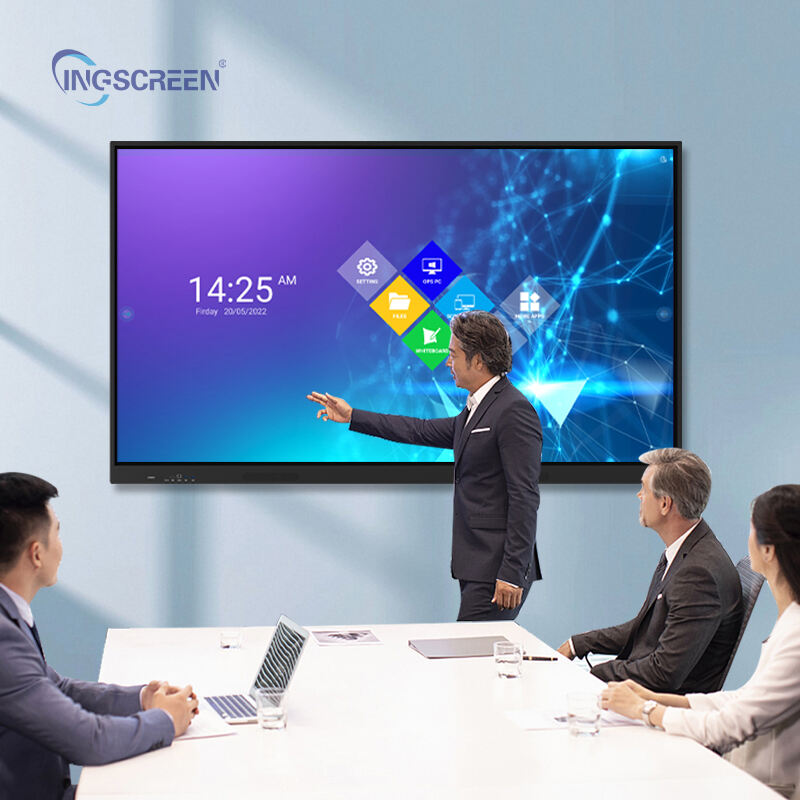
The popularity of interactive panel technology in corporate settings reflects a broader shift toward more collaborative and technology-driven workplace cultures. Organizations are recognizing that traditional meeting formats often fail to maximize participant engagement and creative input, leading to missed opportunities and suboptimal decision-making processes. Interactive panel systems address these challenges by providing intuitive touch interfaces, seamless connectivity options, and powerful collaboration tools that transform passive meeting attendees into active contributors. This technological evolution has made interactive panels an essential investment for companies seeking to enhance their meeting effectiveness and maintain competitive advantages in increasingly digital business environments.
Enhanced Collaboration and Engagement Benefits
Real-Time Interaction Capabilities
The interactive panel revolution in corporate meetings centers on its ability to facilitate real-time interaction among all participants, regardless of their physical location or technical expertise. Unlike traditional presentation methods where information flows unidirectionally from presenter to audience, interactive panel technology creates a dynamic environment where multiple users can simultaneously contribute to discussions, annotate documents, and manipulate visual content. This multi-touch functionality enables teams to work together on complex problems in real-time, fostering a more collaborative approach to problem-solving and decision-making processes that significantly improve meeting outcomes.
The touch-sensitive surface of an interactive panel responds instantly to user input, allowing participants to highlight key points, draw connections between concepts, and modify presentations on the fly. This immediate responsiveness eliminates the traditional barriers between idea generation and visual representation, enabling more fluid and spontaneous discussions. Team members can seamlessly transition from passive listeners to active contributors, creating a more democratic meeting environment where every voice can be heard and every idea can be visually represented for group consideration.
Multi-User Collaboration Features
Modern interactive panel systems support simultaneous multi-user input, allowing several meeting participants to interact with the display surface concurrently without interference or lag. This capability transforms traditional meeting dynamics by enabling parallel workflows where different team members can work on related tasks simultaneously while maintaining visual coordination and communication. The interactive panel technology recognizes multiple touch points and gestures, automatically organizing user inputs and maintaining session continuity even when multiple contributors are actively engaged with the system.
The collaborative features extend beyond simple touch interaction to include advanced functionalities such as split-screen presentations, collaborative whiteboarding, and synchronized note-taking capabilities. These features enable teams to maintain multiple conversation threads while preserving the overall meeting structure and objectives. Participants can create separate work areas within the interactive panel interface, allowing for breakout discussions that can be easily merged back into the main presentation flow, creating a more flexible and responsive meeting environment.
Technical Integration and Connectivity Advantages
Seamless Device Integration
One of the most significant benefits driving interactive panel adoption in corporate environments is the seamless integration with existing technology ecosystems and personal devices. Modern interactive panel systems support wireless connectivity protocols that enable instant screen sharing from laptops, tablets, and smartphones, eliminating the technical barriers that often disrupt meeting flow in traditional setups. This plug-and-play functionality allows meeting participants to share content directly from their personal devices without requiring special cables, adapters, or technical assistance, creating a more efficient and professional meeting experience.
The integration capabilities extend to cloud-based platforms and enterprise software applications, allowing teams to access and manipulate live data during meetings without switching between different systems or interfaces. Interactive panel technology can connect directly to corporate networks, enabling real-time access to databases, customer relationship management systems, and project management platforms. This connectivity ensures that meeting discussions are based on the most current information available and that decisions can be implemented immediately through integrated workflow systems.
Cross-Platform Compatibility
Interactive panel systems demonstrate exceptional versatility through their support for multiple operating systems and software platforms, ensuring that organizations with diverse technology environments can fully leverage these solutions without requiring wholesale infrastructure changes. Whether team members use Windows, Mac, Android, or iOS devices, the interactive panel maintains consistent functionality and performance across all platforms. This cross-platform compatibility eliminates the technical friction that often occurs in mixed-technology environments and ensures that all meeting participants can contribute equally regardless of their preferred devices.
The compatibility extends to various file formats and application types, allowing users to work with presentations, spreadsheets, design files, and multimedia content without format conversion or compatibility issues. This flexibility is particularly valuable in creative and technical meetings where participants may need to share specialized files or work with industry-specific applications. The interactive panel serves as a universal interface that can accommodate diverse content types and workflow requirements without compromising functionality or user experience.
Productivity and Efficiency Improvements
Streamlined Meeting Workflows
Interactive panel technology significantly streamlines meeting workflows by consolidating multiple functions into a single, intuitive interface that eliminates the need for separate devices and systems. Traditional meetings often require complex setups involving projectors, laptops, flip charts, and various cables and adapters, creating opportunities for technical difficulties and time-consuming transitions between different presentation modes. Interactive panel systems replace this fragmented approach with an integrated solution that combines display, input, annotation, and collaboration capabilities in one cohesive platform, dramatically reducing setup time and technical complications.
The streamlined workflow extends to meeting documentation and follow-up processes, as interactive panel systems automatically capture meeting content, annotations, and decisions in digital formats that can be immediately distributed to participants and stakeholders. This automated documentation capability eliminates the traditional reliance on manual note-taking and ensures that important insights and action items are preserved and accessible for future reference. The digital capture functionality also enables more comprehensive meeting records that include visual elements, annotations, and collaborative inputs that would be difficult to reproduce through traditional documentation methods.
Time Efficiency and Meeting Pace
The implementation of interactive panel technology in corporate meetings results in measurable improvements in meeting pace and time efficiency, primarily through the elimination of technical delays and transition periods that commonly disrupt traditional meeting flows. The instant-on capability of interactive panel systems means that meetings can begin immediately without waiting for equipment warm-up, connection establishment, or technical troubleshooting. This reliability factor contributes to more punctual meeting starts and helps maintain momentum throughout the discussion period.
Interactive panel functionality also accelerates decision-making processes by providing immediate access to relevant information and enabling real-time collaboration on solutions and alternatives. Rather than scheduling follow-up meetings to address questions that arise during discussions, teams can use the interactive panel to access additional data, create quick prototypes, or visualize different scenarios on the spot. This immediate problem-solving capability reduces the number of meeting iterations required to reach conclusions and helps organizations maintain project momentum while reducing the overall time investment in collaborative decision-making processes.
Visual Communication and Presentation Enhancement
High-Resolution Display Quality
Modern interactive panel systems deliver exceptional visual quality through high-resolution displays that ensure clarity and detail even when viewed from various angles and distances within corporate meeting spaces. The superior display technology eliminates the image quality limitations associated with traditional projection systems, particularly in brightly lit conference rooms where projector visibility often suffers. Interactive panel displays maintain consistent brightness, color accuracy, and sharpness regardless of ambient lighting conditions, ensuring that all meeting participants can clearly view and interact with presented content.
The high-resolution capabilities of interactive panel technology are particularly beneficial for meetings that involve detailed technical drawings, financial data, or complex visual presentations where clarity is essential for accurate interpretation and decision-making. The crisp display quality enables participants to examine fine details, read small text, and distinguish between similar colors or patterns that might be difficult to discern on lower-quality display systems. This visual fidelity contributes to more effective communication and reduces the likelihood of misunderstandings that can occur when important details are obscured or difficult to see.
Dynamic Content Manipulation
Interactive panel technology enables dynamic manipulation of visual content during meetings, allowing presenters and participants to modify, annotate, and reorganize information in real-time to better support discussion objectives and audience needs. This capability goes far beyond simple slide advancement to include zooming into specific details, highlighting relevant sections, drawing connections between concepts, and creating new visual elements on demand. The dynamic nature of interactive panel displays transforms static presentations into living documents that evolve based on meeting discussions and participant input.
The ability to manipulate content dynamically also supports more responsive and adaptive presentation styles that can accommodate different learning preferences and discussion patterns within meeting groups. Presenters can adjust their approach based on audience reactions, spend more time on complex topics that generate questions, and create custom visualizations to address specific concerns or interests that emerge during discussions. This flexibility makes interactive panel technology particularly valuable for meetings that involve diverse stakeholders with varying levels of technical expertise or different perspectives on the subject matter being discussed.
Cost-Effectiveness and Return on Investment
Long-Term Value Proposition
The adoption of interactive panel technology in corporate meeting environments represents a significant long-term value proposition that extends well beyond the initial investment costs, delivering measurable returns through improved productivity, reduced meeting times, and enhanced collaboration outcomes. Organizations that implement interactive panel solutions typically experience shorter decision-making cycles, more effective knowledge transfer, and improved project coordination that translates into tangible business benefits. The durability and reliability of interactive panel systems also contribute to their value proposition, as these systems typically require minimal maintenance and provide consistent performance over extended periods.
The economic benefits of interactive panel implementation become particularly apparent when considering the cumulative time savings achieved across multiple meetings and teams within an organization. Even modest improvements in meeting efficiency can result in significant productivity gains when multiplied across an organization's entire meeting schedule. Additionally, the enhanced collaboration capabilities enabled by interactive panel technology often lead to better decision-making outcomes, reduced project iterations, and faster time-to-market for new initiatives, creating value that far exceeds the initial technology investment.
Reduced Infrastructure Requirements
Interactive panel systems significantly reduce the infrastructure requirements for effective meeting spaces by consolidating multiple functions into a single device that replaces projectors, screens, whiteboards, flip charts, and various connectivity equipment. This consolidation not only reduces initial procurement costs but also minimizes ongoing maintenance expenses and space requirements. The integrated nature of interactive panel technology eliminates the need for complex ceiling mounts, cable management systems, and specialized lighting configurations that are often required for traditional presentation setups.
The reduced infrastructure requirements also extend to technical support needs, as interactive panel systems typically require less specialized knowledge for operation and troubleshooting compared to multi-component presentation systems. This simplification reduces training requirements for meeting facilitators and minimizes the likelihood of technical issues that require IT support intervention. The self-contained nature of interactive panel technology contributes to more reliable meeting experiences and reduces the total cost of ownership over the system's operational lifetime.
FAQ
How does interactive panel technology improve meeting participation compared to traditional presentation methods?
Interactive panel technology dramatically improves meeting participation by transforming passive audiences into active contributors through intuitive touch interfaces and collaborative tools. Unlike traditional presentations where only the presenter can control content, interactive panels enable multiple participants to simultaneously interact with displayed information, annotate documents, and contribute ideas visually. This democratization of content control encourages more inclusive discussions where team members feel empowered to share insights and build upon each other's contributions in real-time.
What technical requirements are necessary for implementing interactive panel solutions in corporate meeting rooms?
Implementing interactive panel solutions requires standard network connectivity, appropriate wall mounting or mobile stand options, and basic power infrastructure that is typically available in most corporate meeting spaces. The panels integrate seamlessly with existing WiFi networks and support various connectivity protocols including wireless screen sharing, USB connections, and cloud-based platforms. Most interactive panel systems operate on standard voltage requirements and include built-in speakers and microphones, minimizing additional infrastructure needs while maximizing functionality and ease of installation.
Can interactive panel systems accommodate both in-person and remote meeting participants effectively?
Yes, modern interactive panel systems are specifically designed to support hybrid meeting environments where some participants attend in-person while others join remotely. The panels integrate with popular video conferencing platforms and cloud collaboration tools, allowing remote participants to view shared content, contribute to discussions through screen sharing, and access meeting materials in real-time. Advanced interactive panel features include camera integration and microphone arrays that ensure remote participants can see and hear meeting activities clearly while maintaining the ability to contribute meaningfully to collaborative sessions.
What maintenance and support considerations should organizations plan for when adopting interactive panel technology?
Interactive panel systems require minimal ongoing maintenance beyond regular screen cleaning and periodic software updates that are typically automated through network connections. Organizations should plan for basic user training to maximize adoption and effectiveness, though most interactive panel interfaces are intuitive enough for immediate use without extensive technical education. Long-term support considerations include warranty coverage, software licensing for collaboration applications, and potential hardware refresh cycles that typically extend five to seven years depending on usage intensity and technological advancement requirements.
Table of Contents
- Enhanced Collaboration and Engagement Benefits
- Technical Integration and Connectivity Advantages
- Productivity and Efficiency Improvements
- Visual Communication and Presentation Enhancement
- Cost-Effectiveness and Return on Investment
-
FAQ
- How does interactive panel technology improve meeting participation compared to traditional presentation methods?
- What technical requirements are necessary for implementing interactive panel solutions in corporate meeting rooms?
- Can interactive panel systems accommodate both in-person and remote meeting participants effectively?
- What maintenance and support considerations should organizations plan for when adopting interactive panel technology?

