 EN
EN
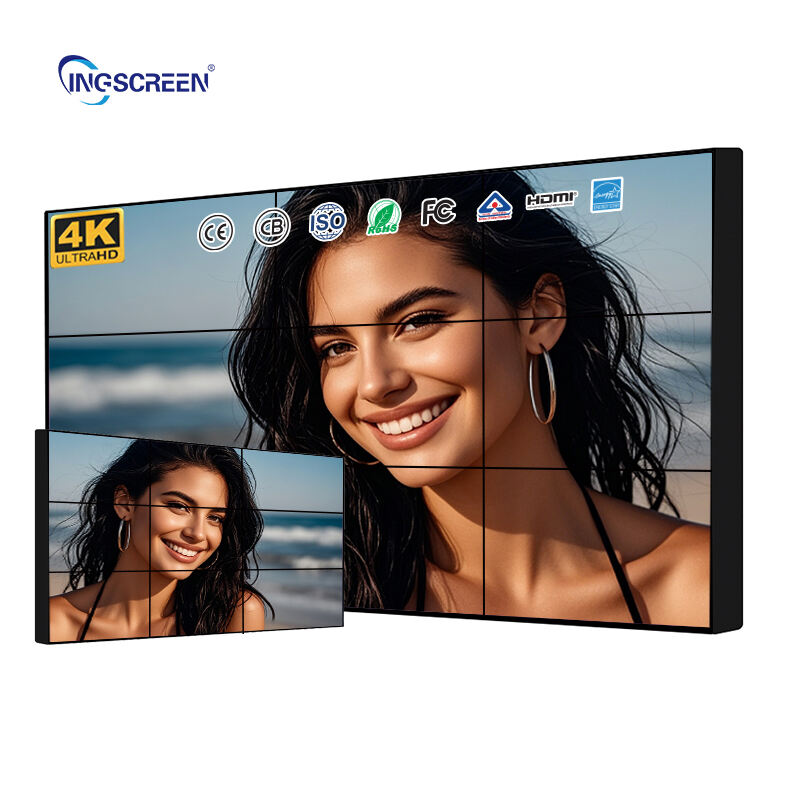
Modern educational institutions are experiencing a significant transformation in their teaching methodologies, with technology playing a pivotal role in enhancing learning outcomes. The integration of an interactive whiteboard into daily classroom instruction represents one of the most impactful technological advances schools can adopt to revolutionize their educational environment. These sophisticated devices combine traditional writing capabilities with digital functionality, creating dynamic learning experiences that engage students and support educators in delivering more effective instruction.

The implementation of interactive whiteboard technology directly addresses multiple educational challenges while providing schools with comprehensive solutions for contemporary teaching demands. From elementary education through higher learning institutions, these versatile tools enable educators to create immersive learning environments that accommodate diverse learning styles and promote active student participation. Understanding how schools can benefit from interactive whiteboard integration requires examining the specific mechanisms through which these devices transform traditional teaching approaches into engaging, technology-enhanced educational experiences.
Enhanced Student Engagement and Participation
Visual Learning Stimulation
The interactive whiteboard fundamentally changes how students perceive and interact with educational content by transforming static information into dynamic, visually engaging presentations. Students respond more positively to lessons when they can see concepts illustrated through colorful graphics, animations, and interactive elements that bring abstract ideas to life. This visual stimulation appeals to kinesthetic and visual learners who often struggle with traditional lecture-based instruction methods.
Research consistently demonstrates that visual learning components significantly improve information retention and comprehension rates among students of all age groups. When teachers utilize an interactive whiteboard to display complex diagrams, scientific processes, or mathematical equations, students develop deeper understanding through multi-sensory engagement. The technology allows educators to manipulate visual elements in real-time, demonstrating cause-and-effect relationships and process sequences that would be impossible to convey through conventional teaching tools.
Active Learning Participation
Interactive whiteboard technology transforms passive learning environments into active participation spaces where students become direct contributors to the educational process. Students can approach the board to solve problems, manipulate digital objects, and collaborate with classmates on interactive exercises that require physical movement and decision-making. This hands-on approach eliminates the traditional barrier between instructor and audience, creating collaborative learning experiences that engage all students regardless of their typical participation levels.
The touch-sensitive capabilities of modern interactive whiteboard systems enable multiple students to work simultaneously on different sections of the same project or problem-solving exercise. Teachers can design activities that require students to drag and drop elements, draw connections between concepts, or participate in digital simulations that reinforce lesson objectives. These interactive features particularly benefit students who learn best through physical engagement and those who may be hesitant to participate in traditional classroom discussions.
Improved Teaching Efficiency and Flexibility
Streamlined Lesson Preparation
The integration of an interactive whiteboard significantly reduces the time educators spend on lesson preparation while simultaneously expanding their available teaching resources. Teachers can access vast libraries of pre-designed educational content, including interactive exercises, multimedia presentations, and subject-specific applications that align with curriculum standards. This accessibility eliminates the need to create materials from scratch for every lesson, allowing educators to focus more time on instructional strategy and student interaction.
Digital lesson storage capabilities enable teachers to build comprehensive resource libraries that can be easily modified, updated, and reused across multiple class sessions and academic years. The interactive whiteboard platform allows educators to save their customized lessons, annotations, and student work samples for future reference or sharing with colleagues. This digital organization system proves particularly valuable for substitute teachers who can access complete lesson plans and interactive materials without extensive preparation time.
Real-Time Instructional Adaptability
Modern interactive whiteboard technology provides educators with unprecedented flexibility to modify their teaching approach based on real-time student feedback and comprehension levels. Teachers can instantly switch between different types of content presentation, from traditional text-based information to video demonstrations, interactive simulations, or collaborative exercises. This adaptability ensures that instruction remains responsive to student needs and learning pace throughout each class period.
The ability to seamlessly integrate internet resources, educational software, and multimedia content allows teachers to explore unexpected learning opportunities that arise during instruction. When students ask questions that require additional explanation or different perspectives, educators can immediately access relevant online resources, educational videos, or interactive demonstrations through the interactive whiteboard interface. This spontaneous resource integration maintains lesson momentum while providing comprehensive answers to student inquiries.
Collaborative Learning Environment Development
Group Project Facilitation
The interactive whiteboard serves as a central collaboration hub that enables students to work together on complex projects and assignments in ways that traditional classroom tools cannot support. Multiple students can simultaneously interact with the board surface, contributing to shared documents, brainstorming sessions, and problem-solving exercises that require collective input. This collaborative functionality particularly benefits project-based learning approaches where students must combine individual expertise to achieve common objectives.
Teachers can design group activities that leverage the interactive whiteboard's multi-touch capabilities to promote teamwork and communication skills development. Students learn to negotiate shared workspace usage, coordinate their contributions, and build upon each other's ideas in real-time digital environments. These collaborative experiences prepare students for modern workplace expectations where digital collaboration tools are essential for professional success.
Peer Learning Opportunities
Interactive whiteboard technology creates natural opportunities for peer-to-peer learning exchanges where students can share their understanding with classmates through interactive presentations and demonstrations. Advanced students can use the board to explain complex concepts to their peers, reinforcing their own learning while providing alternative explanations that may resonate more effectively with struggling classmates. This peer teaching approach often proves more accessible than traditional instructor-led explanation methods.
The interactive whiteboard platform enables students to showcase their work, present research findings, and lead class discussions with professional-quality visual support. Students develop presentation skills, confidence, and leadership abilities while their classmates benefit from diverse perspectives and teaching styles. Teachers can observe these peer interactions to identify knowledge gaps, assess comprehension levels, and adjust their instructional approach based on student-generated insights.
Assessment and Progress Monitoring Capabilities
Real-Time Formative Assessment
The interactive whiteboard technology enables teachers to conduct ongoing formative assessments that provide immediate feedback about student comprehension and learning progress. Interactive polling features, digital quizzes, and collaborative problem-solving exercises generate real-time data about student understanding, allowing educators to identify knowledge gaps before they become significant learning barriers. This immediate assessment capability helps teachers make informed decisions about pacing, review needs, and instructional modifications.
Digital assessment tools integrated with interactive whiteboard systems can automatically compile student response data, generating detailed reports that track individual and class-wide performance trends. Teachers can use this information to provide targeted support for struggling students while offering advanced challenges for those who demonstrate mastery. The data collection capabilities also support evidence-based instructional decisions and provide valuable information for parent conferences and administrative reporting requirements.
Student Work Documentation
Interactive whiteboard platforms offer comprehensive documentation capabilities that capture student work, collaborative processes, and learning progression throughout extended projects or unit studies. Teachers can save screenshots of student problem-solving approaches, record collaborative discussions, and maintain digital portfolios that demonstrate individual growth over time. This documentation proves invaluable for student self-reflection, parent communication, and formal assessment purposes.
The ability to preserve and review student work samples helps educators identify patterns in learning approaches, common misconceptions, and effective teaching strategies. Students benefit from seeing their work preserved and celebrated, while teachers can use documented examples to improve their instructional methods and share successful practices with colleagues. This comprehensive record-keeping supports data-driven decision making and continuous improvement in educational delivery.
Technology Integration and Future Readiness
Digital Literacy Development
Regular interaction with interactive whiteboard technology provides students with essential digital literacy skills that are increasingly important for academic and professional success. Students learn to navigate digital interfaces, manipulate multimedia content, and use technology tools for creative expression and problem-solving. These skills transfer directly to other educational technologies and prepare students for technology-rich learning environments they will encounter throughout their academic careers.
The interactive whiteboard serves as a gateway technology that introduces students to more advanced digital tools and applications in age-appropriate ways. Elementary students develop basic touch-screen navigation skills and digital drawing capabilities, while older students learn to use sophisticated software applications, create multimedia presentations, and collaborate through cloud-based platforms. This progressive skill development ensures that students graduate with relevant technology competencies.
21st Century Learning Skills
Interactive whiteboard integration supports the development of critical thinking, creativity, communication, and collaboration skills that are essential for success in contemporary academic and professional environments. Students learn to evaluate digital information sources, create original multimedia content, and present their ideas using sophisticated technology tools. These experiences prepare students for higher education and career paths that increasingly require advanced technology integration capabilities.
The collaborative features of interactive whiteboard technology specifically address communication and teamwork skills that employers consistently identify as essential for workplace success. Students practice digital communication, learn to coordinate shared projects, and develop presentation skills that translate directly to professional settings. Schools that prioritize interactive whiteboard integration demonstrate their commitment to preparing students for future academic and career challenges.
FAQ
How does an interactive whiteboard improve student learning outcomes compared to traditional teaching methods?
An interactive whiteboard improves learning outcomes by engaging multiple learning styles simultaneously, providing visual, auditory, and kinesthetic learning opportunities that traditional methods cannot offer. Students retain information better when they can interact directly with content, manipulate digital objects, and participate in collaborative activities that reinforce lesson concepts through active engagement rather than passive observation.
What technical support requirements should schools consider before implementing interactive whiteboard technology?
Schools should ensure they have reliable internet connectivity, adequate technical support staff for maintenance and troubleshooting, and comprehensive teacher training programs before implementing interactive whiteboard technology. Additionally, schools need to plan for software updates, hardware maintenance, and ongoing professional development to maximize the educational benefits of their interactive whiteboard investment.
Can interactive whiteboards be effectively used across different subject areas and grade levels?
Yes, interactive whiteboards are highly versatile and can be adapted for all subject areas from elementary through high school levels. Mathematics teachers can use interactive geometry tools, science educators can display interactive simulations, language arts instructors can engage students with multimedia storytelling, and social studies teachers can explore interactive maps and historical timelines. The technology adapts to curriculum requirements rather than limiting instructional possibilities.
What cost considerations should schools evaluate when investing in interactive whiteboard technology?
Schools should consider initial hardware costs, ongoing software licensing fees, teacher training expenses, technical support requirements, and potential infrastructure upgrades when evaluating interactive whiteboard investments. While the upfront costs may be significant, schools typically find that the educational benefits, improved student engagement, and long-term cost savings from digital resource access justify the investment over time.
Table of Contents
- Enhanced Student Engagement and Participation
- Improved Teaching Efficiency and Flexibility
- Collaborative Learning Environment Development
- Assessment and Progress Monitoring Capabilities
- Technology Integration and Future Readiness
-
FAQ
- How does an interactive whiteboard improve student learning outcomes compared to traditional teaching methods?
- What technical support requirements should schools consider before implementing interactive whiteboard technology?
- Can interactive whiteboards be effectively used across different subject areas and grade levels?
- What cost considerations should schools evaluate when investing in interactive whiteboard technology?

