 EN
EN
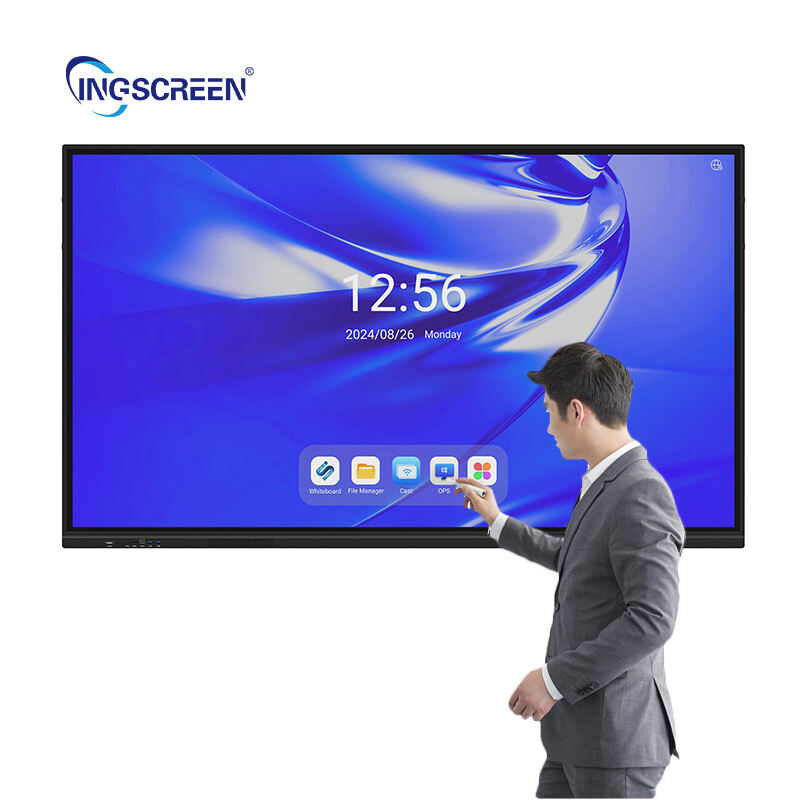
Modern education demands innovative tools that can transform traditional classroom experiences into dynamic learning environments. The interactive whiteboard has emerged as one of the most significant technological advances in educational settings, revolutionizing how teachers deliver content and students engage with learning materials. This powerful educational technology combines the functionality of a traditional whiteboard with advanced digital capabilities, creating unprecedented opportunities for enhanced teaching and learning experiences. Schools worldwide are increasingly recognizing the transformative potential of interactive whiteboard systems in creating more engaging, collaborative, and effective educational environments.

Enhanced Visual Learning and Student Engagement
Multimedia Integration Capabilities
The interactive whiteboard serves as a central hub for multimedia content integration, allowing educators to seamlessly combine text, images, videos, and interactive applications within a single lesson. Teachers can display high-resolution images, play educational videos, and incorporate interactive simulations that bring abstract concepts to life. This multimedia approach caters to different learning styles, ensuring that visual, auditory, and kinesthetic learners all benefit from the enhanced presentation capabilities. The interactive whiteboard technology enables real-time manipulation of digital content, allowing teachers to zoom into detailed diagrams, annotate over video content, and create dynamic presentations that capture student attention more effectively than traditional teaching methods.
Students demonstrate significantly higher engagement levels when lessons incorporate interactive whiteboard technology, as the dynamic visual elements stimulate curiosity and maintain focus throughout the learning session. The ability to interact directly with displayed content transforms passive observers into active participants, fundamentally changing the classroom dynamic. Research indicates that classrooms equipped with interactive whiteboard systems experience improved student participation rates and enhanced retention of educational material compared to traditional teaching environments.
Real-Time Interactive Features
Modern interactive whiteboard systems offer sophisticated touch-responsive capabilities that enable both teachers and students to manipulate digital content through intuitive gestures and direct interaction. These features include multi-touch functionality, allowing multiple users to interact with the board simultaneously, fostering collaborative learning experiences. Teachers can invite students to solve problems directly on the interactive whiteboard, annotate documents, or participate in interactive quizzes and games that make learning more enjoyable and memorable.
The immediate feedback capabilities of interactive whiteboard technology create opportunities for formative assessment, enabling teachers to gauge student understanding in real-time and adjust instruction accordingly. Students can demonstrate their knowledge by working through problems on the board, receiving instant visual feedback that reinforces learning and identifies areas requiring additional attention. This interactive approach promotes active learning strategies that encourage student participation and create more engaging educational experiences.
Collaborative Learning and Classroom Management
Group Work and Team Collaboration
Interactive whiteboard technology facilitates enhanced collaborative learning experiences by providing a shared digital workspace where students can work together on projects, presentations, and problem-solving activities. The large display format ensures that all participants can clearly see and contribute to group work, eliminating the visibility issues often encountered with traditional collaborative tools. Students can take turns interacting with the interactive whiteboard, sharing ideas, and building upon each other's contributions in a structured and organized manner.
The collaborative features of interactive whiteboard systems enable teachers to divide the display into multiple sections, allowing different groups to work simultaneously on related tasks while maintaining visibility of all group progress. This approach promotes peer learning, communication skills, and teamwork abilities that are essential for academic and professional success. The digital nature of the interactive whiteboard also allows for easy saving and sharing of collaborative work, enabling continued collaboration beyond the classroom session.
Classroom Organization and Workflow
Interactive whiteboard technology streamlines classroom management by providing teachers with centralized control over lesson materials, student activities, and instructional resources. The digital interface allows for smooth transitions between different lesson components, eliminating the time traditionally spent erasing boards, changing materials, or setting up equipment. Teachers can pre-load lesson content, create interactive templates, and access a vast library of educational resources directly through the interactive whiteboard system.
The organizational capabilities extend to student work management, as the interactive whiteboard can display student submissions, facilitate peer review sessions, and provide a platform for presenting student work to the entire class. This centralized approach to classroom technology management reduces preparation time and allows teachers to focus more attention on instruction and student interaction rather than technical setup and material management.
Improved Learning Outcomes and Academic Performance
Personalized Learning Experiences
Interactive whiteboard systems support differentiated instruction by enabling teachers to adapt content presentation and interaction methods to meet diverse student needs and learning preferences. The flexibility of digital content allows for real-time customization of lesson difficulty, pacing, and presentation style based on student response and comprehension levels. Teachers can quickly access supplementary materials, provide additional examples, or offer advanced challenges directly through the interactive whiteboard interface.
The adaptive capabilities of interactive whiteboard technology enable teachers to provide immediate support for struggling students while offering enrichment opportunities for advanced learners. Digital tools integrated with the interactive whiteboard can track student interaction patterns, providing valuable data about learning preferences and areas requiring additional attention. This data-driven approach to personalized learning helps teachers make informed decisions about instructional strategies and student support.
Assessment and Progress Monitoring
Interactive whiteboard technology revolutionizes classroom assessment by providing immediate feedback mechanisms and digital tracking of student progress. Teachers can implement real-time polling, interactive quizzes, and digital response systems that provide instant insights into student understanding and learning progress. The interactive whiteboard serves as a platform for both formative and summative assessments, enabling teachers to monitor learning continuously rather than relying solely on traditional testing methods.
The digital nature of interactive whiteboard assessments allows for automatic data collection and analysis, helping teachers identify trends in student performance and adjust instruction accordingly. Students benefit from immediate feedback on their responses, enabling them to correct misconceptions and reinforce correct understanding in real-time. This responsive assessment approach supported by interactive whiteboard technology leads to improved learning outcomes and higher academic achievement levels.
Teacher Professional Development and Technology Integration
Enhanced Teaching Methodologies
The implementation of interactive whiteboard technology encourages teachers to explore innovative teaching methodologies and instructional approaches that leverage digital tools for enhanced learning experiences. Professional development programs focused on interactive whiteboard usage help educators discover new ways to present content, engage students, and facilitate learning through technology integration. Teachers report increased confidence in using educational technology and improved job satisfaction when equipped with interactive whiteboard tools.
The versatility of interactive whiteboard systems enables teachers across all subject areas to find relevant applications for their specific curriculum needs. Science teachers can conduct virtual experiments, mathematics educators can demonstrate complex concepts through interactive manipulatives, and language arts instructors can engage students with multimedia storytelling and interactive writing exercises. This cross-curricular applicability makes interactive whiteboard technology a valuable investment for comprehensive educational improvement.
Resource Accessibility and Content Management
Interactive whiteboard technology provides teachers with access to vast digital libraries of educational resources, lesson plans, and interactive activities that can be easily integrated into daily instruction. The connectivity features of modern interactive whiteboard systems enable seamless access to online educational content, virtual field trips, and real-time collaboration with experts and students from other locations. This expanded access to resources enriches the learning experience and provides teachers with unlimited content possibilities.
The digital content management capabilities of interactive whiteboard systems allow teachers to organize, store, and reuse instructional materials efficiently. Lessons can be saved, modified, and shared with colleagues, promoting collaborative teaching approaches and resource sharing within educational institutions. The ability to build comprehensive digital lesson libraries through interactive whiteboard technology reduces preparation time and enables consistent quality instruction across multiple classroom sessions.
Cost-Effectiveness and Long-Term Educational Investment
Reduced Material and Maintenance Costs
Schools investing in interactive whiteboard technology often experience significant long-term cost savings compared to traditional teaching materials and equipment. The digital nature of interactive whiteboard systems eliminates ongoing expenses for markers, paper, printed materials, and board maintenance. Additionally, the durability and longevity of quality interactive whiteboard installations provide excellent return on investment over extended periods of use.
The versatility of interactive whiteboard technology reduces the need for multiple specialized educational tools and equipment, as a single system can serve various instructional purposes across different subjects and grade levels. This consolidation of educational technology needs results in reduced procurement costs, simplified maintenance requirements, and more efficient use of classroom space and resources.
Future-Ready Educational Infrastructure
Interactive whiteboard technology positions schools at the forefront of educational innovation, preparing students for digital literacy requirements in higher education and future careers. The integration of interactive whiteboard systems demonstrates institutional commitment to modern educational practices and attracts families seeking technologically advanced learning environments for their children. This competitive advantage can contribute to improved school reputation and enrollment numbers.
The scalability and upgradeability of interactive whiteboard systems ensure that schools can adapt to evolving educational technology standards and requirements. Software updates and feature enhancements can extend the useful life of interactive whiteboard installations, protecting the initial investment while providing access to the latest educational tools and capabilities as they become available.
FAQ
What subjects benefit most from interactive whiteboard integration
All subjects can benefit from interactive whiteboard technology, though visual and interactive subjects like science, mathematics, and geography often show the most dramatic improvements in student engagement and comprehension. The technology's multimedia capabilities make it particularly effective for demonstrating complex processes, manipulating mathematical concepts, and exploring geographical features through interactive maps and simulations.
How do interactive whiteboards improve student participation
Interactive whiteboard technology increases student participation by providing hands-on learning opportunities, enabling direct interaction with lesson content, and creating engaging multimedia presentations that capture student attention. The collaborative features allow multiple students to participate simultaneously, while the immediate feedback capabilities encourage active involvement in learning activities and discussions.
What training do teachers need for effective interactive whiteboard use
Effective interactive whiteboard implementation requires comprehensive professional development covering technical operation, pedagogical integration strategies, and content creation techniques. Most teachers benefit from initial training sessions, ongoing support, and opportunities to observe successful interactive whiteboard implementation in similar classroom settings. Regular professional development ensures teachers maximize the educational potential of their interactive whiteboard technology.
Can interactive whiteboards accommodate different learning styles
Interactive whiteboard technology excels at supporting diverse learning styles through its multimedia capabilities, tactile interaction features, and flexible content presentation options. Visual learners benefit from high-resolution displays and graphic capabilities, auditory learners engage with integrated audio features, and kinesthetic learners participate through direct interaction with the board surface and digital manipulatives.

