 EN
EN
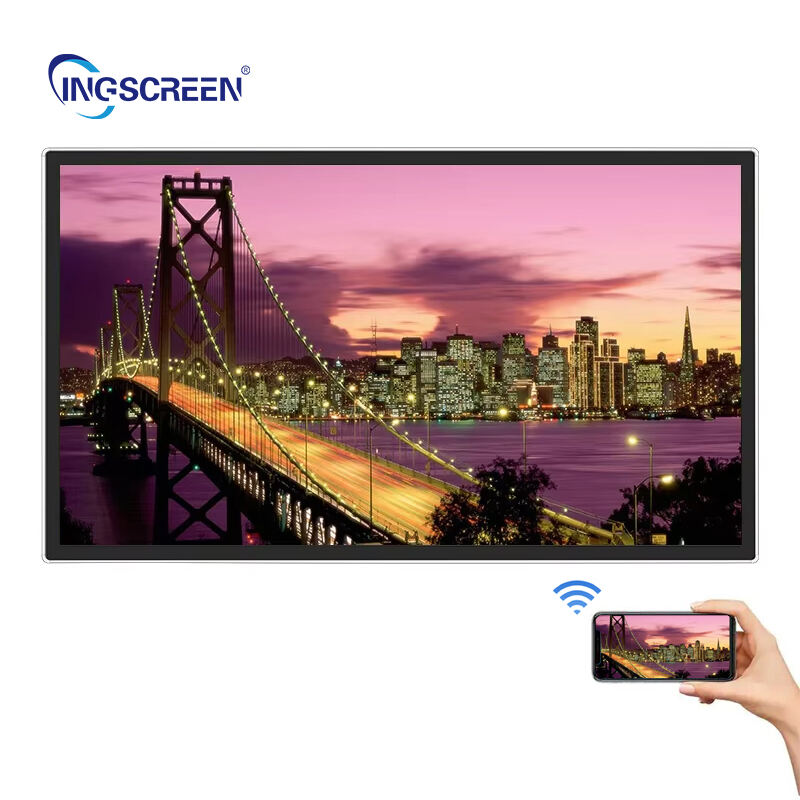
The modern educational landscape has fundamentally transformed how students engage with learning materials and interact with their peers. At the heart of this transformation lies the interactive whiteboard, a revolutionary tool that has redefined classroom dynamics and collaborative learning experiences. This digital innovation addresses the growing demand for more engaging, participatory, and effective educational methods that prepare students for an increasingly connected world.

Educational institutions worldwide have recognized the interactive whiteboard as a cornerstone technology for fostering collaborative learning environments. Unlike traditional teaching tools, this technology creates opportunities for multiple learners to simultaneously participate in lessons, share ideas, and work together on complex problems. The preference for interactive whiteboard solutions stems from their ability to bridge the gap between digital natives' expectations and educational delivery methods, making learning more intuitive and engaging for today's students.
Enhanced Student Engagement Through Multi-Sensory Learning
Visual Learning Amplification
The interactive whiteboard transforms static presentations into dynamic, visual experiences that capture student attention more effectively than traditional teaching methods. Visual learners, who comprise approximately 65% of the population, benefit significantly from the large-scale, high-resolution displays that interactive whiteboards provide. Teachers can incorporate videos, animations, interactive diagrams, and real-time demonstrations that make abstract concepts tangible and understandable.
Students can directly manipulate visual elements on the interactive whiteboard surface, creating immediate feedback loops that reinforce learning. This hands-on approach to visual content helps students retain information longer and develop deeper understanding of complex subjects. The ability to zoom, rotate, and modify visual materials in real-time allows educators to adapt their presentations to different learning paces and comprehension levels within the same classroom.
Tactile Interaction Benefits
The touch-responsive surface of an interactive whiteboard engages kinesthetic learners who learn best through physical interaction with educational materials. Students can write, draw, drag, and manipulate objects directly on the board surface, creating a tactile connection to the learning material that traditional whiteboards cannot provide. This physical engagement activates multiple neural pathways, leading to improved memory formation and concept retention.
Research demonstrates that students who physically interact with educational content through interactive whiteboard technology show increased focus and participation compared to passive learning environments. The tactile feedback provided by modern interactive whiteboard systems creates a more immersive learning experience that keeps students actively involved throughout the lesson. This engagement translates into better academic performance and increased enthusiasm for learning across various subject areas.
Auditory Learning Integration
Modern interactive whiteboard solutions seamlessly integrate audio capabilities that support auditory learners and create comprehensive multi-sensory experiences. Teachers can embed audio clips, music, narration, and sound effects directly into their presentations, creating rich learning environments that appeal to different learning preferences. The combination of visual, tactile, and auditory elements through interactive whiteboard technology addresses diverse learning styles within a single collaborative session.
The audio integration capabilities of interactive whiteboards enable language learning applications, pronunciation practice, and musical education in ways that traditional teaching tools cannot match. Students can listen to native speakers, practice pronunciation with immediate feedback, and engage with audio-visual content that reinforces language acquisition. This multi-modal approach through interactive whiteboard technology creates more inclusive learning environments that accommodate various learning preferences and abilities.
Real-Time Collaboration and Participation
Simultaneous Multi-User Interaction
The collaborative power of an interactive whiteboard lies in its ability to support multiple users simultaneously, breaking down the traditional one-to-many teaching model. Students can work together on the same digital surface, contributing ideas, solving problems, and creating content in real-time. This collaborative capability transforms the classroom into a shared workspace where every student can contribute meaningfully to the learning process.
Advanced interactive whiteboard systems support multiple touch points, allowing several students to interact with different areas of the display simultaneously. This feature enables group activities, peer-to-peer learning, and collaborative problem-solving exercises that would be impossible with traditional teaching tools. The ability to save and share collaborative work created on the interactive whiteboard extends learning beyond the classroom and provides students with tangible records of their group achievements.
Instant Feedback and Assessment
Interactive whiteboard technology enables immediate assessment and feedback mechanisms that enhance the collaborative learning experience. Teachers can create interactive quizzes, polls, and assessment activities that provide instant results and identify areas where students need additional support. This real-time feedback capability allows educators to adjust their teaching strategies dynamically and ensure that all students remain engaged and understand the material.
The data collection capabilities of modern interactive whiteboard systems provide valuable insights into student participation patterns and comprehension levels. Teachers can track which students are actively contributing to collaborative activities and identify those who may need additional encouragement or support. This data-driven approach to education helps create more personalized learning experiences while maintaining the collaborative benefits that make interactive whiteboards so effective.
Seamless Content Sharing and Distribution
The digital nature of interactive whiteboard content enables effortless sharing and distribution of collaborative work among students and educators. Lessons, activities, and student contributions can be saved, edited, and shared across multiple platforms, creating continuity between classroom sessions and homework assignments. This seamless content flow ensures that collaborative learning extends beyond the physical classroom boundaries.
Students can access interactive whiteboard content from their personal devices, enabling continued collaboration and study outside of class hours. This connectivity supports flipped classroom models and hybrid learning approaches that have become increasingly important in modern education. The ability to review and interact with collaborative whiteboard sessions helps reinforce learning and provides students with multiple opportunities to engage with the material at their own pace.
Technology Integration and Digital Literacy Development
Cross-Platform Compatibility
Modern interactive whiteboard systems excel in their ability to integrate with existing educational technology ecosystems, making them valuable additions to any collaborative learning environment. These systems support connections with tablets, laptops, smartphones, and other digital devices, allowing students to contribute content from their personal devices to the shared interactive whiteboard display. This compatibility ensures that schools can maximize their existing technology investments while enhancing collaborative capabilities.
The integration capabilities of interactive whiteboard technology extend to popular educational software platforms, learning management systems, and cloud-based applications. Teachers can seamlessly incorporate content from various digital sources, creating comprehensive collaborative learning experiences that leverage the best available educational resources. This technological flexibility makes the interactive whiteboard a central hub for digital learning activities and collaborative projects.
Digital Skills Development
Using interactive whiteboard technology in collaborative learning environments naturally develops essential digital literacy skills that students need for academic and professional success. Students learn to navigate digital interfaces, manipulate multimedia content, and collaborate using technology tools that mirror modern workplace environments. These skills transfer directly to other educational and professional contexts, making interactive whiteboard experience valuable beyond the immediate learning objectives.
The collaborative nature of interactive whiteboard activities teaches students important digital citizenship concepts, including respectful online interaction, content sharing ethics, and collaborative problem-solving using technology. These skills become increasingly important as students progress through their educational journey and enter technology-driven work environments. Regular use of interactive whiteboard technology helps students develop confidence and competence with digital tools that will serve them throughout their careers.
Future-Ready Learning Preparation
Interactive whiteboard technology prepares students for increasingly digital and collaborative future learning and work environments. The skills developed through regular use of interactive whiteboard systems include digital presentation abilities, collaborative problem-solving techniques, and comfort with technology-mediated communication. These competencies align with the demands of modern higher education and professional environments where digital collaboration is essential.
The adaptive nature of interactive whiteboard technology ensures that students develop flexibility in working with evolving digital tools and platforms. As educational technology continues to advance, students with interactive whiteboard experience demonstrate greater readiness to adopt new collaborative technologies and learning methods. This adaptability becomes a significant advantage as students progress through their educational and professional journeys.
Pedagogical Advantages and Learning Outcomes
Differentiated Instruction Support
Interactive whiteboard technology excels in supporting differentiated instruction approaches that address diverse learning needs within collaborative environments. Teachers can create multiple layers of content complexity on a single interactive whiteboard session, allowing advanced students to explore deeper concepts while providing additional support for students who need more foundational work. This flexibility enables truly inclusive collaborative learning experiences where all students can contribute meaningfully.
The customization capabilities of interactive whiteboard systems allow educators to adjust content presentation styles, interaction methods, and collaboration formats to match different learning preferences and abilities. Students with special needs can benefit from enlarged text, alternative input methods, and specialized collaborative tools that make interactive whiteboard activities accessible to all learners. This inclusivity strengthens the collaborative learning environment by ensuring every student can participate fully.
Improved Knowledge Retention
Research consistently demonstrates that students retain information more effectively when they engage with content through interactive whiteboard technology compared to traditional passive learning methods. The combination of visual, auditory, and kinesthetic elements in collaborative interactive whiteboard activities creates multiple memory pathways that enhance long-term retention. Students who regularly participate in interactive whiteboard collaborative sessions show measurable improvements in test scores and knowledge application abilities.
The interactive nature of whiteboard-based collaborative learning creates emotional connections to educational content that improve memory formation and recall. When students actively participate in creating and manipulating content on an interactive whiteboard, they develop personal ownership of the learning experience that translates into deeper understanding and better retention. This emotional engagement is particularly important in collaborative learning environments where peer interaction enhances the overall educational impact.
Enhanced Critical Thinking Development
Collaborative activities facilitated by interactive whiteboard technology promote higher-order thinking skills including analysis, synthesis, and evaluation. Students working together on interactive whiteboard projects must consider multiple perspectives, evaluate different approaches, and synthesize information from various sources. These collaborative problem-solving experiences develop critical thinking abilities that extend far beyond the immediate lesson content.
The visual and interactive nature of whiteboard-based collaborative learning helps students externalize their thinking processes, making reasoning patterns visible to both peers and teachers. This transparency enables more effective peer feedback, collaborative refinement of ideas, and development of metacognitive awareness. Students learn to think about their thinking while working collaboratively with interactive whiteboard technology, leading to improved problem-solving strategies and analytical abilities.
FAQ
What makes interactive whiteboards more effective than traditional whiteboards for collaborative learning?
Interactive whiteboards offer several key advantages over traditional whiteboards for collaborative learning, including multi-touch capability that allows multiple students to interact simultaneously, digital content integration from various sources, real-time saving and sharing of collaborative work, and multimedia support that engages different learning styles. The technology enables more dynamic, inclusive, and engaging collaborative experiences that traditional whiteboards cannot match.
How do interactive whiteboards support different learning styles in collaborative settings?
Interactive whiteboard technology addresses visual learners through high-resolution displays and dynamic visual content, kinesthetic learners through touch-responsive surfaces and physical interaction, and auditory learners through integrated audio capabilities. This multi-sensory approach ensures that collaborative learning activities appeal to diverse learning preferences, making group work more effective and inclusive for all students regardless of their primary learning style.
Can interactive whiteboards integrate with existing educational technology in schools?
Modern interactive whiteboard systems are designed with extensive compatibility features that integrate seamlessly with existing educational technology ecosystems. They support connections with tablets, laptops, learning management systems, educational software platforms, and cloud-based applications, allowing schools to enhance their collaborative learning capabilities without replacing their current technology investments.
What evidence supports the effectiveness of interactive whiteboards in improving learning outcomes?
Multiple research studies demonstrate that students using interactive whiteboard technology show improved test scores, better knowledge retention, increased classroom engagement, and enhanced critical thinking skills compared to traditional teaching methods. The collaborative nature of interactive whiteboard activities particularly benefits students' communication skills, teamwork abilities, and digital literacy development, preparing them for success in modern academic and professional environments.
Table of Contents
- Enhanced Student Engagement Through Multi-Sensory Learning
- Real-Time Collaboration and Participation
- Technology Integration and Digital Literacy Development
- Pedagogical Advantages and Learning Outcomes
-
FAQ
- What makes interactive whiteboards more effective than traditional whiteboards for collaborative learning?
- How do interactive whiteboards support different learning styles in collaborative settings?
- Can interactive whiteboards integrate with existing educational technology in schools?
- What evidence supports the effectiveness of interactive whiteboards in improving learning outcomes?

