
 EN
EN
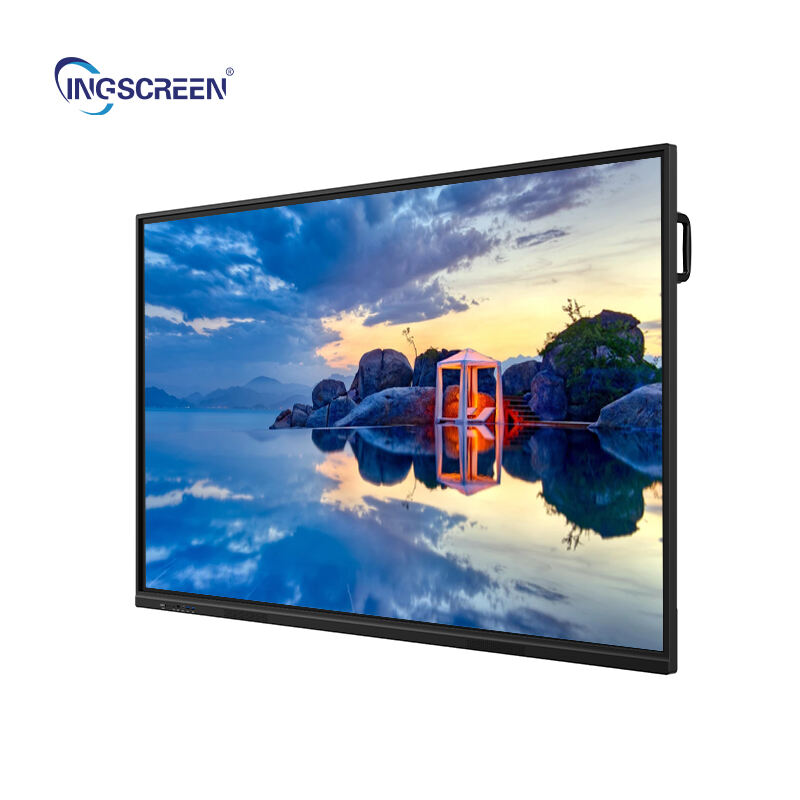
Modern education demands technology that transforms traditional teaching methods into dynamic, engaging experiences. The interactive flat panel has emerged as a cornerstone technology that addresses the fundamental challenges facing today's digital classrooms. As educational institutions worldwide shift toward more collaborative and technology-integrated learning environments, understanding why interactive flat panel solutions are essential becomes crucial for educators, administrators, and technology decision-makers.
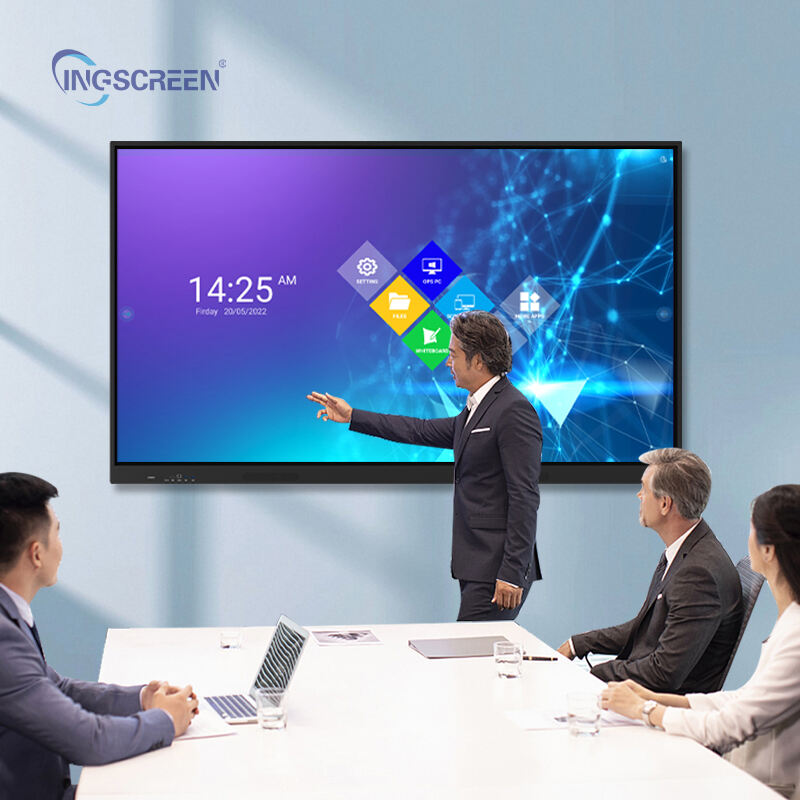
The necessity for interactive flat panel technology stems from multiple converging factors that define contemporary educational requirements. Student expectations for engaging, technology-rich learning experiences have grown significantly, while teachers need tools that facilitate both individual instruction and collaborative learning. Additionally, the push toward standardized testing, remote learning capabilities, and multimedia integration has made traditional whiteboards and projectors insufficient for meeting modern classroom demands.
Enhanced Student Engagement Through Interactive Technology
Multi-Touch Capabilities Transform Learning Dynamics
The interactive flat panel revolutionizes classroom engagement by supporting multiple simultaneous touch points, allowing several students to work collaboratively on the same surface. This multi-touch functionality enables group problem-solving activities where students can manipulate digital content directly, fostering hands-on learning experiences that were previously impossible with traditional teaching tools. Teachers can facilitate interactive lessons where students physically engage with mathematical equations, scientific diagrams, or historical timelines through touch-based manipulation.
Research consistently demonstrates that kinesthetic learning approaches, enabled by interactive flat panel technology, improve retention rates and comprehension across diverse learning styles. Students who struggle with traditional lecture-based instruction often excel when they can physically interact with lesson content. The tactile nature of the interactive flat panel bridges the gap between digital and physical learning environments, making abstract concepts more tangible and accessible to visual and kinesthetic learners.
Real-Time Feedback and Assessment Integration
Interactive flat panel systems provide immediate feedback mechanisms that transform assessment from a passive to an active process. Teachers can conduct real-time polls, quizzes, and collaborative exercises where student responses appear instantly on the screen, allowing for immediate course correction and understanding verification. This immediate feedback loop helps educators identify knowledge gaps during instruction rather than after formal assessments, enabling more effective teaching strategies.
The ability to save and review student interactions on the interactive flat panel creates valuable assessment data that teachers can analyze to understand individual learning patterns and class-wide comprehension trends. This data-driven approach to education helps teachers personalize instruction and identify students who may need additional support or advanced challenges, making the learning experience more responsive to individual needs.
Seamless Technology Integration for Modern Curriculum Delivery
Multimedia Content Presentation and Management
The interactive flat panel serves as a central hub for integrating diverse multimedia content, from educational videos and animations to interactive simulations and virtual field trips. Teachers can seamlessly transition between different content types without the technical interruptions common with traditional projection systems. This smooth content integration supports curriculum standards that increasingly emphasize multimedia literacy and digital citizenship skills.
Modern educational content is designed specifically for interactive flat panel displays, taking advantage of high-resolution screens and touch capabilities to deliver immersive learning experiences. Science teachers can manipulate 3D molecular models, history teachers can guide virtual museum tours, and language teachers can facilitate interactive conversation practice with native speakers through integrated communication tools.
Cloud Connectivity and Resource Access
Interactive flat panel technology provides direct access to cloud-based educational resources, eliminating the barriers that often prevent teachers from utilizing the vast array of digital learning materials available online. Teachers can instantly access updated curriculum materials, educational apps, and collaborative platforms without requiring separate devices or complex setup procedures. This connectivity ensures that classroom instruction remains current and relevant to rapidly evolving subject matter.
The cloud integration capabilities of interactive flat panel systems enable seamless lesson continuity between classroom instruction and remote learning scenarios. Students can access the same interactive content and tools from home that they use in the classroom, maintaining learning momentum regardless of location. This consistency has become particularly valuable as educational institutions prepare for flexible learning models that may require rapid transitions between in-person and remote instruction.
Collaborative Learning Environment Enhancement
Group Work and Peer-to-Peer Learning Facilitation
The interactive flat panel fundamentally changes how students work together by providing a shared digital workspace that accommodates multiple users simultaneously. Students can collaborate on projects, share ideas, and build upon each other's contributions in real-time, developing essential 21st-century collaboration skills. The large screen format ensures that all group members can participate equally, regardless of their physical position in the classroom.
Group activities facilitated by interactive flat panel technology often produce higher-quality outcomes compared to traditional group work because the digital environment provides tools for organization, revision, and presentation that paper-based methods cannot match. Students can easily reorganize ideas, incorporate multimedia elements, and create professional presentations that showcase their learning in sophisticated ways.
Cross-Classroom and Global Collaboration Opportunities
Interactive flat panel systems enable classroom connections that extend beyond physical boundaries, allowing students to collaborate with peers in other schools, cities, or countries. These global collaboration opportunities expose students to diverse perspectives and cultural contexts while developing digital communication skills essential for future academic and professional success. Teachers can facilitate joint projects, cultural exchanges, and expert guest presentations that would be impossible without interactive technology.
The ability to share screens and collaborate in real-time with remote participants transforms the classroom into a global learning environment. Students can participate in virtual science experiments with international research institutions, practice language skills with native speakers worldwide, or collaborate on environmental projects with students facing similar challenges in different geographical locations.
Teacher Productivity and Instructional Efficiency Improvements
Lesson Preparation and Content Creation Streamlining
Interactive flat panel technology significantly reduces lesson preparation time by providing integrated tools for content creation and modification. Teachers can develop interactive lessons using built-in software applications, eliminating the need to learn multiple programs or coordinate between different technology platforms. The ability to save and modify lessons for future use creates a growing library of interactive content that improves efficiency over time.
The annotation and markup capabilities of interactive flat panel displays allow teachers to personalize existing content quickly, adding notes, highlights, or explanations that address specific class needs without permanent modifications to original materials. This flexibility enables responsive teaching that adapts to student questions and interests while maintaining structured curriculum delivery.
Administrative Task Integration and Time Management
Modern interactive flat panel systems integrate with school management systems, allowing teachers to access attendance records, gradebooks, and communication tools directly from the classroom display. This integration reduces the time spent switching between different administrative platforms and enables more seamless transitions between instructional and administrative tasks. Teachers can quickly check student information, send parent communications, or update grades without interrupting the flow of instruction.
The centralized nature of interactive flat panel systems reduces the technical troubleshooting burden on teachers by consolidating multiple functions into a single, reliable platform. Rather than managing projectors, speakers, computers, and interactive whiteboards separately, teachers work with one integrated system that requires minimal setup and maintenance, allowing more time for actual instruction.
Future-Ready Learning Environment Preparation
Digital Literacy and Technology Skills Development
Interactive flat panel technology provides students with hands-on experience using professional-grade digital tools that mirror technologies they will encounter in higher education and future careers. Students develop proficiency with touch interfaces, collaborative software, and digital content creation tools through regular classroom use, building technological confidence and competence. This exposure ensures students are prepared for increasingly digital academic and professional environments.
The problem-solving skills students develop while navigating interactive flat panel interfaces translate to broader technological adaptation abilities. Students learn to troubleshoot, explore new features, and adapt to software updates, developing the flexible thinking skills essential for success in rapidly evolving technological landscapes.
Adaptability for Emerging Educational Trends
Interactive flat panel systems are designed to accommodate emerging educational methodologies and technologies through software updates and expandable capabilities. As virtual reality, artificial intelligence, and augmented reality become more prevalent in education, interactive flat panel displays can serve as control centers and display platforms for these advanced technologies. This adaptability protects educational technology investments while ensuring classrooms remain current with pedagogical innovations.
The modular nature of interactive flat panel software ecosystems allows schools to add new capabilities and content as educational needs evolve, without requiring complete hardware replacements. This scalability ensures that today's technology investments will continue providing value as educational requirements change and expand.
FAQ
What makes interactive flat panels different from traditional whiteboards or projectors?
Interactive flat panels combine the functionality of multiple classroom technologies into a single device, offering touch-responsive surfaces, built-in computing capabilities, and integrated connectivity options. Unlike traditional whiteboards, they support multimedia content display and manipulation, while providing better visibility and reliability compared to projector-based systems that can suffer from bulb failures and ambient light interference.
How do interactive flat panels support different learning styles in the classroom?
Interactive flat panels accommodate visual learners through high-quality display of graphics and videos, kinesthetic learners through touch-based interaction and manipulation, and auditory learners through integrated audio systems and interactive discussions. The multi-modal nature of interactive flat panel technology ensures that diverse learning preferences are addressed within the same lesson framework.
Can interactive flat panels work effectively in schools with limited technical support?
Modern interactive flat panels are designed with user-friendly interfaces and reliable hardware that minimizes technical support requirements. Many systems include remote diagnostic capabilities and automatic updates that reduce the burden on local IT staff. Additionally, the consolidation of multiple technologies into one device actually simplifies technical support compared to managing separate projectors, computers, and sound systems.
What long-term benefits do interactive flat panels provide for educational institutions?
Interactive flat panels offer long-term value through reduced maintenance costs compared to projector systems, improved student engagement and learning outcomes, enhanced teacher productivity, and future-ready technology infrastructure. The ability to update software and add new capabilities extends the useful life of the hardware investment while ensuring the classroom technology remains current with educational trends and requirements.
Table of Contents
- Enhanced Student Engagement Through Interactive Technology
- Seamless Technology Integration for Modern Curriculum Delivery
- Collaborative Learning Environment Enhancement
- Teacher Productivity and Instructional Efficiency Improvements
- Future-Ready Learning Environment Preparation
-
FAQ
- What makes interactive flat panels different from traditional whiteboards or projectors?
- How do interactive flat panels support different learning styles in the classroom?
- Can interactive flat panels work effectively in schools with limited technical support?
- What long-term benefits do interactive flat panels provide for educational institutions?

