 EN
EN
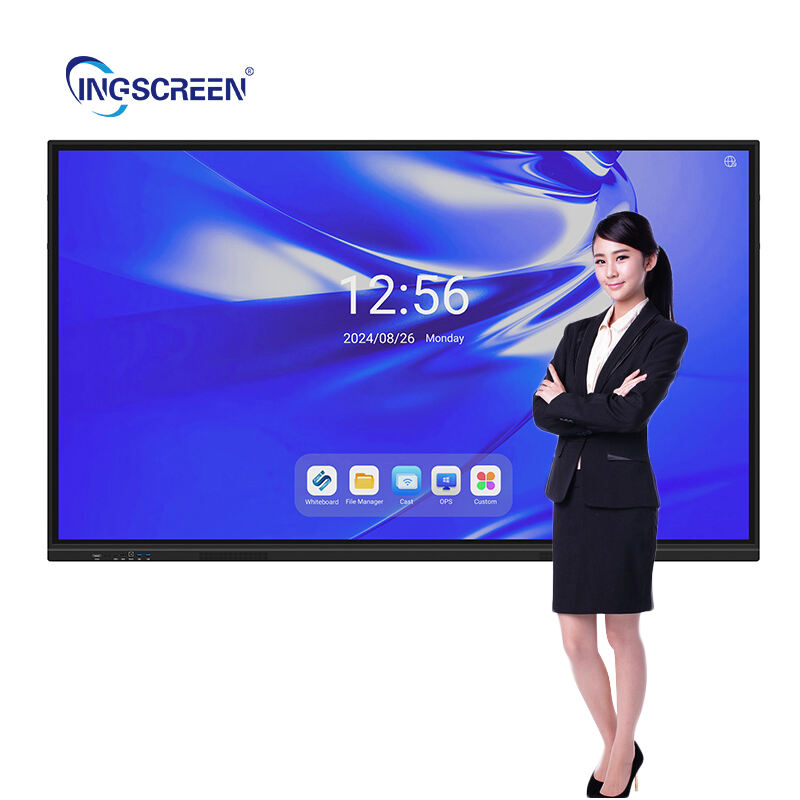
Modern classrooms are experiencing a technological revolution that transforms how students learn and teachers instruct. The traditional chalk-and-talk method is giving way to interactive, engaging educational experiences powered by advanced digital tools. Among these innovations, the smart board stands out as a cornerstone technology that bridges the gap between conventional teaching and contemporary learning needs. Educational institutions worldwide are discovering that smart board integration creates dynamic environments where collaboration flourishes and student engagement reaches unprecedented levels.
Enhanced Interactivity Through Touch-Based Learning
Multi-Touch Capabilities Transform Engagement
The revolutionary touch interface of a smart board enables multiple students to interact simultaneously with educational content. This multi-touch functionality allows collaborative problem-solving where several learners can manipulate objects, write equations, or highlight key concepts concurrently. Teachers observe increased participation rates when students can physically engage with lesson materials rather than passively consuming information. The tactile nature of smart board interaction appeals to kinesthetic learners who thrive through hands-on experiences.
Research demonstrates that touch-based learning environments improve retention rates by activating multiple sensory pathways simultaneously. When students can drag, rotate, and resize digital elements on the smart board surface, they develop stronger conceptual understanding through direct manipulation. This interactive approach transforms abstract concepts into tangible experiences that resonate with diverse learning styles and preferences.
Gesture Recognition and Intuitive Controls
Advanced smart board systems incorporate sophisticated gesture recognition technology that responds to natural hand movements and commands. Students can zoom, scroll, and navigate content using familiar gestures similar to smartphone interactions. This intuitive control system reduces the learning curve associated with new technology adoption while encouraging spontaneous participation from even the most reluctant learners.
The seamless integration between gesture controls and educational software creates fluid learning experiences where technology becomes invisible. Teachers report that smart board gesture functionality enables smoother lesson transitions and maintains student focus by eliminating technical barriers that traditionally interrupted instructional flow.
Multimedia Integration for Diverse Learning Styles
Visual Learning Enhancement
Visual learners comprise approximately sixty-five percent of the student population, making smart board visual capabilities particularly valuable for classroom success. High-resolution displays present crisp images, detailed diagrams, and vibrant multimedia content that captures attention and facilitates comprehension. Teachers can seamlessly integrate videos, animations, and interactive simulations that bring abstract concepts to life through compelling visual narratives.
The large format display of a smart board ensures that every student has clear visibility of presented materials, regardless of seating position. This democratic access to visual information promotes inclusive learning environments where all students can participate equally in classroom discussions and activities. Enhanced visual clarity particularly benefits students with mild vision impairments who might struggle with traditional projection systems.
Audio Integration and Multimedia Synchronization
Professional-grade audio systems integrated with smart board technology deliver crystal-clear sound reproduction that enhances multimedia presentations. Synchronized audio-visual content creates immersive learning experiences that engage multiple senses simultaneously. Language learning applications particularly benefit from high-quality audio output that enables proper pronunciation modeling and listening comprehension exercises.
The smart board platform supports various multimedia formats, ensuring compatibility with existing educational resources while enabling teachers to incorporate diverse content types. This flexibility allows educators to customize presentations according to specific learning objectives and student needs, creating personalized educational experiences that maximize engagement and retention.
Real-Time Collaboration and Connectivity
Wireless Device Integration
Modern smart board systems support seamless connectivity with student devices, enabling real-time collaboration and content sharing. Students can wirelessly project their work, share discoveries, and contribute to collective problem-solving activities directly from personal tablets, smartphones, or laptops. This connectivity transforms the smart board into a central hub for collaborative learning where individual contributions merge into comprehensive group understanding.
The wireless integration capability eliminates traditional barriers between student work and classroom presentation. Teachers can instantly display student solutions, compare different approaches, and facilitate peer-to-peer learning through immediate content sharing. This dynamic interaction model promotes active participation and encourages students to take ownership of their learning journey.
Cloud-Based Resource Access
Smart board connectivity extends beyond the physical classroom through cloud-based resource access and storage capabilities. Teachers can access vast libraries of educational content, interactive lessons, and assessment tools directly through the smart board interface. This connectivity ensures that classrooms have access to the most current educational resources and collaborative tools available.
Cloud integration enables seamless lesson continuity across multiple devices and locations. Students can continue working on projects started in class from home computers, while teachers can prepare lessons remotely and access them instantly in the classroom. This flexibility supports modern learning models that extend beyond traditional classroom boundaries.
Assessment and Progress Tracking Capabilities
Immediate Feedback Systems
Smart board technology enables real-time assessment and immediate feedback delivery that accelerates learning progress. Interactive quiz applications allow teachers to gauge student understanding instantly, while automated grading systems provide immediate results. This rapid feedback loop enables instructors to adjust teaching strategies on-the-fly, ensuring that learning objectives are met efficiently.
The immediate feedback capability of smart board systems helps identify knowledge gaps before they become significant obstacles. Students receive instant confirmation of correct responses while incorrect answers trigger targeted remediation activities. This responsive assessment approach prevents learning misconceptions from taking root and promotes continuous improvement throughout the learning process.
Data Analytics and Learning Insights
Advanced smart board platforms collect valuable learning analytics that provide insights into student engagement patterns, comprehension levels, and collaborative behaviors. Teachers can access detailed reports showing which activities generated the highest participation rates and which concepts required additional reinforcement. This data-driven approach enables evidence-based instructional decisions that optimize learning outcomes.
The analytics capabilities of smart board systems support personalized learning initiatives by identifying individual student strengths and areas for improvement. Teachers can use this information to create targeted interventions and differentiated instruction strategies that address specific learning needs effectively.
Professional Development and Teacher Support
Training Resources and Skill Development
Successful smart board implementation requires comprehensive professional development programs that equip teachers with necessary technical skills and pedagogical knowledge. Leading manufacturers provide extensive training resources, including online tutorials, hands-on workshops, and peer mentoring programs. These professional development opportunities ensure that educators can maximize smart board potential while maintaining confidence in their teaching abilities.
Ongoing support systems help teachers stay current with evolving smart board capabilities and educational applications. Regular training updates introduce new features, teaching strategies, and best practices that enhance classroom effectiveness. This continuous learning approach ensures that smart board investments continue delivering value as technology advances.
Community Resources and Best Practice Sharing
Smart board user communities provide valuable platforms for sharing innovative teaching strategies, lesson plans, and creative applications. Educators can access extensive libraries of pre-developed content while contributing their own successful implementations. This collaborative approach accelerates smart board adoption and promotes continuous improvement in educational practices.
Professional learning networks centered around smart board technology facilitate peer-to-peer knowledge transfer and collaborative problem-solving. Teachers can connect with colleagues worldwide to share experiences, troubleshoot challenges, and discover innovative applications that enhance student learning outcomes.
FAQ
How does smart board technology improve student participation compared to traditional teaching methods
Smart board technology significantly increases student participation through interactive features that engage multiple learning styles simultaneously. The touch-enabled interface allows students to physically manipulate content, while wireless connectivity enables seamless sharing of individual work with the entire class. Studies show that classrooms using smart board technology experience participation rates up to forty percent higher than traditional chalk-and-talk methods, as students become active contributors rather than passive observers.
What technical requirements are necessary for effective smart board implementation
Effective smart board implementation requires reliable high-speed internet connectivity, compatible classroom infrastructure, and adequate power supply systems. Most smart board installations need dedicated network bandwidth to support multimedia content and wireless device connectivity. Additionally, proper mounting systems, adequate lighting control, and acoustic considerations ensure optimal performance. Professional installation services typically assess these requirements and provide comprehensive setup recommendations.
How do smart board systems support different learning disabilities and accessibility needs
Smart board technology includes numerous accessibility features designed to support students with diverse learning needs. Large, high-contrast displays benefit students with visual impairments, while adjustable height mounting accommodates wheelchair users. Audio integration supports hearing-impaired students through amplification and caption capabilities. Touch sensitivity can be customized for students with motor difficulties, while interactive software often includes specialized tools for dyslexia, autism spectrum disorders, and other learning differences.
What is the typical return on investment timeline for smart board classroom integration
Educational institutions typically observe measurable returns on smart board investments within twelve to eighteen months through improved student engagement, reduced material costs, and enhanced teaching efficiency. Quantifiable benefits include decreased printing expenses, reduced reliance on consumable supplies, and improved standardized test scores. Long-term returns extend beyond financial metrics to include enhanced teacher retention, improved school reputation, and better preparation of students for technology-integrated future careers.
Table of Contents
- Enhanced Interactivity Through Touch-Based Learning
- Multimedia Integration for Diverse Learning Styles
- Real-Time Collaboration and Connectivity
- Assessment and Progress Tracking Capabilities
- Professional Development and Teacher Support
-
FAQ
- How does smart board technology improve student participation compared to traditional teaching methods
- What technical requirements are necessary for effective smart board implementation
- How do smart board systems support different learning disabilities and accessibility needs
- What is the typical return on investment timeline for smart board classroom integration

