 EN
EN
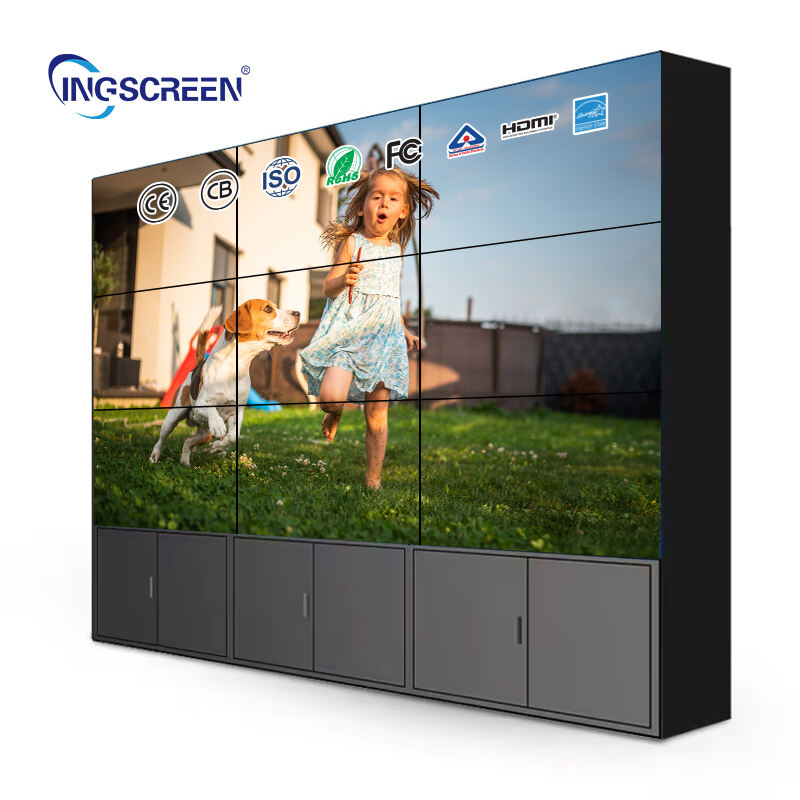
Modern advertising has undergone a revolutionary transformation with the emergence of digital display technology. Businesses across industries are rapidly shifting from traditional static signage to dynamic digital solutions that offer unprecedented flexibility and engagement opportunities. This technological evolution has fundamentally changed how brands communicate with their audiences, creating immersive experiences that capture attention and drive meaningful interactions.
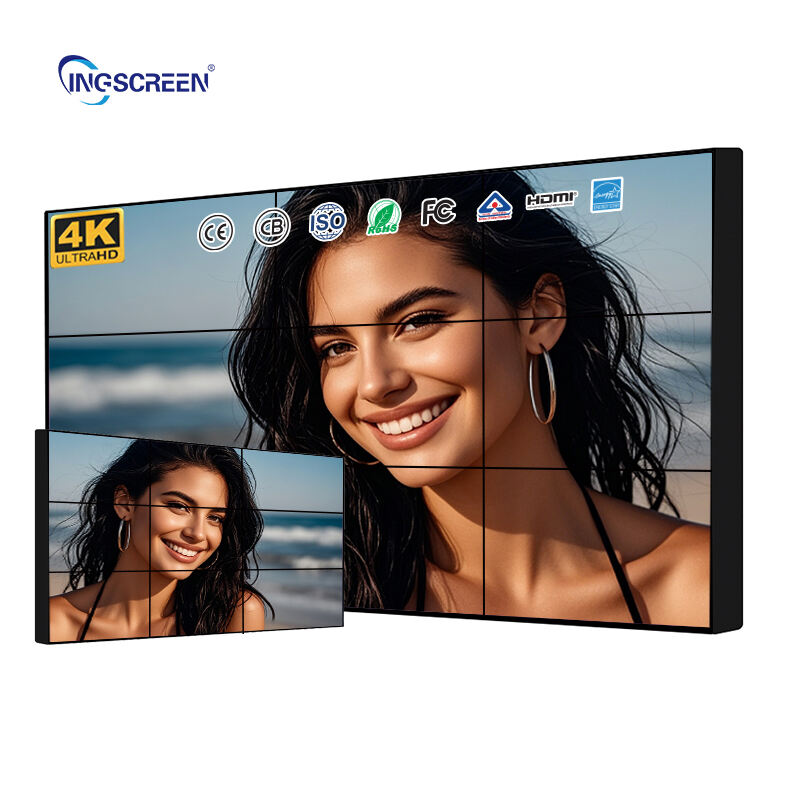
The adoption of digital display systems represents more than just a technological upgrade; it signifies a strategic shift toward data-driven marketing approaches. Companies investing in these solutions report significant improvements in customer engagement metrics, brand recall rates, and overall marketing effectiveness. The versatility of digital platforms enables real-time content updates, targeted messaging, and sophisticated analytics that traditional advertising methods simply cannot match.
As consumer behavior continues to evolve in our increasingly connected world, the demand for interactive and personalized advertising experiences has reached unprecedented levels. Digital display technology meets this demand by providing brands with powerful tools to create compelling visual narratives that resonate with diverse audiences across multiple touchpoints.
The Technology Behind Modern Digital Display Systems
Advanced Hardware Components and Performance
Contemporary digital display systems incorporate cutting-edge hardware components that deliver exceptional visual performance and reliability. High-resolution LED panels, advanced processors, and sophisticated cooling systems work together to ensure consistent operation in demanding commercial environments. These systems feature brightness levels optimized for various lighting conditions, color accuracy that maintains brand integrity, and durability specifications that support continuous operation.
The integration of smart sensors and connectivity options transforms these displays into intelligent advertising platforms. Motion detection capabilities enable interactive experiences, while ambient light sensors automatically adjust brightness for optimal viewing conditions. Network connectivity through Wi-Fi, Ethernet, and cellular options ensures seamless content management and real-time updates across distributed display networks.
Energy efficiency has become a critical consideration in digital display design, with manufacturers implementing power management systems that reduce operational costs while maintaining performance standards. These innovations include automatic brightness adjustment, scheduling capabilities, and standby modes that significantly decrease energy consumption during off-peak hours.
Software Integration and Content Management
Sophisticated content management systems form the backbone of effective digital display operations, enabling centralized control over multiple screens across various locations. These platforms provide intuitive interfaces for content creation, scheduling, and distribution, allowing marketing teams to maintain consistent messaging while adapting to local requirements and preferences.
Cloud-based solutions have revolutionized digital display management by eliminating the need for on-site servers and technical expertise. Remote monitoring capabilities allow administrators to track display performance, diagnose issues, and implement updates from anywhere in the world. Integration with existing marketing automation platforms streamlines workflow processes and ensures seamless coordination between digital signage campaigns and broader marketing initiatives.
Advanced analytics capabilities built into modern content management systems provide valuable insights into audience behavior, content performance, and engagement patterns. These data-driven insights enable continuous optimization of advertising strategies and support evidence-based decision-making for future campaign development.
Strategic Advantages in Contemporary Marketing
Enhanced Customer Engagement and Interaction
Digital display technology creates unprecedented opportunities for meaningful customer engagement through interactive features and personalized content delivery. Touch-screen capabilities transform passive viewers into active participants, enabling product exploration, information gathering, and direct purchasing actions. This interactive element significantly increases dwell time and creates memorable brand experiences that traditional advertising cannot achieve.
The ability to incorporate multimedia elements such as video, animation, and audio creates rich sensory experiences that capture attention and convey complex information effectively. Dynamic content capabilities allow brands to showcase product demonstrations, customer testimonials, and behind-the-scenes content that builds emotional connections with audiences.
Personalization features leverage customer data and behavioral insights to deliver targeted messages that resonate with specific audience segments. Location-based content, demographic targeting, and time-sensitive promotions ensure that advertising messages remain relevant and compelling throughout the customer journey.
Cost Effectiveness and Return on Investment
While the initial investment in digital display systems may exceed traditional signage costs, the long-term economic benefits provide substantial returns on investment. The elimination of printing costs, reduced labor requirements for content updates, and decreased waste generation contribute to significant operational savings over time.
Revenue generation opportunities through advertising partnerships and third-party content create additional income streams that offset equipment costs. Many businesses leverage their digital display networks to sell advertising space to complementary brands, creating mutually beneficial partnerships that enhance the overall customer experience.
The scalability of digital display networks allows businesses to expand their advertising reach without proportional increases in operational complexity or costs. Centralized content management enables efficient coordination of campaigns across multiple locations, maximizing marketing impact while minimizing administrative overhead.
Industry Applications and Implementation Strategies
Retail and Commercial Environments
Retail establishments have embraced digital display technology as a powerful tool for enhancing the shopping experience and driving sales performance. Interactive product catalogs, real-time inventory updates, and promotional content create dynamic environments that encourage exploration and purchase decisions. Strategic placement of displays at key decision points throughout the store guides customer flow and highlights featured products or services.
Queue management systems integrated with digital displays transform waiting periods into valuable marketing opportunities. Entertainment content, product information, and promotional offers keep customers engaged while reducing perceived wait times. This approach significantly improves customer satisfaction scores and creates additional touchpoints for brand messaging.
Omnichannel integration capabilities connect digital display content with mobile applications, loyalty programs, and e-commerce platforms, creating seamless customer experiences that bridge physical and digital interactions. QR code integration enables instant access to additional product information, reviews, and purchasing options.
Corporate and Professional Spaces
Corporate environments utilize digital display systems for internal communications, visitor management, and brand representation. Dynamic employee communications, event schedules, and company announcements ensure that important information reaches target audiences effectively. Reception areas benefit from branded content that reinforces company values and showcases achievements or capabilities.
Meeting rooms and conference facilities equipped with interactive displays enhance presentation capabilities and facilitate collaborative discussions. Integration with calendar systems and booking platforms streamlines room scheduling and provides real-time availability information for employees and visitors.
Wayfinding applications help visitors navigate complex facilities while providing opportunities for brand messaging and promotional content. Interactive directories and maps reduce staff workload while ensuring that guests can locate their destinations efficiently and independently.
Future Trends and Technological Evolution
Artificial Intelligence and Machine Learning Integration
Artificial intelligence technologies are transforming digital display capabilities by enabling predictive content optimization and automated decision-making processes. Machine learning algorithms analyze audience behavior patterns, environmental conditions, and performance metrics to automatically adjust content strategies for maximum effectiveness.
Facial recognition and demographic analysis capabilities allow displays to adapt content based on viewer characteristics while maintaining privacy compliance. These systems can identify age groups, gender distributions, and emotional responses to optimize messaging and improve engagement rates without collecting personally identifiable information.
Predictive maintenance features leverage AI algorithms to monitor system performance and identify potential issues before they impact operations. This proactive approach minimizes downtime, reduces maintenance costs, and ensures consistent display availability for critical advertising campaigns.
Emerging Display Technologies and Innovations
Next-generation display technologies promise even greater visual impact and installation flexibility. Transparent displays create stunning visual effects while maintaining visibility through the screen surface, opening new possibilities for window displays and architectural integration. Flexible display panels enable curved installations and creative form factors that traditional rigid screens cannot accommodate.
Augmented reality integration capabilities transform digital displays into gateways for immersive brand experiences. Customers can visualize products in their own environments, access additional information layers, and interact with virtual elements that enhance the physical shopping experience.
Sustainability initiatives drive the development of energy-efficient display technologies and environmentally responsible manufacturing processes. Solar-powered displays, recyclable components, and extended product lifecycles align digital signage investments with corporate social responsibility objectives.
FAQ
What factors should businesses consider when selecting digital display solutions
Businesses should evaluate several key factors including display resolution and size requirements, installation environment conditions, content management needs, and integration capabilities with existing systems. Budget considerations should encompass both initial equipment costs and ongoing operational expenses such as maintenance, content creation, and energy consumption. Technical requirements such as connectivity options, processing power, and storage capacity must align with intended applications and future expansion plans.
How do digital displays compare to traditional advertising methods in terms of effectiveness
Digital displays consistently outperform traditional static advertising in engagement metrics, recall rates, and conversion effectiveness. Studies indicate that digital signage captures attention 400% more effectively than static displays and increases brand awareness by up to 83%. The ability to update content in real-time, target specific audiences, and measure performance through analytics provides significant advantages over traditional print advertising methods.
What maintenance requirements are associated with digital display systems
Digital display systems require regular maintenance including software updates, content management, and periodic hardware inspections. Cleaning schedules should address screen surfaces and ventilation systems to ensure optimal performance and longevity. Professional maintenance services typically include remote monitoring, preventive care programs, and rapid response support for technical issues. Most commercial-grade displays are designed for minimal maintenance requirements with self-diagnostic capabilities that identify potential problems before they impact operations.
How can businesses measure the return on investment for digital display advertising
ROI measurement for digital display systems involves tracking multiple metrics including increased foot traffic, sales conversion rates, customer engagement duration, and brand awareness improvements. Advanced analytics platforms provide detailed reporting on content performance, audience demographics, and behavioral patterns. Cost savings from reduced printing expenses, eliminated installation labor, and decreased waste generation should be factored into ROI calculations alongside revenue increases and operational efficiency improvements.
Table of Contents
- The Technology Behind Modern Digital Display Systems
- Strategic Advantages in Contemporary Marketing
- Industry Applications and Implementation Strategies
- Future Trends and Technological Evolution
-
FAQ
- What factors should businesses consider when selecting digital display solutions
- How do digital displays compare to traditional advertising methods in terms of effectiveness
- What maintenance requirements are associated with digital display systems
- How can businesses measure the return on investment for digital display advertising

