
 EN
EN

The kiosk has become one of the most transformative tools in modern service delivery. From retail checkout counters to hospital lobbies and airport terminals, the kiosk consistently delivers faster, smarter, and more cost-effective service interactions. Businesses and public institutions increasingly rely on the kiosk because it solves real operational challenges while improving the experience for every user who steps up to the screen.
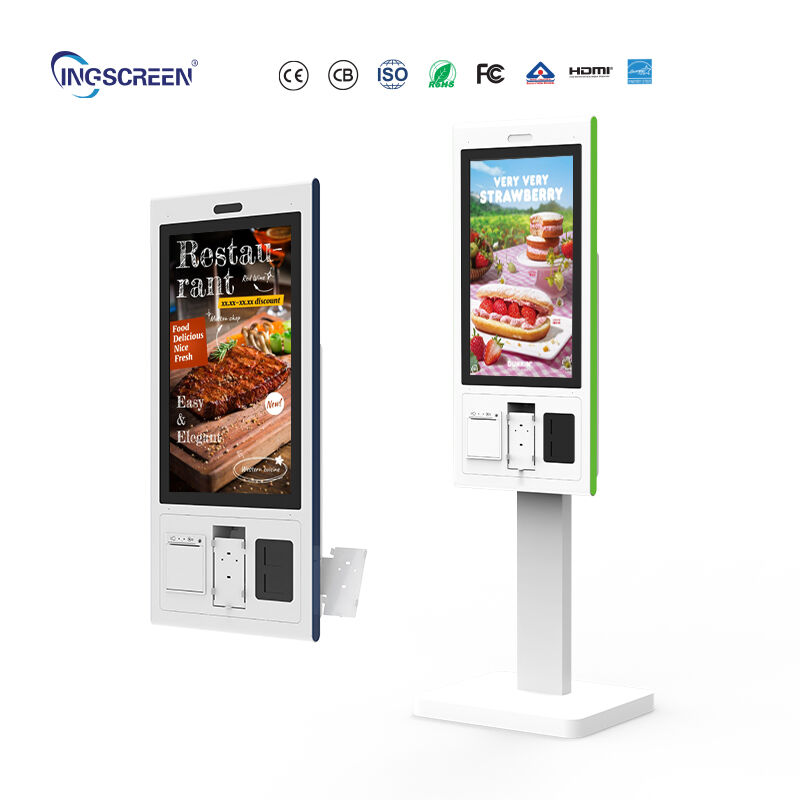
Understanding why the kiosk has achieved such widespread adoption requires looking closely at the concrete benefits it provides. A kiosk does not simply replace a human attendant. It creates an entirely new service layer that operates continuously, processes interactions efficiently, and generates valuable data for operators. Each deployment of a kiosk brings measurable advantages that make a strong case for self-service investment.
Operational Efficiency Driven by the Kiosk
Continuous Availability and Reduced Staffing Pressure
One of the most significant benefits of the kiosk is its ability to operate without breaks, shift changes, or downtime during peak hours. A kiosk is available around the clock, which means customers can complete transactions at any time without waiting for staff assistance. This continuous availability directly reduces the pressure on service teams, allowing businesses to reallocate human resources toward higher-value tasks that require personal judgment and empathy.
In environments where foot traffic is unpredictable, the kiosk provides a reliable buffer. A single kiosk can process multiple customer interactions per hour at a consistent pace. When demand surges, deploying additional kiosk units scales service capacity far more quickly and affordably than hiring and training new staff. This scalability makes the kiosk an attractive long-term operational investment for businesses of all sizes.
Faster Transaction Processing
Speed is a defining advantage of the kiosk format. A well-designed kiosk guides users through structured workflows that minimize decision fatigue and reduce errors. Customers using a kiosk typically complete their transactions more quickly than those waiting in line for a human agent, particularly during busy periods. This speed improvement benefits both the customer and the operator, as higher throughput translates directly into reduced queue lengths and improved satisfaction scores.
Customer Experience Improvements Through Kiosk Design
Personalized and Private Interactions
The kiosk offers a level of privacy that counter-based service cannot always match. When customers interact with a kiosk, they can review options, make selections, and complete sensitive transactions without feeling observed or rushed. This sense of privacy is particularly important in healthcare settings, financial service points, and ticketing environments where customers may be managing personal data or making complex decisions.
A kiosk can also be configured to deliver a personalized experience. By integrating with loyalty programs, membership databases, or previous transaction histories, the kiosk can greet returning users, suggest relevant products, and tailor the interface to individual preferences. This level of personalization strengthens customer engagement and increases the likelihood of repeat visits, making the kiosk a genuine relationship-building tool rather than just a transaction machine.
Multilingual and Accessible Service
Modern kiosk solutions support multiple languages, accessibility features for users with visual or physical impairments, and adjustable interface layouts. A single kiosk can serve a diverse user base without requiring specialized staff for each language or accessibility need. This inclusivity broadens the reach of service delivery and ensures that more customers can interact comfortably with the platform. Organizations deploying a kiosk in multicultural or high-traffic environments find that this flexibility significantly improves user satisfaction across all demographic groups.
Business Intelligence and Revenue Benefits of the Kiosk
Data Collection and Operational Insights
Every interaction with a kiosk generates data. Transaction patterns, peak usage times, popular service selections, and user drop-off points are all captured and can be analyzed to improve service design. Operators who leverage kiosk data gain a clearer picture of customer behavior than they would from traditional service counters alone. This data advantage allows businesses to optimize kiosk placement, refine menu structures, and identify bottlenecks before they affect the customer experience.
For retail and hospitality operators, kiosk analytics provide direct input into inventory planning, promotional strategy, and staffing decisions. A kiosk that tracks which products receive the most attention during checkout can inform purchasing decisions and help reduce waste. The intelligence generated by a kiosk network is a strategic asset that compounds in value over time as more data accumulates and patterns become clearer.
Upselling and Revenue Generation
The kiosk is a proven driver of incremental revenue. Research across quick-service restaurant chains and retail environments consistently shows that customers ordering or selecting products through a kiosk spend more on average than those served by human cashiers. The kiosk presents upsell suggestions at the exact moment of decision, without the social awkwardness that can accompany a human upsell attempt. Customers feel in control when using a kiosk, which makes them more receptive to upgrade prompts and add-on offers. This behavioral dynamic gives the kiosk a measurable impact on average transaction value.
FAQ
What types of businesses benefit most from deploying a kiosk?
Any business that handles repetitive, structured customer interactions can benefit from a kiosk. Retail stores, fast-food restaurants, hotels, healthcare facilities, transportation hubs, and government service centers all use the kiosk effectively. The higher the transaction volume and the more standardized the service flow, the greater the return on kiosk investment tends to be.
How does a kiosk improve customer satisfaction?
A kiosk improves customer satisfaction by reducing wait times, offering private and pressure-free interactions, providing multilingual support, and enabling faster transaction completion. Customers appreciate the control and clarity that a well-designed kiosk delivers. When a kiosk is intuitive and reliable, it builds trust and encourages repeat usage, which in turn strengthens overall brand perception.
Is a kiosk difficult to maintain and update?
Modern kiosk platforms are designed for straightforward maintenance and remote management. Software updates for a kiosk can typically be pushed remotely, and hardware components are built for durability in high-traffic environments. Operators managing a kiosk network can monitor device health, update content, and troubleshoot issues from a central dashboard, which minimizes the need for on-site technical visits and keeps operational costs low.

