
 EN
EN
In today's competitive business landscape, companies are constantly seeking innovative ways to capture customer attention and drive engagement. The rise of digital marketing has transformed how businesses communicate with their target audiences, and advertising screens have emerged as a powerful tool that bridges the gap between traditional and modern marketing approaches. These dynamic display solutions offer unprecedented flexibility, real-time content management, and measurable results that traditional static advertising simply cannot match. As consumer behavior continues to evolve toward digital-first interactions, businesses that invest in advertising screen technology position themselves at the forefront of customer engagement innovation.

Enhanced Customer Engagement Through Dynamic Visual Communication
Real-Time Content Updates and Flexibility
Modern advertising screen solutions provide businesses with the ability to update content instantaneously, allowing for dynamic responses to market conditions, seasonal promotions, and customer preferences. This real-time capability eliminates the costly and time-consuming process of printing and distributing new materials, while enabling businesses to test different messaging strategies and optimize content based on performance metrics. The flexibility extends beyond simple text and image updates, encompassing video content, interactive elements, and even integration with social media feeds that keep displays fresh and engaging.
The dynamic nature of digital advertising screens also allows businesses to schedule content automatically, ensuring that the right message reaches the right audience at the optimal time. For instance, restaurants can display breakfast menus in the morning, lunch specials during midday, and dinner offerings in the evening, all without manual intervention. This automated scheduling capability maximizes relevance while reducing operational overhead, making advertising screen technology an efficient solution for businesses of all sizes.
Interactive Features and Customer Participation
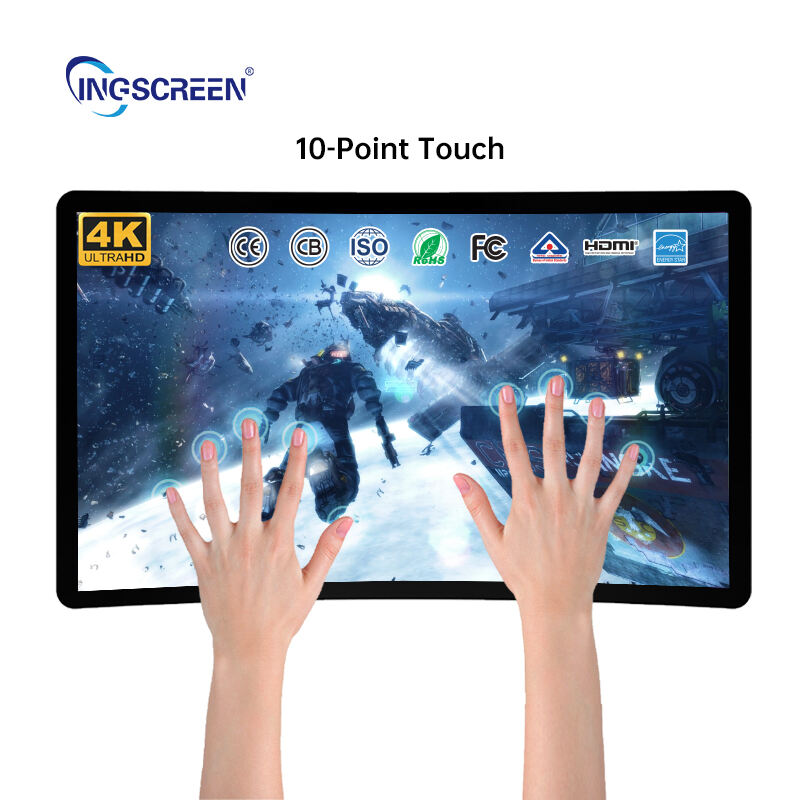
Contemporary advertising screens often incorporate touch-screen technology and interactive elements that transform passive viewers into active participants. These interactive features enable customers to explore product catalogs, access detailed information, navigate store layouts, or even make purchases directly from the display. Such engagement creates memorable experiences that foster stronger connections between brands and customers, ultimately driving higher conversion rates and customer loyalty.
The interactive capabilities of advertising screens also provide valuable data collection opportunities, allowing businesses to gather insights about customer preferences, browsing patterns, and engagement levels. This data becomes instrumental in refining marketing strategies, personalizing future interactions, and developing products or services that better meet customer needs. The combination of engagement and data collection makes interactive advertising screens a powerful tool for customer relationship management and business intelligence.
Cost-Effectiveness and Return on Investment
Reduced Operational Expenses Over Time
While the initial investment in advertising screen technology may seem substantial, the long-term cost benefits far outweigh the upfront expenses. Traditional advertising methods require ongoing costs for printing, distribution, installation, and replacement of materials, whereas digital displays eliminate these recurring expenses once installed. The durability of modern advertising screens, combined with their ability to display unlimited content variations, creates significant cost savings over time.
Energy efficiency has also improved dramatically in recent years, with LED-based advertising screens consuming minimal power while delivering bright, vibrant displays. This energy efficiency translates to lower operational costs and reduced environmental impact, aligning with corporate sustainability goals while maintaining budget-friendly operations. Additionally, the centralized management capabilities of digital signage networks allow businesses to control multiple displays from a single location, reducing labor costs associated with manual updates and maintenance.
Measurable Marketing Performance
Unlike traditional advertising mediums, advertising screens provide comprehensive analytics and performance metrics that enable businesses to measure the effectiveness of their marketing campaigns accurately. These analytics include viewer engagement rates, dwell times, interaction frequencies, and conversion tracking, providing concrete data on return on investment. This measurability allows businesses to optimize their advertising strategies continuously, allocating resources to the most effective content and placements.
The ability to conduct A/B testing on advertising screens further enhances their value proposition, enabling businesses to compare different messaging approaches, design elements, and call-to-action strategies in real-time. This testing capability accelerates the optimization process and helps businesses identify the most effective marketing approaches for their specific audiences and objectives. The data-driven insights generated by advertising screen analytics contribute to more informed decision-making across all marketing channels.
Brand Visibility and Market Positioning
Strategic Location Advantages
The placement flexibility of advertising screens allows businesses to position their messaging in high-traffic areas where traditional advertising might be impractical or impossible. Indoor floor-standing digital signage kiosks, for example, can be strategically positioned in shopping centers, airports, hotels, and corporate lobbies to maximize exposure to target demographics. This strategic positioning capability extends brand reach beyond traditional advertising boundaries while maintaining cost-effective operations.
The mobility of many advertising screen solutions enables businesses to adapt their marketing presence based on events, seasons, or changing foot traffic patterns. This adaptability ensures that marketing investments continue to deliver value even as business environments evolve. The ability to relocate displays also provides opportunities for businesses to test different locations and optimize placement strategies based on performance data.
Professional Brand Image Enhancement
High-quality advertising screens project a modern, technology-forward brand image that resonates with contemporary consumers who expect digital experiences in their daily interactions. The crisp resolution, vibrant colors, and dynamic content capabilities of modern displays create professional presentations that enhance brand perception and credibility. This enhanced brand image can be particularly valuable for businesses operating in competitive markets where differentiation is crucial.
The versatility of advertising screen content allows businesses to maintain consistent branding across all touchpoints while adapting messaging for specific contexts or audiences. This consistency reinforces brand recognition and helps establish stronger brand recall among target customers. The professional appearance of well-designed digital displays also creates positive first impressions that can influence customer decision-making and purchasing behavior.
Operational Efficiency and Customer Service Integration
Streamlined Information Distribution
Advertising screens serve as efficient information distribution channels that reduce the burden on staff members while ensuring consistent messaging delivery. By displaying frequently asked questions, product specifications, operating hours, and promotional details, these displays enable customers to access information independently, freeing staff to focus on higher-value customer service activities. This self-service capability improves operational efficiency while enhancing customer satisfaction through immediate information access.
The integration capabilities of modern advertising screens allow them to connect with existing business systems, displaying real-time inventory information, wait times, or service availability. This integration creates a seamless information flow that keeps customers informed while reducing operational complexity. The ability to display dynamic information also helps businesses manage customer expectations and reduce perceived wait times through engaging content.
Queue Management and Customer Flow Optimization
Strategic placement of advertising screens can significantly improve customer flow patterns and reduce perceived wait times in service environments. By displaying entertaining or informative content during wait periods, businesses can enhance the customer experience while simultaneously delivering marketing messages. This dual-purpose functionality maximizes the value of both the display investment and customer interaction time.
The ability to display queue numbers, estimated wait times, and service information helps customers make informed decisions about their time while reducing anxiety associated with uncertain delays. This transparency in communication contributes to higher customer satisfaction scores and reduces the likelihood of abandoned transactions or negative reviews. The improved customer experience facilitated by advertising screens can lead to increased customer retention and positive word-of-mouth marketing.
FAQ
How long do advertising screens typically last before requiring replacement
Most commercial-grade advertising screens are designed to operate continuously for 50,000 to 100,000 hours, which translates to approximately 5-10 years of typical business use. The actual lifespan depends on factors such as usage intensity, environmental conditions, and maintenance quality. LED-based displays generally offer longer lifespans and better durability compared to older LCD technologies, making them a preferred choice for businesses seeking long-term reliability and return on investment.
What maintenance requirements should businesses expect with advertising screen installations
Regular maintenance for advertising screens primarily involves cleaning the display surface, checking cable connections, and updating software systems. Most modern displays feature remote monitoring capabilities that alert administrators to potential issues before they become critical problems. Professional maintenance services are recommended for larger installations, but smaller single-screen deployments can often be maintained by in-house staff with basic technical training and manufacturer-provided guidelines.
Can advertising screens integrate with existing business management systems
Yes, contemporary advertising screens typically offer extensive integration capabilities through APIs, content management systems, and third-party software solutions. These integrations can connect displays with point-of-sale systems, inventory management platforms, customer relationship management tools, and social media feeds. The integration possibilities enable businesses to create dynamic, data-driven content that reflects real-time business operations and customer interactions.
What factors determine the optimal screen size and resolution for different business applications
Screen size and resolution selection depends on viewing distance, content type, ambient lighting conditions, and available installation space. For close-viewing applications like interactive kiosks, smaller screens with high resolution provide optimal clarity, while distant viewing scenarios benefit from larger displays with appropriate pixel density. Professional consultation during the planning phase helps businesses select specifications that maximize visibility and engagement while staying within budget constraints and technical requirements.
Table of Contents
- Enhanced Customer Engagement Through Dynamic Visual Communication
- Cost-Effectiveness and Return on Investment
- Brand Visibility and Market Positioning
- Operational Efficiency and Customer Service Integration
-
FAQ
- How long do advertising screens typically last before requiring replacement
- What maintenance requirements should businesses expect with advertising screen installations
- Can advertising screens integrate with existing business management systems
- What factors determine the optimal screen size and resolution for different business applications

