
 EN
EN
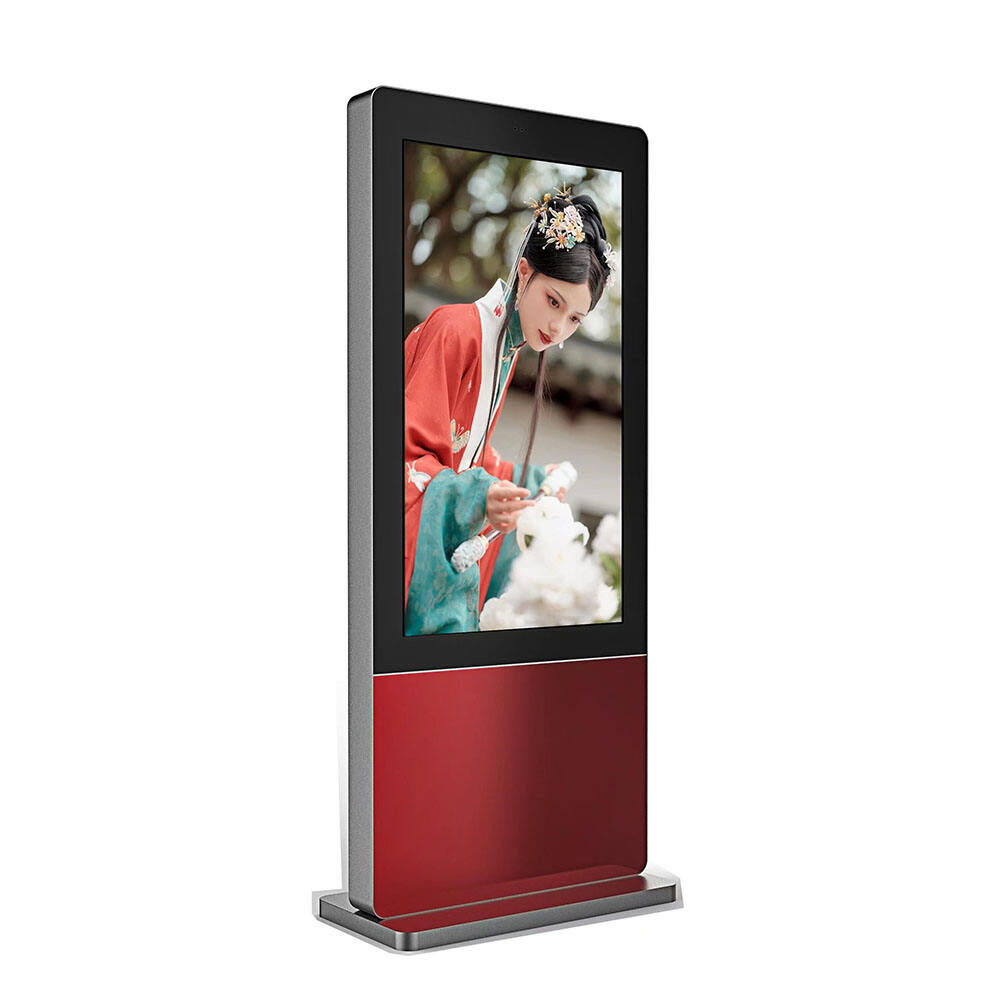
Modern businesses are increasingly turning to outdoor advertising screens to capture the attention of consumers in high-traffic areas. These dynamic digital displays offer unparalleled flexibility and visual impact compared to traditional static billboards. The effectiveness of any outdoor campaign depends heavily on selecting the right outdoor advertising screen that can withstand environmental challenges while delivering crisp, engaging content to target audiences.

The success of outdoor digital signage campaigns hinges on understanding the unique requirements of outdoor environments. Unlike indoor displays, outdoor advertising screens must contend with direct sunlight, temperature fluctuations, moisture, dust, and potential vandalism. These factors make the selection process more complex than simply choosing the largest or most colorful screen available.
Investment in the wrong outdoor advertising screen can lead to poor visibility, frequent maintenance issues, and ultimately campaign failure. This comprehensive guide will explore the critical factors that determine the effectiveness and longevity of outdoor digital displays, helping businesses make informed decisions that maximize their advertising return on investment.
Display Technology and Brightness Requirements
LED Technology Advantages for Outdoor Applications
Light-emitting diode technology has become the gold standard for outdoor advertising screens due to its superior brightness capabilities and energy efficiency. LED displays can achieve brightness levels of 5000 to 10000 nits, making them clearly visible even in direct sunlight. This high brightness output is essential for maintaining message legibility throughout daylight hours when foot traffic and vehicle traffic are typically at their peak.
The modular nature of LED technology also provides significant advantages for outdoor applications. Individual LED modules can be replaced without taking down the entire outdoor advertising screen, minimizing maintenance downtime and costs. Additionally, LED displays offer excellent color reproduction and contrast ratios, ensuring that advertising content appears vibrant and engaging from various viewing distances and angles.
Energy consumption is another crucial consideration for outdoor advertising screens. Modern LED displays consume significantly less power than older technologies while delivering superior performance. This efficiency translates to lower operating costs over the lifespan of the display, making LED outdoor advertising screens a cost-effective long-term investment for businesses of all sizes.
Brightness and Contrast Specifications
Determining the appropriate brightness level for an outdoor advertising screen requires careful consideration of the installation environment and viewing conditions. Locations with direct southern exposure or high ambient light levels may require displays with 8000 nits or higher brightness capability. Conversely, partially shaded locations or areas with limited direct sunlight exposure may function effectively with 5000 to 6000 nits brightness levels.
Contrast ratio specifications are equally important for ensuring message clarity and visual impact. High-quality outdoor advertising screens should achieve contrast ratios of at least 5000:1, allowing for clear differentiation between light and dark content elements. This specification becomes particularly critical when displaying text-heavy content or detailed graphics that require precise visual definition.
Automatic brightness adjustment capabilities represent a valuable feature for outdoor advertising screens. These sensors continuously monitor ambient light conditions and adjust display brightness accordingly, optimizing visibility while minimizing energy consumption. This technology ensures consistent performance throughout different times of day and weather conditions without manual intervention.
Environmental Protection and Durability Standards
IP Rating Requirements for Outdoor Installations
Ingress Protection ratings provide standardized measures of an outdoor advertising screen's resistance to dust and moisture penetration. For outdoor applications, displays should meet minimum IP65 rating standards, indicating complete dust protection and resistance to water jets from any direction. This level of protection ensures reliable operation in typical outdoor weather conditions including rain, snow, and windborne debris.
Premium outdoor advertising screen installations may require IP66 or higher ratings, particularly in coastal environments with high salt content or industrial areas with heavy particulate matter. The higher protection level provides enhanced sealing against more aggressive environmental conditions, extending the operational lifespan and reducing maintenance requirements.
Understanding IP rating specifications helps businesses avoid costly mistakes when selecting outdoor advertising screens. Insufficient environmental protection can lead to premature component failure, image quality degradation, and expensive repair or replacement costs. Proper IP rating selection based on specific installation environments ensures reliable long-term performance and protects the advertising investment.
Temperature and Weather Resistance
Outdoor advertising screens must operate reliably across wide temperature ranges, typically from -40°C to +85°C depending on the geographic location. Internal heating and cooling systems maintain optimal operating temperatures for sensitive electronic components while preventing condensation buildup that could damage circuits or degrade image quality.
Wind resistance specifications are particularly important for freestanding outdoor advertising screen installations. Displays must withstand sustained wind speeds and gusts without structural damage or mounting system failure. Professional installation teams calculate wind load requirements based on local weather patterns and building codes to ensure safe and stable mounting solutions.
UV protection coatings on outdoor advertising screens prevent color fading and component degradation caused by prolonged sun exposure. These specialized coatings maintain image quality and extend component lifespan, protecting the significant investment in digital display technology. Regular maintenance and inspection help identify any coating degradation before it affects display performance.
Content Management and Connectivity Options
Remote Content Management Systems
Modern outdoor advertising screens require sophisticated content management systems that enable remote scheduling, updating, and monitoring capabilities. Cloud-based platforms allow marketing teams to manage multiple display locations from centralized control centers, streamlining campaign deployment and reducing operational overhead. These systems typically offer drag-and-drop content creation tools, automated scheduling functions, and real-time performance monitoring.
Integration capabilities with existing marketing software and data sources represent crucial considerations for outdoor advertising screen selection. Advanced content management systems can incorporate live data feeds, weather information, social media content, and emergency messaging capabilities. This integration allows for dynamic content adaptation based on current conditions and audience demographics.
Security features within content management systems protect against unauthorized access and content tampering. Multi-level user permissions, encrypted data transmission, and audit trail capabilities ensure that only authorized personnel can modify display content. These security measures are essential for maintaining brand integrity and preventing potential legal issues related to unauthorized messaging.
Connectivity and Network Infrastructure
Reliable network connectivity forms the backbone of effective outdoor advertising screen operations. Wired ethernet connections provide the most stable and secure communication method, though fiber optic solutions may be necessary for long-distance installations or high-bandwidth content requirements. Wireless connectivity options including cellular, WiFi, and satellite communications offer flexibility for locations where wired connections are impractical.
Bandwidth requirements vary significantly based on content complexity and update frequency. Static image displays require minimal bandwidth, while high-definition video content or frequent content updates demand substantial data transmission capabilities. Planning network infrastructure requirements during the selection phase prevents connectivity bottlenecks that could compromise campaign effectiveness.
Redundant connectivity options provide insurance against network outages that could interrupt outdoor advertising screen operations. Backup communication methods ensure continuous display functionality even when primary network connections fail. This redundancy is particularly valuable for critical messaging applications or high-traffic advertising locations where downtime directly impacts revenue generation.
Installation Considerations and Mounting Solutions
Structural Requirements and Foundation Planning
Proper foundation design and structural support are fundamental to outdoor advertising screen longevity and safety. Engineering calculations must account for display weight, wind loading, seismic activity, and soil conditions to determine appropriate foundation specifications. Inadequate structural support can lead to display failure, safety hazards, and costly remediation work.
Building-mounted outdoor advertising screen installations require careful evaluation of existing structural capacity and attachment methods. Professional structural engineers assess building load-bearing capabilities and specify appropriate mounting hardware to ensure safe and secure installation. These evaluations help prevent building damage and ensure compliance with local building codes and safety regulations.
Accessibility considerations during the planning phase facilitate future maintenance and content updates for outdoor advertising screens. Service access panels, ladder attachments, and clearance requirements should be incorporated into installation designs. Proper accessibility planning reduces maintenance costs and minimizes service disruptions throughout the display's operational lifespan.
Power Supply and Electrical Infrastructure
Outdoor advertising screen power requirements vary significantly based on display size, brightness levels, and environmental control systems. Electrical infrastructure planning must accommodate peak power consumption during maximum brightness operation while providing adequate surge protection and backup power capabilities. Professional electrical contractors ensure installations comply with local electrical codes and safety standards.
Uninterruptible power supply systems provide critical protection for outdoor advertising screens during power outages and voltage fluctuations. These systems maintain display operation during brief outages while providing clean, stable power that protects sensitive electronic components. Backup power capabilities ensure continuous advertising message delivery during critical periods.
Energy efficiency considerations impact both environmental sustainability and operational costs for outdoor advertising screens. LED display technology, smart brightness controls, and efficient power management systems reduce electricity consumption while maintaining optimal performance. These efficiency measures contribute to lower total cost of ownership and improved environmental responsibility.
Size and Resolution Specifications
Viewing Distance and Display Size Calculations
Determining optimal outdoor advertising screen size requires careful analysis of typical viewing distances and audience positioning. The general rule suggests that minimum viewing distance should equal approximately 3.5 times the display height for comfortable content consumption. This calculation ensures that viewers can process advertising messages without visual strain while maintaining appropriate information density.
Maximum viewing distance calculations help determine the largest effective display size for specific locations. Text readability becomes the limiting factor for maximum viewing distances, with character height requirements increasing proportionally with distance. Professional outdoor advertising screen specifications should include detailed viewing distance analysis to optimize message delivery effectiveness.
Location-specific factors influence optimal display sizing beyond basic viewing distance calculations. Traffic speed, viewing angle limitations, surrounding visual clutter, and competitor displays all impact the effectiveness of different outdoor advertising screen sizes. Comprehensive site analysis ensures that selected displays can compete effectively for viewer attention in specific environments.
Pixel Pitch and Resolution Requirements
Pixel pitch specifications determine the resolution and image quality capabilities of outdoor advertising screens. Closer viewing distances require smaller pixel pitch measurements to maintain image clarity and prevent visible pixelation. Outdoor applications typically utilize pixel pitches ranging from 4mm to 16mm depending on viewing distance requirements and budget constraints.
Resolution specifications should align with intended content types and viewing scenarios for outdoor advertising screens. High-resolution displays support detailed graphics, fine text, and complex imagery but require higher bandwidth and processing power. Standard resolution displays may suffice for simple messaging and bold graphics while offering lower acquisition and operational costs.
Content scaling capabilities allow outdoor advertising screens to display various resolution formats without quality degradation. Advanced display controllers can optimize content presentation regardless of source resolution, ensuring consistent image quality across different media formats. This flexibility enables broader content creation options and simplifies campaign management processes.
Maintenance and Service Support
Preventive Maintenance Requirements
Regular preventive maintenance extends outdoor advertising screen lifespan and maintains optimal performance levels throughout their operational period. Scheduled cleaning, component inspection, and software updates help identify potential issues before they cause display failures or image quality degradation. Professional maintenance programs typically include quarterly inspections and annual comprehensive service visits.
Component replacement scheduling based on manufacturer specifications prevents unexpected failures that could interrupt advertising campaigns. LED modules, cooling fans, and power supplies have predictable lifespan characteristics that allow for proactive replacement planning. This approach minimizes downtime and ensures consistent outdoor advertising screen performance.
Environmental monitoring systems provide early warning of conditions that could affect outdoor advertising screen performance. Temperature sensors, humidity monitors, and vibration detectors can alert maintenance teams to potential problems before they cause component damage. These monitoring capabilities are particularly valuable for unmanned remote installations.
Technical Support and Warranty Coverage
Comprehensive technical support services are essential for maintaining outdoor advertising screen operations and resolving issues quickly when they arise. Manufacturer support should include 24/7 technical assistance, remote diagnostic capabilities, and rapid response service commitments. These support services minimize downtime and ensure continuous advertising message delivery.
Warranty coverage specifications vary significantly between outdoor advertising screen manufacturers and should be carefully evaluated during the selection process. Comprehensive warranties should cover component replacement, labor costs, and performance guarantees for specified periods. Extended warranty options may provide additional protection for high-value installations or critical advertising applications.
Local service network availability impacts response times and service quality for outdoor advertising screen maintenance. Manufacturers with established regional service networks can provide faster response times and more cost-effective maintenance services. This local presence is particularly valuable for businesses operating multiple outdoor advertising screen locations across wide geographic areas.
Budget Considerations and Total Cost of Ownership
Initial Investment and Financing Options
Outdoor advertising screen investments require comprehensive financial planning that extends beyond initial purchase prices. Total project costs include display hardware, installation services, electrical infrastructure, permitting fees, and content management systems. Accurate budgeting prevents cost overruns and ensures adequate funding for complete project implementation.
Financing options for outdoor advertising screen acquisitions include traditional equipment loans, leasing arrangements, and revenue-sharing partnerships. Each financing structure offers different advantages depending on business cash flow, tax considerations, and risk tolerance. Professional financial analysis helps businesses select optimal financing approaches for their specific circumstances.
Return on investment calculations should consider both direct advertising revenue and indirect business benefits from outdoor advertising screen installations. Increased brand awareness, customer traffic, and sales conversion rates contribute to overall project value beyond direct advertising income. These comprehensive ROI analyses provide more accurate justification for outdoor advertising screen investments.
Operational Costs and Energy Efficiency
Ongoing operational costs represent significant factors in outdoor advertising screen total cost of ownership calculations. Electricity consumption, maintenance services, content creation, and insurance expenses accumulate throughout the display's operational lifespan. Energy-efficient displays and smart control systems help minimize these operational expenses.
Utility rate structures and peak demand charges impact the true cost of operating outdoor advertising screens in different locations. Time-of-use pricing and demand response programs may offer opportunities to reduce electricity costs through intelligent power management. These utility considerations should be incorporated into operational cost projections.
Content creation and management costs vary based on campaign complexity and update frequency for outdoor advertising screens. Professional design services, animation development, and content management platform subscriptions contribute to ongoing operational expenses. Budgeting for quality content creation ensures effective message delivery that justifies the display investment.
FAQ
What brightness level is required for outdoor advertising screens in direct sunlight
Outdoor advertising screens operating in direct sunlight typically require brightness levels between 5000 to 10000 nits to maintain visibility and readability. The specific brightness requirement depends on the installation location's sun exposure, ambient light conditions, and viewing angles. Professional site surveys help determine optimal brightness specifications for specific environments, ensuring effective message delivery throughout daylight hours while balancing energy consumption and operational costs.
How do weather conditions affect outdoor advertising screen performance and longevity
Weather conditions significantly impact outdoor advertising screen performance through temperature extremes, moisture exposure, and UV radiation effects. Quality outdoor displays incorporate environmental protection features including IP65 or higher ratings, temperature control systems, and UV-resistant coatings. Proper environmental protection extends component lifespan and maintains image quality, while inadequate protection can lead to premature failures and costly repairs. Regular maintenance and weatherproofing inspections help ensure reliable operation across all weather conditions.
What connectivity options work best for remote outdoor advertising screen management
Effective remote management of outdoor advertising screens requires reliable connectivity options including wired ethernet, cellular networks, or fiber optic connections depending on location and bandwidth requirements. Wired connections provide the most stable performance, while cellular networks offer flexibility for remote locations. Redundant connectivity options prevent service interruptions, and cloud-based content management systems enable centralized control of multiple display locations. The optimal connectivity solution depends on content complexity, update frequency, and local infrastructure availability.
How should businesses calculate the appropriate size for their outdoor advertising screen installation
Calculating appropriate outdoor advertising screen size requires analyzing viewing distances, traffic patterns, and content requirements for the specific installation location. The minimum viewing distance should equal approximately 3.5 times the display height, while maximum effective viewing distance depends on content type and pixel pitch specifications. Site-specific factors including traffic speed, viewing angles, and competitor displays also influence optimal sizing decisions. Professional site analysis ensures selected display dimensions maximize advertising effectiveness and audience engagement within budget constraints.
Table of Contents
- Display Technology and Brightness Requirements
- Environmental Protection and Durability Standards
- Content Management and Connectivity Options
- Installation Considerations and Mounting Solutions
- Size and Resolution Specifications
- Maintenance and Service Support
- Budget Considerations and Total Cost of Ownership
-
FAQ
- What brightness level is required for outdoor advertising screens in direct sunlight
- How do weather conditions affect outdoor advertising screen performance and longevity
- What connectivity options work best for remote outdoor advertising screen management
- How should businesses calculate the appropriate size for their outdoor advertising screen installation

