
 EN
EN
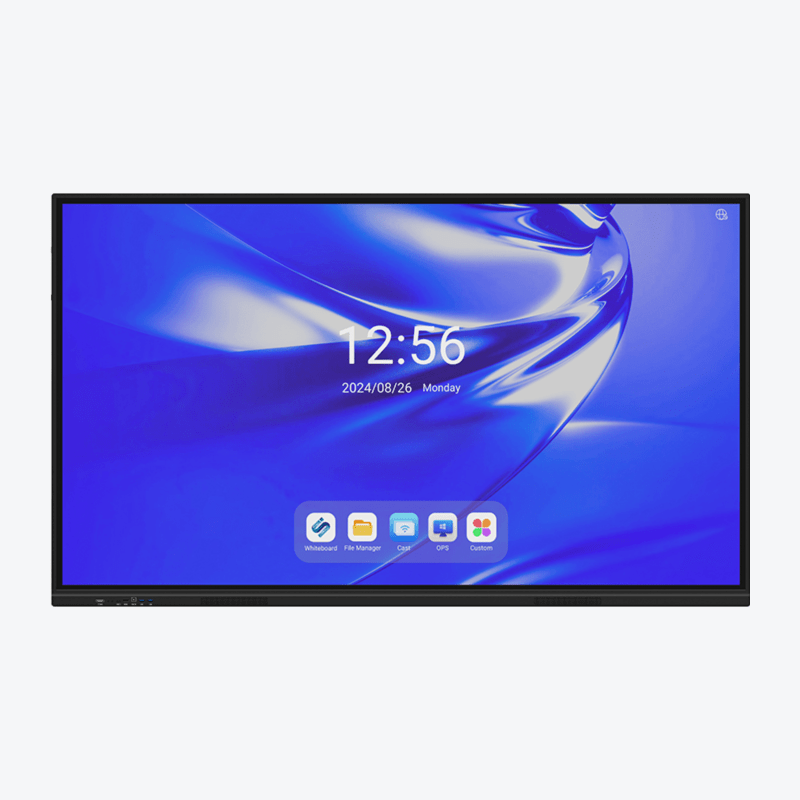
In today's competitive retail landscape, businesses constantly seek innovative ways to enhance customer satisfaction and loyalty. A well-designed kiosk improves customer experience by offering self-service capabilities, reducing checkout wait times, and enabling personalized interactions that modern shoppers expect. Retailers who implement kiosk technology report significant improvements in customer engagement, operational efficiency, and overall satisfaction metrics. Understanding how kiosk improves customer experience is essential for retail managers looking to stay ahead of consumer demands and market trends.

The retail environment has evolved dramatically, with customers demanding faster service, more control over their shopping journey, and access to product information on demand. A kiosk improves customer experience by empowering shoppers to browse inventory, check prices, locate items, and complete transactions independently. This shift from traditional counter-based service to interactive, customer-driven engagement transforms the entire retail experience. When retailers understand how kiosk improves customer experience, they unlock new opportunities for customer retention, increased transaction value, and enhanced brand reputation.
Streamlining Customer Operations with Self-Service Kiosk Solutions
Reducing Wait Times and Checkout Friction
One of the most immediate benefits customers experience is faster service. A kiosk improves customer experience by eliminating long checkout queues and allowing simultaneous transactions across multiple stations. When shoppers can scan items, make payments, and complete purchases without waiting for staff assistance, satisfaction levels rise dramatically. kiosk improves customer experience through streamlined workflows that reduce friction points throughout the retail environment. Retailers implementing multiple kiosks report a 40 to 50 percent reduction in average checkout times, directly impacting customer perception of service quality.
Enabling Independent Shopping Control
Modern shoppers value autonomy and control over their shopping experience. A kiosk improves customer experience by giving customers the power to access detailed product information, compare prices, check stock availability, and make informed purchasing decisions without staff intervention. This self-directed approach resonates particularly well with younger demographics and tech-savvy consumers who prefer digital interaction over traditional service models. A kiosk improves customer experience by respecting customer time and preferences, creating a more dignified and efficient shopping journey. The ability to browse product details, read reviews, and research options independently builds confidence in purchase decisions.
Personalizing Retail Interactions Through Technology
Customized Product Recommendations and Loyalty Integration
Beyond basic transactions, modern retail kiosks deliver personalized experiences that strengthen customer relationships. A kiosk improves customer experience by integrating with loyalty programs, remembering customer preferences, and offering tailored product recommendations based on purchase history and browsing behavior. When customers feel recognized and understood, they develop stronger emotional connections to the brand. A kiosk improves customer experience by capturing valuable behavioral data that enables increasingly relevant future interactions. Personalized experiences increase average transaction value by 15 to 25 percent, as customers discover relevant products they might not have found through traditional browsing.
Real-Time Information Access and Dynamic Pricing
Retailers can deploy dynamic pricing strategies and real-time inventory information through kiosk technology. A kiosk improves customer experience by providing current pricing, instant availability confirmation, and information about ongoing promotions or discounts. Customers no longer encounter the frustration of discovering items are out of stock after deciding to purchase, or finding better prices elsewhere due to information delays. A kiosk improves customer experience by building trust through transparent, accurate, and up-to-date product and pricing information. This transparency reduces return rates, minimizes customer complaints, and strengthens the perception of fair pricing practices.
Building Customer Loyalty and Business Value
Creating Memorable Engagement Touchpoints
Every interaction between a business and customer shapes brand perception and loyalty. A kiosk improves customer experience by creating engaging, efficient touchpoints that customers remember positively. Interactive experiences, visual product displays, and frictionless transactions leave lasting impressions that drive repeat visits and referrals. A kiosk improves customer experience by modernizing the retail environment and signaling to customers that the business invests in their convenience and satisfaction. Retailers report a 20 to 30 percent increase in repeat customer rates after implementing well-designed kiosk systems that deliver consistently positive experiences.
Data-Driven Insights for Continuous Improvement
A kiosk improves customer experience not just through direct interaction, but by providing retailers with detailed usage analytics and customer behavior insights. Retailers can analyze which products attract the most interest, at what times kiosks experience peak usage, and where customers encounter friction. A kiosk improves customer experience by enabling data-informed decisions about layout optimization, product placement, promotional strategies, and staffing levels. These insights create a continuous improvement cycle where retailers refine their operations based on actual customer behavior patterns. Understanding how customers navigate and interact with kiosks reveals opportunities for enhanced design, better product positioning, and more effective marketing approaches.
FAQ
What specific features should retail managers prioritize when selecting a kiosk system?
Retail managers should prioritize user-friendly interfaces, integration with existing inventory and payment systems, reliable hardware that handles high-traffic environments, and analytics capabilities. A kiosk improves customer experience most effectively when it balances intuitive design with powerful backend functionality. Multi-language support, accessibility features for diverse customer populations, and quick response times are equally important. Look for systems offering 24/7 technical support and regular software updates to ensure consistent performance and feature improvements over time.
How does a kiosk improve customer experience compared to mobile apps?
While mobile apps offer convenience for customers who already have them installed, a kiosk improves customer experience by being universally accessible without requiring app downloads or customer device compatibility. Kiosks serve all customers equally, including those unfamiliar with technology or those without smartphones. A kiosk improves customer experience by providing a standardized, curated experience that retailers fully control. In-store kiosks also capture customers at the moment of purchase intent, when they are most receptive to product information and promotional offers, providing immediate engagement opportunities that mobile apps cannot replicate.
What return on investment timeline should retailers expect from kiosk implementation?
Most retailers experience measurable returns within 12 to 18 months of implementing a kiosk improves customer experience strategy. Benefits include reduced labor costs from streamlined checkout, increased transaction value from personalized recommendations, and improved inventory management accuracy. A kiosk improves customer experience while simultaneously delivering operational efficiencies that directly impact profitability. Specific timelines vary based on store traffic volume, implementation scale, and how effectively retailers integrate kiosks into their broader customer experience strategy, but the combination of enhanced customer satisfaction and cost reduction creates compelling financial justification for the investment.

