
 EN
EN
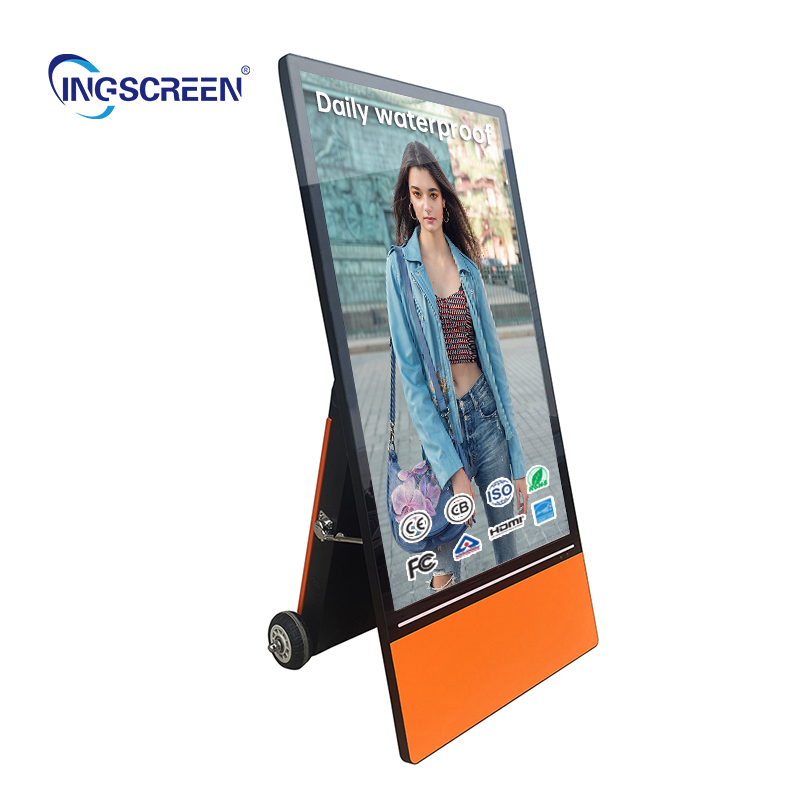
Selecting the right advertising display is one of the most critical decisions a brand faces when planning a successful campaign. The choice directly impacts visibility, engagement rates, customer perception, and return on investment. Without a clear understanding of your campaign goals, target audience location, and technical requirements, brands risk deploying the wrong advertising display solution, wasting budget and missing market opportunities. This guide walks you through the essential factors for choosing an advertising display that aligns with your brand objectives and audience needs.
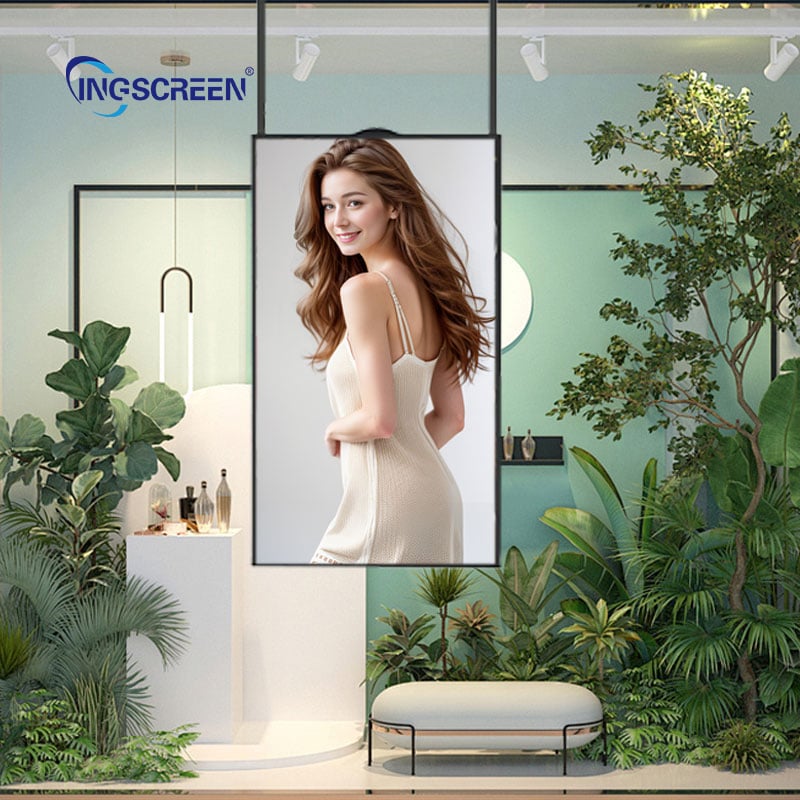
The process of choosing an advertising display involves evaluating multiple dimensions: technology type, brightness and visibility specifications, installation environment, content management capabilities, and total cost of ownership. Brands operating in high-traffic retail environments face different requirements than those targeting office buildings, transit hubs, or outdoor venues. Understanding these distinctions ensures that your advertising display investment delivers measurable brand impact and sustains long-term operational efficiency.
Understanding Your Campaign Goals and Audience Location
Define Campaign Objectives and Metrics
Before selecting an advertising display, clarify what success looks like for your campaign. Are you driving foot traffic into a retail location? Building brand awareness in a crowded public space? Promoting a limited-time offer to passersby? Each goal requires a different advertising display strategy. A high-traffic shopping mall demands a display that captures attention in seconds, while an office building lobby display might prioritize message retention over immediate impulse response. When you choose an advertising display based on clear metrics—whether that is conversion rate, impression count, or engagement duration—you create accountability and can measure whether the advertising display delivers expected results.
Assess Environmental and Location Factors
The physical location of your advertising display fundamentally shapes technology selection. Outdoor environments expose displays to direct sunlight, temperature fluctuations, moisture, and dust, requiring robust weatherproofing and high brightness specifications. Indoor retail spaces may allow standard brightness levels but demand aesthetic appeal and integration with store design. When you choose an advertising display for a sunny storefront window, brightness becomes paramount—displays with insufficient brightness will appear washed out and fail to capture attention. Conversely, an advertising display in a dimly lit corridor needs moderate brightness to avoid glare and eye strain. Location also determines whether your advertising display will operate 24/7 or follow seasonal schedules, which influences power consumption, cooling requirements, and maintenance protocols.
Technical Specifications and Display Technology Selection
Brightness, Resolution, and Visual Performance Standards
Brightness is measured in nits and directly correlates with visibility in challenging lighting conditions. When choosing an advertising display for outdoor or high-ambient-light environments, displays rated between 1500 and 3000 nits ensure visibility even in direct sunlight. Indoor advertising displays typically perform adequately at 400 to 800 nits. Resolution selection depends on viewing distance and message complexity. A retail window advertising display viewed from sidewalk distance (10–20 feet) requires sufficient resolution to render product images and text clearly, typically 1920x1080 pixels minimum. Closer interaction points may demand 4K resolution for premium brand perception. When you select an advertising display, balance these specifications against power consumption and cost, as higher brightness and resolution increase operational expenses.
Display Technology: LED, LCD, and Hybrid Options
LED displays dominate outdoor advertising applications because they deliver exceptional brightness, weather resistance, and longevity. An outdoor advertising display built on LED technology withstands temperature extremes, humidity, and UV exposure better than liquid crystal alternatives. LCD technology remains popular for indoor advertising displays due to superior color accuracy, lower power consumption, and cost efficiency. When choosing an advertising display for a retail environment with controlled climate conditions, LCD often provides better value than LED. Some brands choose hybrid solutions, combining LED for primary messaging and LCD panels for detailed promotional content. The advertising display technology you select should align with your venue's environmental conditions, power availability, and image quality expectations. Consider that LED displays may require more frequent maintenance to preserve color uniformity over time, while LCD displays benefit from predictable performance across their operational lifespan.
Content Management, Integration, and Long-Term Deployment Strategy
Connectivity and Remote Content Management Capabilities
Modern advertising display solutions must integrate with your brand's content management ecosystem. A centralized advertising display platform enables your marketing team to update messaging across multiple locations simultaneously, test creative variations, and respond to real-time market conditions. When you choose an advertising display without robust content management software, your team faces manual content updates, scheduling conflicts, and inability to synchronize campaigns across venues. Cloud-based advertising display management systems allow brands to push new creative in minutes, schedule seasonal campaigns weeks in advance, and gather performance analytics from each installed display. API integration capabilities enable connection to your existing marketing automation tools, point-of-sale systems, and customer data platforms. Prioritize advertising display solutions that support multiple content formats—video, static images, dynamic HTML, and live data feeds—to maximize creative flexibility.
Installation, Maintenance, and Total Cost Ownership
Installation complexity directly impacts project timelines and budgets. When you choose an advertising display requiring extensive structural reinforcement, electrical work, or network infrastructure, deployment costs escalate significantly. Evaluate whether your chosen advertising display fits into existing power and network infrastructure or demands expensive upgrades. Maintenance requirements vary substantially by technology. LED advertising displays may need periodic color calibration and sensor cleaning, while LCD displays typically require less hands-on intervention. Request maintenance schedules and costs from your advertising display provider before committing. Consider the total cost of ownership across five to seven years—including hardware, software licenses, maintenance contracts, and replacement parts—rather than only the upfront purchase price. Some brands prefer advertising display solutions with extended warranties and vendor-managed maintenance programs, trading higher per-unit costs for operational predictability.
FAQ
What makes an advertising display suitable for outdoor use?
An outdoor advertising display must combine high brightness (2000+ nits), durable enclosure design with weatherproof sealing, temperature regulation systems for extreme conditions, and materials resistant to UV degradation and corrosion. LED technology typically outperforms LCD for outdoor advertising displays due to superior brightness capability and environmental tolerance. Additionally, outdoor advertising display installations require electrical grounding, surge protection, and mounting hardware rated for wind load and structural stress in your geographic region.
How do I determine the right resolution for my advertising display?
Resolution requirements depend on typical viewing distance and content complexity. For an advertising display viewed beyond fifteen feet, 1920x1080 resolution suffices for text and standard product imagery. For closer viewing distances or detailed graphics, 4K (3840x2160) advertising display resolution enhances perceived quality. Evaluate your typical content—simple text and logos need less resolution than photographic product showcases. Your advertising display provider can recommend resolution standards based on venue specifications and audience interaction patterns.
Can I manage multiple advertising displays from a single control system?
Yes, modern centralized content management platforms allow you to control dozens or hundreds of advertising displays from one dashboard. A scalable advertising display solution supports remote scheduling, real-time updates, and analytics reporting across your entire network. This unified approach simplifies campaign coordination, reduces manual labor, enables A/B testing across locations, and provides valuable performance data to optimize your advertising display strategy over time.

