 EN
EN
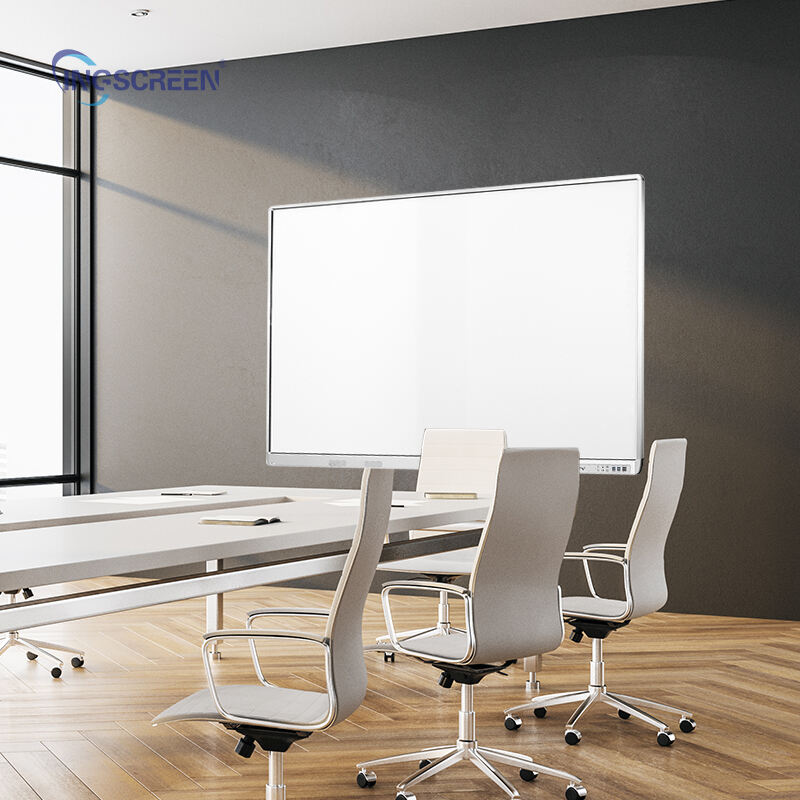
Modern companies face mounting pressure to maximize productivity while reducing time spent in unproductive meetings. Traditional presentation methods using static whiteboards and basic projectors often lead to disjointed discussions, technical delays, and limited participant engagement. Smart board technology emerges as a transformative solution that fundamentally changes how organizations conduct meetings by integrating digital collaboration tools, real-time content sharing, and interactive presentation capabilities into a single unified platform.
The implementation of smart board systems addresses critical efficiency bottlenecks that plague contemporary business meetings. These intelligent display solutions enable seamless content manipulation, instant document sharing, and collaborative annotation capabilities that transform passive attendees into active participants. Companies utilizing smart board technology report significant improvements in meeting duration, decision-making speed, and overall participant satisfaction while reducing the need for follow-up sessions and clarification meetings.
Streamlining Meeting Setup and Content Access
Eliminating Technical Preparation Delays
Smart board technology eliminates the time-consuming setup procedures that traditionally plague meeting beginnings. Unlike conventional projection systems requiring multiple cable connections, laptop configurations, and display adjustments, smart board platforms provide instant wireless connectivity for all meeting participants. Team members can connect their devices seamlessly through wireless protocols, eliminating the common scenario where meetings begin fifteen minutes late due to technical difficulties.
The wireless content sharing capability allows multiple participants to project their screens simultaneously, facilitating more dynamic presentations and discussions. This functionality proves particularly valuable during brainstorming sessions where team members need to share different perspectives, data sources, or visual concepts quickly. The smart board serves as a central hub that aggregates content from various sources without requiring physical handovers or email exchanges.
Instant Document Retrieval and Sharing
Smart board systems provide immediate access to cloud-based documents, eliminating the delays associated with manual file searching and version control issues. Meeting participants can access the most current versions of presentations, spreadsheets, and project documents directly from the smart board interface. This capability ensures that all attendees work with identical information, reducing confusion and miscommunication that typically extends meeting duration.
The integration with popular business applications enables teams to pull real-time data during discussions, supporting more informed decision-making processes. Smart board technology allows users to access customer relationship management systems, project management platforms, and financial reporting tools without interrupting the meeting flow. This immediate data availability transforms meetings from information-sharing sessions into productive problem-solving workshops.
Enhancing Collaborative Decision Making
Real-Time Annotation and Markup Capabilities
Smart board technology transforms static presentations into interactive collaboration sessions through advanced annotation tools. Meeting participants can highlight important sections, add comments, and draw connections between different concepts directly on the displayed content. This interactive capability keeps all attendees engaged and ensures that important insights are captured visually rather than lost in verbal discussions.
The multi-user annotation functionality allows several team members to contribute simultaneously, creating a dynamic brainstorming environment that captures diverse perspectives efficiently. Unlike traditional whiteboards that require erasing and rewriting, smart board platforms maintain all annotations digitally, enabling teams to review and refine ideas throughout the meeting. This persistent annotation capability ensures that creative insights and strategic discussions are preserved for future reference.
Structured Voting and Consensus Building
Modern smart board systems incorporate polling and voting features that streamline group decision-making processes. These tools enable meeting facilitators to gather participant opinions quickly, identify consensus areas, and highlight points requiring additional discussion. The anonymous voting capability encourages honest feedback from team members who might hesitate to voice dissenting opinions in traditional verbal discussions.
The real-time results display helps teams visualize agreement levels and focus discussions on contentious issues that require resolution. Smart board technology transforms lengthy debate sessions into structured decision-making processes with clear outcomes and documented participant input. This systematic approach to consensus building reduces the need for follow-up meetings and ensures that all stakeholders understand the rationale behind group decisions.
Optimizing Information Retention and Follow-Up
Automatic Session Recording and Documentation
Smart board platforms automatically capture all meeting content, including annotations, shared documents, and collaborative inputs, creating comprehensive session records without additional effort from participants. This automatic documentation eliminates the traditional reliance on manual note-taking, which often results in incomplete or biased meeting records. The digital capture ensures that all contributions are preserved accurately, regardless of whether they were verbal contributions or visual annotations.
The searchable format of smart board recordings enables team members to locate specific discussions or decisions quickly during post-meeting reviews. This capability proves particularly valuable for complex projects where teams need to reference previous discussions, track decision evolution, or verify commitment details. Smart board technology creates an auditable trail of meeting outcomes that supports accountability and project continuity.
Seamless Distribution of Meeting Outcomes
Smart board systems facilitate immediate sharing of meeting results through automated distribution mechanisms. Participants receive complete session summaries including all annotations, shared documents, and action items without requiring manual compilation by meeting organizers. This instant distribution capability ensures that all stakeholders have immediate access to meeting outcomes, reducing delays in project implementation and follow-up activities.
The integration with enterprise communication platforms enables smart board technology to push meeting summaries directly into project management systems, task tracking applications, and team collaboration tools. This seamless workflow integration eliminates the gap between meeting discussions and actual implementation, ensuring that decisions translate into actionable tasks efficiently. Teams can begin executing meeting outcomes immediately rather than waiting for manual documentation and distribution processes.
Maximizing Remote and Hybrid Meeting Effectiveness
Bridging Physical and Virtual Participation
Smart board technology creates unified meeting experiences that accommodate both in-person and remote participants equally. The high-resolution display ensures that virtual attendees can read all content clearly, while the integrated camera and microphone systems provide optimal audio and visual quality for remote participants. This technical capability eliminates the common scenario where remote team members struggle to follow presentations or contribute meaningfully to discussions.
The shared workspace functionality enables remote participants to contribute annotations, share content, and participate in collaborative activities as if they were physically present. Smart board platforms synchronize all interactions in real-time, ensuring that geographic separation does not create participation barriers or communication delays. This seamless integration supports truly collaborative hybrid meetings where location becomes irrelevant to contribution quality.
Synchronized Multi-Location Collaboration
Advanced smart board systems enable multiple office locations to participate in the same collaborative session simultaneously. Teams can work on shared documents, contribute to brainstorming sessions, and participate in decision-making processes across different geographic locations without compromising interaction quality. This capability proves essential for global organizations that need to maintain team cohesion while operating across multiple time zones.
The synchronized collaboration features ensure that all locations see identical content updates in real-time, eliminating version control issues and communication delays that typically plague multi-site meetings. Smart board technology creates virtual proximity between distributed teams, enabling the same level of collaboration that would occur if all participants were in the same conference room. This capability significantly reduces travel costs while maintaining meeting effectiveness and team relationship quality.
FAQ
How long does it take to train employees on smart board technology?
Most employees can master basic smart board functionality within 30-60 minutes of hands-on training. The intuitive touch interface and familiar gesture controls make the learning curve relatively gentle for users comfortable with tablets or smartphones. Advanced features like annotation tools and content sharing typically require an additional 1-2 hours of practice. Organizations should plan for a two-week adoption period where employees become fully comfortable using all smart board capabilities effectively in real meeting scenarios.
What internet connectivity requirements are necessary for optimal smart board performance?
Smart board systems require stable internet connections with minimum upload and download speeds of 10 Mbps for basic functionality. For optimal performance with multiple simultaneous users and high-resolution content sharing, organizations should provide dedicated bandwidth of 25-50 Mbps per smart board installation. Wireless network infrastructure must support multiple device connections without bandwidth degradation, and backup connectivity options help ensure meeting continuity during network interruptions.
How does smart board technology integrate with existing business applications?
Modern smart board platforms offer extensive integration capabilities with popular business software including Microsoft Office 365, Google Workspace, Zoom, Teams, and various project management tools. API connections enable seamless data exchange between smart board applications and existing enterprise systems. Most integrations require minimal IT configuration and work through secure authentication protocols that maintain existing security standards. Organizations can typically integrate smart board technology with their current software ecosystem within 24-48 hours.
What return on investment can companies expect from smart board implementation?
Companies typically see measurable productivity gains within 3-6 months of smart board deployment, primarily through reduced meeting durations and decreased need for follow-up sessions. Organizations report average meeting time reductions of 25-40% and improved decision-making speed that accelerates project timelines. The elimination of technical delays, improved information retention, and enhanced remote collaboration capabilities generally produce cost savings that justify smart board investments within 12-18 months, particularly for organizations with frequent collaborative meetings.
Table of Contents
- Streamlining Meeting Setup and Content Access
- Enhancing Collaborative Decision Making
- Optimizing Information Retention and Follow-Up
- Maximizing Remote and Hybrid Meeting Effectiveness
-
FAQ
- How long does it take to train employees on smart board technology?
- What internet connectivity requirements are necessary for optimal smart board performance?
- How does smart board technology integrate with existing business applications?
- What return on investment can companies expect from smart board implementation?

