
 EN
EN
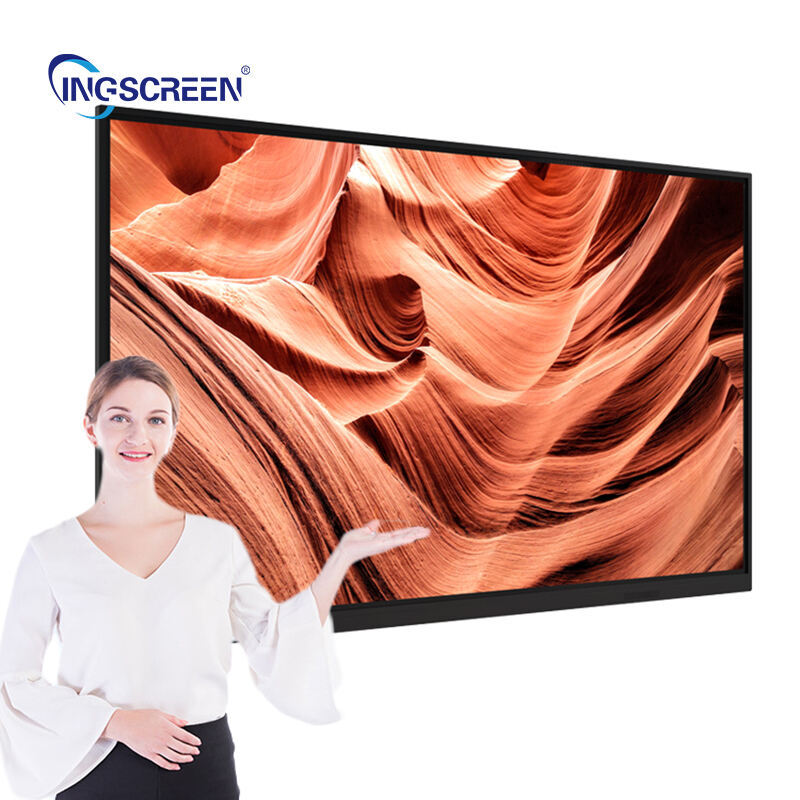
Interaktívne ploché panely sa stali nevyhnutnými nástrojmi v moderných učebniach, kanceláriách riaditeľov a priestoroch na spoluprácu, čím menia spôsob, akým tímy komunikujú a zdieľajú informácie. Tieto pokročilé zobrazovacie systémy kombinujú technológiu dotykovej obrazovky, možnosti digitálnej interaktívnej tabule a bezdrôtové pripojenie, aby vytvorili dynamické interaktívne prostredie. Avšak podobne ako pri každom inom investičnom nákupu pokročilej technológie závisí životnosť interaktívneho plochého panela v značnej miere od toho, ako sa počas každodenného používania udržiava a prevádzkuje. Porozumenie správnym postupom údržby a uplatnenie stratégií preventívnej údržby môže výrazne predĺžiť funkčnú životnosť týchto zariadení, čím ochráni vašu investíciu a zabezpečí konzistentný výkon po mnoho rokov.
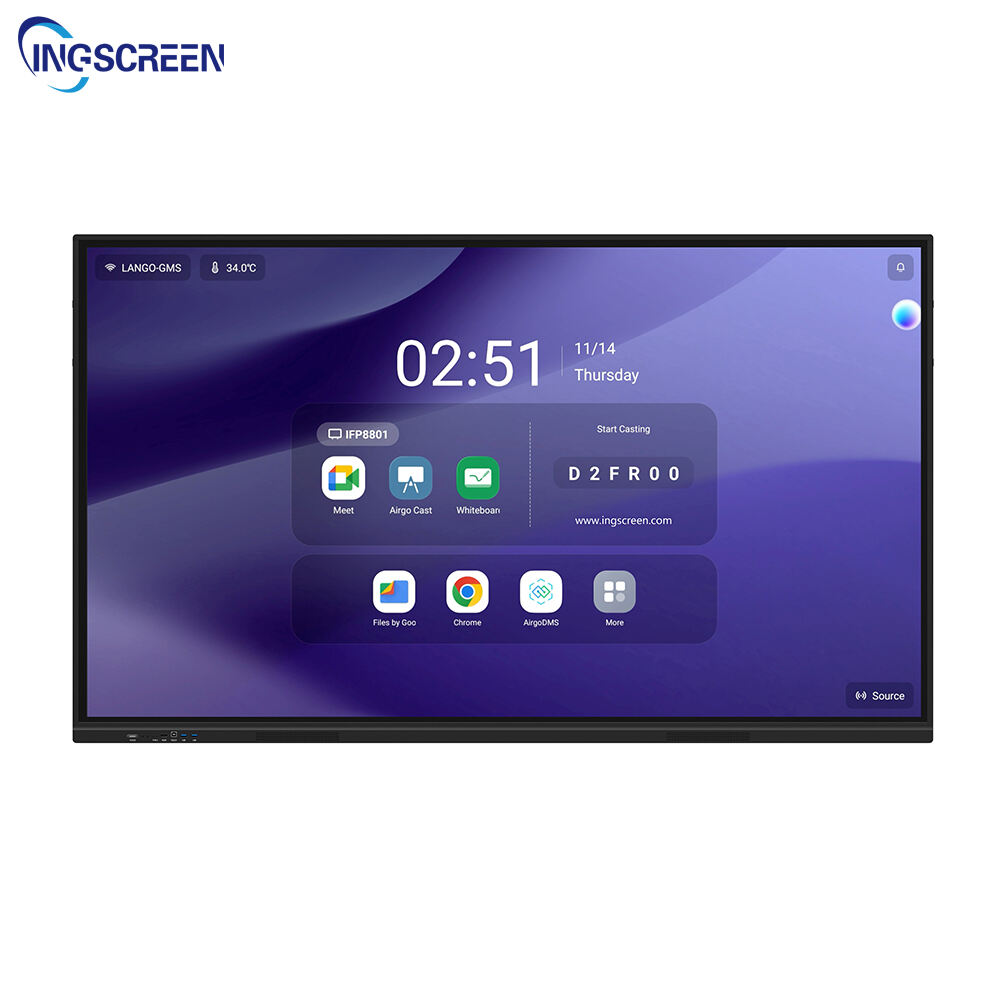
Prevádzková životnosť interaktívneho plochého panelu sa za normálnych podmienok zvyčajne pohybuje v rozmedzí od 30 000 do 50 000 hodín, avšak skutočná trvanlivosť závisí výrazne od environmentálnych faktorov, spôsobu používania a postupov údržby. Mnoho organizácií nevedomky skracuje efektívnu životnosť svojich interaktívnych displejov nesprávnymi metódami čistenia, nedostatočnou ventiláciou, nepretržitým prevádzkovaním pri maximálnej jasnosti alebo opomenutím aktualizácií firmvéru. Tento komplexný sprievodca predstavuje praktické, okamžite uplatniteľné stratégie, ktoré môžu správcovia priestorov, administrátori IT a koncoví používatelia implementovať bezodkladne, aby maximalizovali návrat zo svojej investície do interaktívneho plochého panelu. Dodržiavaním týchto overených protokolov údržby a najlepších prevádzkových postupov môžete výrazne znížiť celkové náklady na vlastníctvo (TCO) a zároveň udržať optimálny výkon displeja počas celej predĺženej doby prevádzky zariadenia.
Pochopenie Interaktívny plochý panel Komponenty a faktory opotrebenia
Kritické hardvérové prvky, ktoré určujú životnosť
Životnosť interaktívneho plochého panela je určená niekoľkými navzájom prepojenými hardvérovými komponentmi, z ktorých každý má odlišné charakteristiky opotrebovania a spôsoby poruchy. Systém LED podsvietenia predstavuje hlavný faktor obmedzujúci životnosť väčšiny komerčných interaktívnych plochých panelov, pretože jas LED sa prirodzene znižuje po tisíckach hodín prevádzky. Moderné LED podsvietenie v kvalitných systémoch interaktívnych plochých panelov je vyhodnotené na približne 50 000 hodín prevádzky pred dosiahnutím 50 % pôvodného jasu, hoci tento ukazovateľ predpokladá prevádzku pri strednej úrovni jasu, nie pri maximálnom výkone. Vrstva dotykovej obrazovky (touchscreen overlay), bez ohľadu na to, či sa používa infračervená, kapacitná alebo optická technológia dotyku, podlieha mechanickému opotrebovaniu spôsobenému opakovanými dotykmi, kontaktom pera a náhodnými nárazmi, čo postupne môže znížiť presnosť a citlivosť dotyku v čase.
Interný spracovávací modul a výpočtové komponenty počas prevádzky generujú významné množstvo tepla, čo robí tepelné riadenie kľúčovým faktorom pre dlhodobú spoľahlivosť vašej interaktívnej plošnej obrazovky. Kondenzátory, pamäťové moduly a spracovacie čipy všetky prechádzajú zrýchleným starnutím pri vystavení vyšším teplotám, pričom sa miera porúch komponentov približne zdvojnásobuje pri každom zvýšení prevádzkovej teploty o 10 °C. Zdroj napätia prekonvertuje prichádzajúce striedavé napätie na viaceré úrovne jednosmerného napätia, ktoré vyžadujú rôzne podsystémy, a predstavuje ďalší bežný bod poruchy v starých systémoch interaktívnych plošných obrazoviek. Porozumenie týmto zraniteľnostiam na úrovni jednotlivých komponentov umožňuje administrátorom sústrediť údržbové aktivity na tie konkrétne oblasti, ktoré najviac ovplyvňujú celkovú životnosť a spoľahlivosť systému.
Environmentálne faktory spôsobujúce stres, ktoré zrýchľujú starnutie
Environmentálne podmienky okolo inštalácie interaktívneho plochého panela zohrávajú rozhodujúcu úlohu pri určovaní skutočnej prevádzkovej životnosti. Extrémne teploty, či už nadmerné teplo alebo chlad, zaťažujú elektronické komponenty a zrýchľujú degradačné procesy v displejovom systéme. Väčšina výrobcov interaktívnych plochých panelov uvádza optimálny rozsah prevádzkových teplôt medzi 0 °C a 40 °C, pričom ideálny výkon sa dosahuje v rozmedzí od 15 °C do 30 °C. Prevádzka interaktívneho plochého panela v prostredí, kde je teplota trvalo vyššia ako 30 °C, môže znížiť očakávanú životnosť o 20–40 %, zatiaľ čo miesta s nedostatočnou cirkuláciou vzduchu zvyšujú tepelné zaťaženie tým, že bránia účinnejmu odvádzaniu tepla z vnútorných komponentov.
Vlhkosť mimo odporúčaného rozsahu 20–80 % relatívnej vlhmosti vytvára ďalšie výzvy pre spoľahlivosť interaktívnych plochých panelov. Nadmerná vlhkosť podporuje koróziu elektrických kontaktov, kondenzáciu na doskách s obvodmi a potenciálne skraty, ktoré môžu spôsobiť katastrofálny zlyhanie komponentov. Naopak, extrémne suché prostredie zvyšuje riziko statickej elektriny, ktorá môže poškodiť citlivé ovládače dotykových displejov a rozhraniové obvody. Usadzovanie prachu v vetracích kanáloch a na vnútorných komponentoch pôsobí ako tepelná izolácia, čo zvyšuje prevádzkové teploty a zrýchľuje starnutie komponentov. Častice sa tiež môžu usadiť na optických senzoroch používaných v infračervených dotykových systémoch, čím sa zníži presnosť detekcie dotyku a zvýši sa potreba častejšej kalibrácie vášho interaktívneho plochého panela. Správna kontrola prostredia predstavuje jednu z najnákladovo efektívnejších stratégií na predĺženie životnosti interaktívnych displejov.
Vzory používania ovplyvňujúce trvanlivosť zariadenia
Spôsob, akým sa interaktívny plochý panel v skutočnosti používa na každodennnej báze, významne ovplyvňuje jeho efektívnu životnosť. Nepretržitý prevádzkový režim pri maximálnom nastavení jasnosti zrýchľuje degradáciu LED podsvietenia a zvyšuje tepelné zaťaženie všetkých vnútorných komponentov. Mnoho užívateľov neoprávnene prevádzkuje svoj interaktívny plochý panel pri 100 % jasnosti bez ohľadu na podmienky okolitého osvetlenia, hoci pri jasnosti 60–70 % sa zvyčajne dosahuje vynikajúca viditeľnosť pri súčasnom znížení spotreby energie a tvorby tepla o 30–40 %. Frekvencia a intenzita dotykových interakcií tiež ovplyvňujú životnosť dotykového displeja – agresívny tlak pera alebo opakované nárazy postupne znižujú presnosť dotykového senzora a poškodzujú ochranný povrchový povlak.
Vzory zapínania a vypínania napájania predstavujú ďalší kritický faktor používania, ktorý ovplyvňuje životnosť interaktívnych plochých panelov. Zatiaľ čo neustále ponechanie displejov zapnutých umožňuje vyhnúť sa tepelnej záťaži spôsobenej opakovaným zahrievaním a ochladzovaním, zároveň maximalizuje celkový počet prevádzkových hodín a náklady na energiu. Naopak, viacnásobné zapínanie a vypínanie interaktívneho plochého panela počas jedného dňa spôsobuje cykly tepelnej expanzie a kontrakcie, ktoré zaťažujú pájkové spojenia a mechanické pripojenia. Väčšina výrobcov odporúča využívať zabudované funkcie správy napájania, ktoré automaticky znížia jas alebo prepnú do režimu pohotovosti počas období neaktivity, čím sa dosiahne optimálny kompromis medzi zaťažením komponentov a energetickou účinnosťou. Porozumenie týmto dynamikám používania umožňuje organizáciám vypracovať prevádzkové protokoly, ktoré maximalizujú praktickú životnosť ich investícií do interaktívnych plochých panelov.
Zavedenie správnych postupov čistenia a údržby povrchu
Príslušné čistiace prostriedky a roztoky
Výber vhodných čistiacich prostriedkov predstavuje základný aspekt údržby interaktívnych plochých panelov, ktorý priamo ovplyvňuje nielen životnosť povrchu, ale aj výkon dotykovej funkcie. Dotykový povrch plochého panela interaktívny plochý panel vyžaduje jemné čistiacie prostriedky, ktoré odstraňujú odtlačky prstov, prach a zvyšky nečistôt bez poškodenia protiblyskových povlakov, oleofóbnych úprav alebo vrstiev citlivých na dotyk. Štandardné čističe na sklo obsahujúce amoniak, alkohol v koncentrácii vyššej ako 70 % alebo abrazívne zložky môžu tieto špeciálne povlaky trvalo poškodiť, čím vzniknú matné oblasti alebo sa zníži citlivosť dotyku. Výrobcovia všeobecne odporúčajú mikrovláknové utierky špeciálne navrhnuté pre elektronické displeje, pretože tieto materiály účinne odstraňujú nečistoty bez poškrabania a zároveň sa vyhýbajú usadeninám vlákien, ktoré nechávajú papierové utierky alebo bežné čistiacie utierky.
Ideálnym riešením na čistenie povrchov interaktívnych plochých panelov je destilovaná voda s malým množstvom jemného, neškrabavého umývacieho prostriedku na riad alebo komerčne dostupné prostriedky na čistenie obrazoviek, ktoré sú špeciálne formulované pre dotykové displeje. Tieto špecializované čistiace prostriedky sú vyvážené podľa pH a neobsahujú agresívne chemikálie, ktoré by mohli postupne poškodzovať povrchové úpravy. Pri čistení vášho interaktívneho plochého panela vždy nanášajte čistiaci prostriedok na handričku a nie priamo na povrch obrazovky, aby ste zabránili vniknutiu kvapaliny do tesniacich okrajov a potenciálnemu poškodeniu vnútorných komponentov. Na odstránenie tvrdších zvyškov, ako napríklad inkoust suchou tabuľou alebo zvyškov lepidla, je účinným a zároveň bezpečným prostriedkom izopropanol zriedený destilovanou vodou na koncentráciu 50 % alebo menej – tento roztok je bezpečný pre väčšinu povrchov dotykových displejov. Pravidelné čistenie pomocou vhodných materiálov zabraňuje hromadeniu nečistôt, ktoré sa postupne stávajú čoraz ťažšie odstrániteľnými, a môže nakoniec vyžadovať agresívne čistenie, ktoré ohrozuje celistvosť povrchu.
Správne techniky a frekvencia čistenia
Správna technika čistenia je rovnako dôležitá ako výber materiálu pri údržbe povrchu interaktívneho plochého panela. Vždy úplne vypnite displej pred čistením a nechajte obrazovku ochladiť na izbovú teplotu. Tým sa zabráni tepelnej šoku spôsobenej kontaktom chladných čistiacich roztokov s teplým povrchom a zároveň sa šmúhy a odtlačky prstov stanú viditeľnejšími na tmavom displeji. Používajte jemný a rovnaký tlak s kruhovými pohybmi namiesto agresívneho drhnutia, ktoré môže poškodiť protiblyskové povlaky alebo spôsobiť mikroškrabance, ktoré sa postupne hromadia. Postupujte systematicky cez celý povrch namiesto opakovaného čistenia rovnakej oblasti a dokončite čistenie suchým mikrovláknovým handričkou, aby ste odstránili akúkoľvek zostávajúcu vlhkosť alebo pruhovanie.
Frekvencia čistenia interaktívneho plochého panela by mala zodpovedať skutočnej intenzite používania a environmentálnym podmienkam. V prostrediach s vysokou návštevnosťou, ako sú vzdelávacie inštitúcie alebo korporácie, sa zvyčajne vyžaduje denné čistenie, aby sa udržala optimálna dotyková reakcia a vizuálna jasnosť, zatiaľ čo displeje v konferenčných miestnostiach, ktoré sa používajú menej často, môžu vyžadovať dôkladné čistenie len raz týždenne. Ľahká údržba pomocou suchého mikrovláknového uteráku na odstránenie prachu sa môže vykonávať každý deň bez obáv z nadmerného čistenia, zatiaľ čo mokré čistenie pomocou roztokov by sa malo obmedziť len na prípady, keď je viditeľné znečistenie a vyžaduje si ho. Príliš časté čistenie kvapalinovými roztokmi môže postupne poškodiť ochranné povlaky, zatiaľ čo nedostatočné čistenie umožňuje hromadenie nečistôt, ktoré potom vyžadujú agresívnejšie metódy čistenia. Zaznamenajte si harmonogram čistenia a akékoľvek výskytnuté problémy, aby ste stanovili optimálne intervaly údržby špecifické pre vašu inštaláciu interaktívneho plochého panela a vzory jeho používania.
Ochrana povrchov pred fyzickým poškodením
Zabránenie fyzickému poškodeniu povrchu interaktívneho plochého panelu eliminuje náklady na opravy a efektívnejšie predlžuje funkčnú životnosť v porovnaní s akoukoľvek reaktívnou stratégiou údržby. Inštalácia displeja vo vhodnej výške a uhle zníži pravdepodobnosť náhodných nárazov a zároveň optimalizuje ergonómiu pre hlavných používateľov. Pri stenovo montovaných inštaláciách interaktívnych plochých panelov sa musia používať pevné, výrobcom schválené upevňovacie konzoly, ktoré bránia posunovaniu alebo vibrovaniu displeja počas dotykovej interakcie, pretože mechanické zaťaženie upevňovacích bodov môže postupne poškodiť rám displeja alebo vnútorné spojenia. Pri inštaláciách na mobilných vozíkoch sa musí vozík vybaviť ochranou okrajov a funkciami zabezpečujúcimi stabilitu, ktoré bránia prevráteniu alebo poškodeniu pri preprave.
Stanovenie jasných pokynov na používanie pomáha predchádzať správaniam, ktoré zrýchľujú opotrebovanie interaktívnych plochých panelov. Užívateľov je potrebné informovať, aby sa vyhýbali dotýkaniu obrazovky ostrými predmetmi, prsteňmi, hodinkami alebo inými šperkami, ktoré by mohli poškrabať ochranné povlaky. Je potrebné odrazovať nadmerný tlak pri dotykových interakciách, pretože moderné kapacitné dotykové displeje na zaregistrovanie vstupu vyžadujú iba ľahký tlak. V prípade interaktívnych plochých panelov s vysokou návštevnosťou v základných školách alebo verejných priestoroch, kde je ťažké vynútiť si dodržiavanie pravidiel používania, zvážte použitie ochranného skleneného panela z tvrdeného skla. Tieto ochranné vrstvy je možné vymeniť v prípade poškrabania alebo poškodenia, čím sa zachová povrch podkladového displeja. Zavedenie týchto preventívnych opatrení významne zníži pravdepodobnosť poškodenia, ktoré skracuje životnosť interaktívneho plochého panela alebo vyžaduje drahé opravy.
Optimalizácia prevádzkových nastavení na predĺženie životnosti komponentov
Správa úrovne jasnosti a automatická úprava
Správa jasnosti predstavuje najvýznamnejšie nastavenie, ktoré ovplyvňuje životnosť interaktívneho plošného displeja, priamo sa týka trvanlivosti LED podsvietenia a celkovej spotreby energie. Prevádzka interaktívneho plošného displeja na maximálnom jase po celý čas zrýchľuje degradáciu LED diód, pričom životnosť podsvietenia klesá exponenciálne s rastúcim jasom. Výskum ukazuje, že zníženie jasu z 100 % na 70 % môže predĺžiť životnosť LED podsvietenia o 40–60 %, pričom tento jas je stále úplne postačujúci pre väčšinu vnútorných prostredí. Mnoho používateľov predvolene nastavuje maximálny jas bez ohľadu na podmienky okolitého osvetlenia, hoci stredné nastavenia zabezpečujú vynikajúcu viditeľnosť pri výrazne nižšom zaťažení komponentov a nižšej spotrebe energie.
Moderné interaktívne ploché panelové systémy obsahujú senzory okolitého svetla, ktoré automaticky upravujú jas podľa osvetlenia v miestnosti, čím optimalizujú viditeľnosť a súčasne minimalizujú zbytočný chod podsvietenia. Aktivácia tejto funkcie automatického nastavenia jasu zabezpečuje, že váš interaktívny plochý panel pracuje počas celého dňa na vhodnej úrovni, keď sa mení prirodzené osvetlenie, bez nutnosti manuálneho nastavovania. Pri inštaláciách v priestoroch s konštantným umelým osvetlením poskytuje manuálne nastavenie jasu na úrovni 60–75 % ideálny kompromis medzi viditeľnosťou a životnosťou zariadenia. Zaznamenajte si nastavenia jasu a pravidelne overujte, či funkcie automatického nastavovania zostávajú zapnuté, pretože aktualizácie firmvéru alebo systémové obnovy niekedy obnovia predvolené maximálne nastavenia jasu, čo zrýchľuje opotrebovanie komponentov.
Manažment napájania a nastavenia režimu pohotovosti
Inteligentná správa energie predlžuje životnosť interaktívneho plochého panela znížením nepotrebných prevádzkových hodín a zároveň sa vyhýba nadmernej tepelnej cyklicité spôsobenej opakovaným zapínaním. Nakonfigurujte svoj interaktívny plochý panel tak, aby po uplynutí definovaného obdobia nečinnosti prešiel do režimu pohotovosti – zvyčajne po 15–30 minútach v prostrediach s vysokou intenzitou používania alebo po 5–10 minútach v prípadoch občasného používania. Režim pohotovosti výrazne zníži spotrebu energie a tvorbu tepla, pričom umožňuje rýchle prebudenie po priblížení používateľa alebo dotyku na obrazovku. Tento prístup poskytuje optimálnu rovnováhu medzi úsporou energie, životnosťou komponentov a pohodlím používateľa v porovnaní s nepretržitým prevádzkovým režimom alebo úplným vypnutím z napájania.
Správa energie na základe rozvrhu ponúka ďalšiu účinnú stratégiu na predĺženie životnosti interaktívnych plochých panelov v prostrediach s predvídateľným využívaním, ako sú učebne alebo kancelárie určené na firemné školenia. Nastavte displej tak, aby sa automaticky zapínal krátko pred plánovanými obdobiami používania a úplne vypínal počas dlhších období nevyužívania, napríklad v noci, o víkendoch alebo počas sviatkov. Tým sa eliminujú nepotrebné hodiny prevádzky a zároveň sa vyhnete nepríjemnostiam spojeným s manuálnou správou napájania. Niektoré systémy interaktívnych plochých panelov podporujú detekciu prítomnosti pomocou zabudovaných kamier alebo senzorov blízkosti, pričom sa automaticky zobudia zo stavu pohotovosti, keď používatelia vstúpia do miestnosti, a vrátia sa do režimu s nízkou spotrebou energie, ak je priestor dlhšie neobsadený. Správne nakonfigurovaná správa napájania môže v typických inštaláciách znížiť celkový počet prevádzkových hodín o 30–50 %, čo sa priamo prejaví v podobe zodpovedajúceho predĺženia životnosti.
Monitorovanie teploty a tepelné riadenie
Aktívne tepelné riadenie chráni vnútorné komponenty pred tepelnou degradáciou, ktorá predstavuje hlavný spôsob poruchy v systémoch interaktívnych plochých panelov. Väčšina komerčných displejov obsahuje vnútorné monitorovanie teploty s automatickými ochrannými funkciami, ktoré znížia jas alebo spustia vypnutie v prípade prekročenia kritických teplotných prahov. Však spoľahlivosť na tieto núdzové tepelné ochrany naznačuje nedostatočnú kontrolu prostredia, čo zrýchľuje starnutie komponentov, aj keď automatické vypnutia zabránia okamžitej poruche. Monitorujte priestor priamo okolo inštalácie vášho interaktívneho plochého panela a uistite sa, že vetracie mriežky zostanú nezatienené a že sa dodržiavajú špecifikácie voľného priestoru na všetkých stranách.
Inštalujte interaktívny plochý panel mimo priameho slnečného svetla, vykurovacích výustok alebo iných zdrojov tepla, ktoré zvyšujú okolitú teplotu v mieste inštalácie. Priame slnečné svetlo spôsobuje lokálne horúce miesta na povrchu displeja, zvyšuje tepelné zaťaženie vnútorných chladiacich systémov a zároveň zneprehľadňuje obrazovku kvôli odlesku a odrazom. Niektoré modely interaktívnych plochých panelov obsahujú aktívne chladiace systémy s ventilátormi, ktoré vyžadujú pravidelnú údržbu na odstránenie prachu z lopatiek ventilátorov a chladičov. Pre overenie, či váš konkrétny model obsahuje aktívne chladenie, sa oboznámte s dokumentáciou výrobcu a v prípade potreby stanovte vhodné intervaly údržby. Udržiavanie optimálnych tepelných podmienok predstavuje jednu z najúčinnejších stratégií na maximalizáciu životnosti a spoľahlivosti interaktívneho plochého panela.
Zavedenie preventívnej údržby a plánov aktualizácií
Správa aktualizácií firmvéru a softvéru
Pravidelné aktualizácie firmvéru predstavujú často podceňovanú údržbovú aktivitu, ktorá významne ovplyvňuje životnosť a funkčnosť interaktívnych plochých panelov. Výrobcovia neustále vydávajú aktualizácie firmvéru, ktoré odstraňujú zistené chyby, zlepšujú presnosť dotyku, vylepšujú algoritmy tepelnej správy a optimalizujú charakteristiky spotreby energie. Tieto aktualizácie často obsahujú opravy problémov, ktoré by mohli spôsobiť preťaženie komponentov alebo predčasný poruchu, ak by sa na ne nepozeralo. Zavedte štvrťročný proces kontrolného prehľadu, aby ste skontrolovali dostupnosť aktualizácií firmvéru pre váš interaktívny plochý panel, a aktualizácie otestujte v nekritickom inštalácii pred ich nasadením do celého parku displejov, ak spravujete viacero displejov.
Softvérové aktualizácie pre akýkoľvek zabudovaný operačný systém alebo dodávané aplikácie podobne zvyšujú stabilitu a výkonnostné charakteristiky, ktoré ovplyvňujú každodennú použiteľnosť a dlhodobú spoľahlivosť. Mnoho interaktívnych plochých panelových systémov beží na výpočtových platformách založených na systémoch Android alebo Windows, ktoré vyžadujú bezpečnostné opravy a aktualizácie funkcií podobne ako štandardné počítače. Ak je to možné, nakonfigurujte automatické inštalácie aktualizácií počas naplánovaných období nevyužívania alebo stanovte mesačné údržbové okno na manuálnu inštaláciu aktualizácií. Zaznamenajte aktuálne verzie firmvéru a softvéru a vediete denník aktualizácií, v ktorom spájate akékoľvek zmeny výkonu so špecifickými inštaláciami aktualizácií. Táto dokumentácia sa ukazuje ako neoceniteľná pri riešení problémov a pri identifikácii problematických aktualizácií, ktoré je potrebné vyhnúť sa alebo vrátiť späť.
Fyzická kontrola a údržba konektorov
Plánované fyzické prehliadky umožňujú identifikovať vznikajúce problémy, kým neprídu k poruche interaktívneho plochého panela alebo k zníženiu jeho výkonu. Štvrťročné prehliadky by mali zahŕňať kontrolu všetkých káblových pripojení, pričom je potrebné zabezpečiť, aby HDMI, USB, napájací a sieťový kábel zostali pevne zapojené bez napätia alebo poškodenia. Voľné pripojenia spôsobujú nespoľahlivý chod, čo frustruje používateľov a vyvoláva požiadavky na technickú podporu, a zároveň môžu spôsobiť elektrické oblúkové výboje, ktoré poškodzujú kontaktové plochy konektorov. Skontrolujte rám displeja a montážne prvky na príznaky preťaženia, trhliny alebo uvoľnenia, ktoré by mohli naznačovať nedostatočnú podporu alebo zlyhanie montáže. Všetky zistené problémy je potrebné okamžite odstrániť, aby sa zabránilo postupnému poškodeniu, ktoré sa neskôr stáva drahším na opravu.
Skontrolujte vetracie mriežky a oblasť okolo vášho interaktívneho plochého panela, či sa na nich neusadzuje prach, ktorý obmedzuje prietok vzduchu a zvyšuje vnútorné teploty. Na odstránenie prachu z vetracích otvorov použite stlačený vzduch alebo mäkkú kefku, pričom dbajte na to, aby ste nezatlačili nečistoty hlbšie do skrinky. Skontrolujte povrch dotykovej obrazovky, či sa na nej neobjavujú problémy, ako je odlepuvanie okrajov, tvorba trhliny alebo miesta so zníženou citlivosťou na dotyk, čo môže naznačovať poškodenie nárazom alebo výrobné chyby. Včasná detekcia týchto problémov umožňuje uplatniť záručné nároky alebo vykonať opravy, kým sa problémy nezhoršia a potenciálne nepresiahnu záručnú dobu. Zavediete jednoduchý kontrolný zoznam, ktorý môžu mesačne vykonávať netechnickí zamestnanci, pričom akékoľvek zistené problémy postupujú k kvalifikovaným technikom na podrobné posúdenie.
Profesionálna kalibrácia a overenie výkonu
Ročné profesionálne kalibračné služby udržiavajú optimálne výkonné charakteristiky interaktívnych plochých panelov, keď sa komponenty starnú a menia sa vonkajšie podmienky. Kalibrácia dotyku zaisťuje presné umiestnenie ukazovateľa po celej ploche obrazovky a kompenzuje malé posuny snímačov alebo mechanické zmeny v dotykovej vrstve. Kalibrácia farieb overuje, či zobrazované farby zostávajú presné a konzistentné, a upravuje ich s ohľadom na starnutie LED podsvietenia a vplyv okolitého svetla, ktorý postupne mení farebné charakteristiky. Profesionálni technici môžu tiež vykonať diagnostické testy, ktoré odhalia vznikajúce problémy s komponentmi ešte predtým, než spôsobia prevádzkové poruchy, čo umožňuje preventívnu výmenu komponentov s obmedzenou životnosťou počas plánovanej údržby namiesto núdzových opráv.
Začnite s určením výkonnostných základných hodnôt pri novom interaktívnom plochom displeji, pričom zdokumentujte merania jasnosti, metriky presnosti dotyku a všetky diagnostické výsledky poskytnuté výrobcom. Porovnajte tieto základné hodnoty s výsledkami ročnej kalibrácie, aby ste sledovali postupné zhoršovanie výkonnosti v čase a zistili, kedy sa stane nevyhnutnou výmena hlavných komponentov. Tento prístup k údržbe založený na dátach umožňuje informované rozhodovanie o oprave alebo výmene a zabezpečuje maximalizáciu užitočnej životnosti vášho interaktívneho plochého displeja, pričom zároveň predchádza nadmerným nákladom na údržbu starých systémov, ktoré sa blížia ku koncu svojho životného cyklu. Profesionálne služby údržby zvyčajne stojia výrazne menej ako núdzové opravy alebo predčasná výmena, čo predstavuje vynikajúcu investíciu do ochrany vašich aktív interaktívnej technológie.
Školenie používateľov a zavedenie najlepších prevádzkových postupov
Vypracovanie jasných pokynov na používanie
Komplexné školenie používateľov predstavuje jednu z najúčinnejších stratégií na predĺženie životnosti interaktívnych plochých panelov, pretože správne návyky používania zabraňujú väčšine poškodení a opotrebovania, ktoré sa dajú predísť. Vypracujte jasné a stručné pokyny na používanie, v ktorých vysvetlíte správne techniky dotyku, vhodný výber pera a správanie, ktoré je potrebné vyhnúť sa. Dôrazne zdôraznite, že moderné kapacitné dotykové displeje vyžadujú len ľahký dotyk a že nadmerný tlak neposkytuje žiadnu výhodu, ale naopak urýchľuje opotrebovanie dotykového displeja. Predveďte správne držanie pera a uveďte schválené typy pera, pretože perá s kovovou špičkou alebo poškodené perá môžu poškrabať ochranné povlaky alebo poškodiť dotykové senzory na vašom interaktívnom plochom panely.
Vytvorte vizuálne pripomínkové materiály, napríklad laminované rýchle referenčné karty alebo plagáty umiestnené pri interaktívnom plochom displeji, ktoré zdôrazňujú základné princípy používania. Zahrňte ilustrácie zobrazujúce správne i nesprávne spôsoby interakcie, vhodné postupy čistenia, ktoré môžu vykonať používatelia, a kontaktné údaje na nahlásenie technických problémov. V vzdelávacích prostrediach zvážte krátke orientačné sezenia pre študentov na začiatku každého semestra, počas ktorých sa demonštruje správne používanie interaktívneho plochého displeja a vysvetľuje sa, prečo tieto postupy majú význam. Investície do vzdelávania používateľov prinášajú významné výhody v podobe znížených mier poškodení, menšieho počtu požiadaviek na technickú podporu a predĺženej životnosti vybavenia v celej sade vašich interaktívnych displejov.
Zavedenie kontroly prístupu a monitorovania používania
Príslušná kontrola prístupu zabraňuje neoprávnenému alebo nesprávnemu používaniu, ktoré často vedie k poškodeniu alebo nadmernej opotrebovanosti interaktívnych plochých panelov. V školskom prostredí sa uistite, že študenti používajú displej výlučne pod dozorom učiteľa a že systém je vypnutý alebo uzamknutý, keď je miestnosť neobsadená. V podnikovom prostredí zvážte vyžadovanie overenia totožnosti používateľa pred tým, ako sa interaktívny plochý panel stane plne funkčným, čím sa zabezpečí zodpovednosť za jeho používanie a zjednoduší sa odstraňovanie problémov v prípade výskytu porúch. Mnoho interaktívnych plochých panelov s podnikovou úrovňou funkčnosti obsahuje funkcie zaznamenávania používania, ktoré sledujú prevádzkové hodiny, frekvenciu dotykovej interakcie a vzory používania aplikácií, čím poskytujú cenné údaje na optimalizáciu plánov údržby a identifikáciu problematických správaní pri používaní.
Zavedenie jasných protokolov pre hlásenie technických problémov, poškodení alebo zhoršenia výkonu vašej interaktívnej plošnej obrazovky. Podporujte používateľov, aby problémy hlásili okamžite, namiesto toho, aby naďalej používali zlyhávajúce zariadenie, pretože včasný zásah často zabráni tomu, aby sa drobné problémy vyvinuli na vážne poruchy. Vytvorte jednoduchý mechanizmus na hlásenie, napríklad online formulár, vyhradenú e-mailovú adresu alebo systém podporných lístkov, ktorý zachytí základné informácie o probléme, čase jeho výskytu a akýchkoľvek predchádzajúcich udalostiach. Rýchla reakcia na nahlásené problémy minimalizuje výpadky, bráni šíreniu poškodení a demonštruje záväzok organizácie vo vzťahu k udržiavaniu interaktívnych plošných obrazoviek v optimálnom stave.
Striedanie vzorov používania a zobrazovaného obsahu
Rôzne vzory používania a zobrazovaný obsah zabraňujú lokálnejmu opotrebovaniu konkrétnych oblastí obrazovky a dotykových senzorov. Statické obrázky zobrazované po dlhšie obdobie môžu spôsobiť dočasné alebo trvalé zadržiavanie obrazu na niektorých technológiách interaktívnych plochých panelov, najmä keď sa v pevných polohách nachádzajú prvky s vysokým kontrastom po niekoľko hodín. Pre interaktívne ploché panely, ktoré zobrazujú statické informácie, ako sú nástenky (dashboards) alebo digitálne informačné tabule, keď sa nepoužívajú aktívne na spoluprácu, implementujte šetriče obrazovky alebo automatické otáčanie obsahu. Tento postup rovnomernejšie rozdeľuje zaťaženie LED podsvietenia po celej ploche obrazovky a zabraňuje efektu vypálenia (burn-in), ktorý spôsobuje viditeľné „tieňové“ obrazy často zobrazovaných prvkov.
Pri interaktívnych plochých panelových systémoch, ktoré sa používajú striedavo viacerými používateľmi alebo na rôzne účely, zmeňte primárne oblasti interakcie a typy aplikácií, aby ste rozdelili mechanické opotrebovanie na dotykových senzoroch. Ak niektoré aplikácie alebo prvky rozhrania sústredia dotykové interakcie do konkrétnych oblastí obrazovky, zvážte pravidelné otáčanie orientácie rozhrania alebo preusporiadanie často používaných ovládacích prvkov. Tým sa opotrebovanie dotykovej obrazovky rozdelí rovnomernejšie a predĺži sa obdobie, počas ktorého sa neprejaví výrazné zníženie presnosti dotyku. Hoci moderné interaktívne ploché panelové systémy využívajú veľmi odolné dotykové technológie, mechanické komponenty sa nevyhnutne opotrebujú a rozdelenie tohto opotrebovania predĺži celkovú funkčnú životnosť.
Často kladené otázky
Ako dlho by mal vydržať dobre udržiavaný interaktívny plochý panel pri bežnom využití v školskom alebo podnikovom prostredí?
Správne udržiavaný interaktívny plochý panel zvyčajne poskytuje 7–10 rokov spoľahlivej prevádzky v typických vzdelávacích alebo podnikových prostrediach, čo zodpovedá približne 30 000–50 000 hodinám prevádzky. Skutočná životnosť závisí výrazne od dĺžky denného využívania, nastavenia jasnosti, environmentálnych podmienok a postupov údržby. Displeje prevádzkované pri strednej úrovni jasnosti a s dobrým tepelným manažmentom často prekračujú výrobcovou špecifikáciou stanovenú životnosť, zatiaľ čo systémy nepretržite prevádzkované pri maximálnej jasnosti v horúcom prostredí môžu po 5–6 rokoch vykazovať výrazné zníženie výkonu. LED podsvietenie predstavuje hlavnú komponentu obmedzujúcu životnosť, ktorá postupne stráca jas, hoci senzory dotyku a výpočtové komponenty sa tiež môžu v starých systémoch pokaziť. Uplatnenie postupov údržby popísaných v tomto návode môže predĺžiť praktickú životnosť o 30–50 % v porovnaní so zle udržiavanými inštaláciami.
Aké sú najčastejšie chyby, ktoré skracujú životnosť interaktívnych plochých panelov?
Najškodlivejšie chyby zahŕňajú nepretržitý prevádzkový režim pri maximálnej jasnosti, čo výrazne zrýchľuje degradáciu LED diód, a nedostatočné vetranie, ktoré spôsobuje zvýšené vnútorné teploty a tým zaťažuje všetky elektronické komponenty. Používanie nevhodných čistiacich prostriedkov obsahujúcich amoniak alebo vysoké koncentrácie alkoholu poškodzuje ochranné vrstvy displeja a vrstvy dotykovej senzoriky. Zanedbávanie aktualizácií firmvéru ponecháva známe problémy nevyriešené a bráni optimalizačným vylepšeniam, ktoré znižujú zaťaženie komponentov. Hromadenie prachu v vetracích kanáloch vytvára tepelnú izoláciu, čo zvyšuje prevádzkové teploty. Fyzické poškodenie v dôsledku nárazov alebo nadmerného tlaku pri dotyku zhoršuje výkon dotykovej obrazovky a môže spôsobiť prasknutie displejových panelov. Nakoniec prevádzka interaktívneho plochého panela mimo teplotných a vlhkostných rozsahov špecifikovaných výrobcom výrazne zrýchľuje starnutie komponentov a zvyšuje pravdepodobnosť porúch.
Mala by sa interaktívna plochá doska nechať nepretržite zapnutá alebo vypnúť, keď sa nepoužíva?
Žiadna z týchto extrémnych možností nepredstavuje optimálnu stratégiu na maximalizáciu životnosti interaktívnej plochej dosky. Nepretržitý prevádzkový režim spôsobuje hromadenie nepotrebných prevádzkových hodín a nákladov na energiu, zatiaľ čo časté úplné vypínanie a zapínanie vytvára tepelné zaťaženie spôsobené opakovaným zahrievaním a ochladzovaním. Ideálny prístup využíva inteligentný manažment napájania, ktorý po uplynutí definovaného obdobia nečinnosti – zvyčajne 15 až 30 minút – prechádza do režimu nízkovýkonového pohotovostného stavu. Režim pohotovosti zníži spotrebu energie o 90 % alebo viac a zároveň umožňuje okamžité prebudenie podľa potreby, čím poskytuje optimálnu rovnováhu medzi životnosťou komponentov a pohodlím používateľa. Pre inštalácie s predvídateľným rozvrhom používania nakonfigurujte automatické zapnutie krátko pred plánovanými obdobiami používania a úplné vypnutie počas dlhších období nevyužívania, ako sú nočné hodiny alebo víkendy. Tento prístup minimalizuje celkový počet prevádzkových hodín a zároveň sa vyhýba nadmernej tepelnej cyklicité.
Ako často by sa malo vykonávať profesionálne údržbové servisovanie interaktívneho plochého panela?
Ročná profesionálna údržba zabezpečuje vhodnú rovnováhu medzi preventívnou starostlivosťou a nákladmi na údržbu pre väčšinu inštalácií interaktívnych plochých panelov. Profesionálne kalibračné služby by mali overiť presnosť dotykovej funkcie, posúdiť rovnosť zobrazenia, skontrolovať farebnú kalibráciu a vykonať diagnostické testy na identifikáciu vznikajúcich problémov s komponentmi. Štvrťročné interné prehliadky personálom prevádzky by mali skontrolovať pripojenia, vyhľadať fyzické poškodenie, odstrániť prach z oblastí vetrania a overiť správne fungovanie všetkých funkcií. Mesačné kontrolné postupy na úrovni používateľa by mali potvrdiť základnú funkčnosť, zabezpečiť, aby sa čistenie vykonávalo primerane, a nahlásiť akékoľvek zmeny výkonu. Inštalácie s vysokým stupňom využitia v náročnom prostredí môžu mať prospech z polročnej profesionálnej údržby, zatiaľ čo displeje v konferenčných miestnostiach s nízkym využitím môžu predĺžiť interval profesionálnej údržby na 18 mesiacov. Frekvenciu údržby stanovte na základe vašich konkrétnych vzorov využívania, environmentálnych podmienok a operačnej dôležitosti každej inštalácie interaktívneho plochého panela.
Obsah
- Pochopenie Interaktívny plochý panel Komponenty a faktory opotrebenia
- Zavedenie správnych postupov čistenia a údržby povrchu
- Optimalizácia prevádzkových nastavení na predĺženie životnosti komponentov
- Zavedenie preventívnej údržby a plánov aktualizácií
- Školenie používateľov a zavedenie najlepších prevádzkových postupov
-
Často kladené otázky
- Ako dlho by mal vydržať dobre udržiavaný interaktívny plochý panel pri bežnom využití v školskom alebo podnikovom prostredí?
- Aké sú najčastejšie chyby, ktoré skracujú životnosť interaktívnych plochých panelov?
- Mala by sa interaktívna plochá doska nechať nepretržite zapnutá alebo vypnúť, keď sa nepoužíva?
- Ako často by sa malo vykonávať profesionálne údržbové servisovanie interaktívneho plochého panela?

