
All Categories

What to Consider When Investing in Interactive Panel Technology

2026-04-03 10:00:00
What to Consider When Investing in Interactive Panel Technology

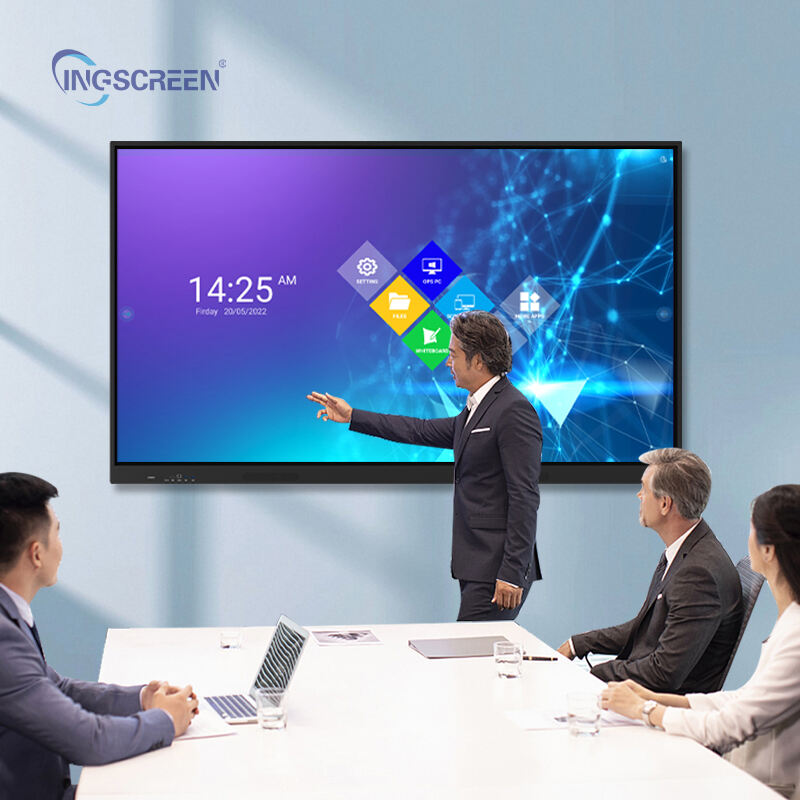
Interactive panel technology has revolutionized how organizations approach visual communication, collaboration, and digital engagement across multiple industries. When businesses consider investing in these advanced display solutions, understanding the fundamental aspects that drive successful implementation becomes crucial for maximizing return on investment and achieving long-term operational efficiency.

interactive panel technology

The decision to invest in interactive panel technology requires careful evaluation of multiple technical, operational, and strategic factors that directly impact the effectiveness and sustainability of your technology deployment. Organizations must assess their specific use cases, infrastructure requirements, and long-term technology roadmap to ensure their investment aligns with both current needs and future growth objectives.

Technical Infrastructure Requirements for Interactive Panel Technology

Hardware Compatibility and System Integration

When evaluating interactive panel technology, organizations must first assess their existing hardware infrastructure to ensure seamless integration. The compatibility between interactive panels and current computer systems, network architecture, and peripheral devices determines the complexity and cost of implementation. Modern interactive panel technology requires specific processing power, graphics capabilities, and connectivity options that may necessitate hardware upgrades or replacements.

System integration extends beyond basic compatibility to encompass software ecosystems and existing workflow tools. Interactive panel technology must integrate effectively with content management systems, video conferencing platforms, and collaborative software applications that teams already use. Organizations should evaluate whether their current IT infrastructure can support the bandwidth requirements, real-time processing demands, and multi-user interactions that interactive panels enable.

The scalability of technical infrastructure becomes particularly important when organizations plan to deploy multiple interactive panels across different locations or departments. Centralized management capabilities, remote monitoring features, and standardized configuration protocols ensure that interactive panel technology can grow with organizational needs while maintaining consistent performance standards.

Network Architecture and Connectivity Considerations

Network performance directly impacts the effectiveness of interactive panel technology, particularly when supporting cloud-based applications, real-time collaboration, or high-resolution content streaming. Organizations must evaluate their network bandwidth, latency requirements, and quality of service protocols to ensure optimal panel performance during peak usage periods.

Wireless connectivity options play a crucial role in modern interactive panel technology deployment, enabling seamless device connectivity and reducing cable management complexity. However, wireless implementation requires careful consideration of network security protocols, device authentication procedures, and bandwidth allocation strategies to maintain both performance and security standards.

The integration of interactive panel technology with existing network security frameworks requires comprehensive evaluation of firewall configurations, access control policies, and data protection measures. Organizations must ensure that panel connectivity does not create security vulnerabilities while maintaining the open communication channels necessary for effective collaboration.

Display Quality and Performance Specifications

Resolution and Visual Clarity Standards

Display resolution represents a fundamental consideration when investing in interactive panel technology, as it directly affects content clarity, user experience, and professional presentation quality. Organizations must balance resolution requirements with budget constraints while considering the typical viewing distances and content types that will be displayed on their panels.

Interactive panel technology specifications should align with the primary use cases, whether focused on detailed technical drawings, high-resolution video content, or text-heavy presentations. The pixel density, color accuracy, and brightness levels must meet the environmental conditions where panels will be deployed, including ambient lighting conditions and viewing angle requirements.

Touch sensitivity and response time specifications become critical factors when evaluating interactive panel technology for applications requiring precise input or multi-user interaction. The accuracy of touch detection, gesture recognition capabilities, and simultaneous touch point support directly impact user satisfaction and productivity outcomes.

Performance Under Various Operating Conditions

Interactive panel technology performance varies significantly under different environmental conditions, making it essential to evaluate operational specifications against actual deployment environments. Temperature ranges, humidity tolerance, and dust resistance ratings determine the suitability of panels for different installation locations and usage patterns.

Long-term performance consistency requires assessment of component durability, expected lifespan, and maintenance requirements. Interactive panel technology investments should consider the total cost of ownership, including replacement schedules, service requirements, and potential performance degradation over time.

The ability of interactive panel technology to maintain consistent performance during extended usage sessions becomes particularly important in educational environments, corporate meeting spaces, and public installations where continuous operation is expected. Heat management, processing stability, and memory optimization directly impact user experience during prolonged interactions.

Software Compatibility and Application Ecosystem

Operating System Integration

Software compatibility represents a critical factor when selecting interactive panel technology, as the effectiveness of the investment depends heavily on seamless integration with existing software environments. Organizations must evaluate compatibility with their primary operating systems, whether Windows, macOS, Android, or Linux-based solutions, to ensure optimal functionality and user experience.

The native software capabilities of interactive panel technology should align with organizational workflow requirements, including document editing, presentation tools, whiteboard applications, and collaborative platforms. Built-in software features can significantly reduce additional licensing costs and simplify user training requirements while ensuring consistent performance across different user scenarios.

Cross-platform compatibility becomes increasingly important in diverse technology environments where users may connect different device types to the same interactive panel technology. The ability to support multiple operating systems simultaneously, share content across platforms, and maintain consistent functionality regardless of the connected device enhances the versatility and value of the investment.

Third-Party Application Support

The ecosystem of third-party applications available for interactive panel technology significantly impacts the long-term value and functionality of the investment. Organizations should evaluate the availability of industry-specific applications, educational software, business productivity tools, and creative applications that align with their intended use cases.

Application marketplace accessibility and the development community supporting the interactive panel technology platform influence the availability of future software enhancements and specialized tools. A robust ecosystem ensures that organizations can adapt their panels to evolving needs without requiring hardware replacements or significant additional investments.

Security considerations for third-party applications include evaluation of app store policies, software verification processes, and data handling procedures. Organizations must ensure that the interactive panel technology platform maintains appropriate security standards while allowing sufficient flexibility for necessary business applications.

Installation Environment and Physical Requirements

Space Planning and Mounting Considerations

Physical installation requirements for interactive panel technology extend beyond simple wall mounting to encompass comprehensive space planning that optimizes user interaction and visual accessibility. The installation environment must accommodate proper viewing distances, user movement zones, and accessibility requirements while maintaining professional aesthetics and safety standards.

Mounting systems and structural requirements vary significantly based on panel size, weight specifications, and intended usage patterns. Interactive panel technology installations must consider wall load-bearing capacity, ceiling clearances, and potential vibration issues that could affect touch sensitivity and display stability over time.

Cable management and power distribution planning become critical components of successful interactive panel technology deployment, particularly in environments where clean aesthetics and safety compliance are priorities. Proper planning for power outlets, network connections, and device charging stations ensures optimal functionality while maintaining professional appearance standards.

Environmental Factors and Durability

Environmental conditions significantly impact the performance and longevity of interactive panel technology, making site assessment a crucial component of the investment decision. Factors such as ambient lighting, temperature fluctuations, humidity levels, and potential exposure to dust or moisture directly affect panel functionality and maintenance requirements.

Durability specifications become particularly important in high-traffic environments or applications involving frequent user interaction. Interactive panel technology designed for commercial or educational use must withstand repeated touch interactions, potential impact from users or objects, and continuous operation schedules that may stress electronic components.

The protection rating and certification standards for interactive panel technology should align with the intended installation environment, whether indoor office spaces, educational facilities, or semi-outdoor applications. Understanding these specifications helps organizations select appropriate models while planning for necessary environmental controls or protective measures.

Cost Analysis and Return on Investment

Total Cost of Ownership Evaluation

Investment in interactive panel technology requires comprehensive cost analysis that extends beyond initial purchase price to encompass installation, training, maintenance, and ongoing operational expenses. Organizations must evaluate the total cost of ownership over the expected lifespan of the technology to make informed investment decisions and budget appropriately for long-term deployment.

Installation costs vary significantly based on site requirements, infrastructure modifications, and professional service needs. Interactive panel technology deployment may require electrical work, network infrastructure upgrades, mounting system installation, and integration services that substantially impact the overall investment amount.

Ongoing operational costs include software licensing, maintenance contracts, replacement parts, and potential upgrade requirements as technology evolves. Organizations should factor these recurring expenses into their financial planning while considering the expected technological refresh cycles and compatibility requirements for future enhancements.

Productivity and Efficiency Gains

The return on investment for interactive panel technology often materializes through improved productivity, enhanced collaboration effectiveness, and streamlined workflow processes. Organizations should establish measurable metrics for evaluating the impact of panel deployment on meeting efficiency, user engagement, and task completion times.

Quantifying the benefits of interactive panel technology requires consideration of both direct productivity improvements and indirect advantages such as reduced travel costs, improved remote collaboration capabilities, and enhanced professional presentation quality. These factors contribute to the overall value proposition while supporting business case development for technology investment.

Long-term strategic benefits of interactive panel technology investment include improved competitive positioning, enhanced customer engagement capabilities, and support for digital transformation initiatives. Organizations should evaluate how panel deployment aligns with broader technology strategies and contributes to organizational goals beyond immediate operational improvements.

FAQ

What is the typical lifespan of interactive panel technology investments?

Interactive panel technology typically provides 5-7 years of effective service life under normal commercial usage conditions, though actual lifespan varies based on usage intensity, environmental conditions, and maintenance practices. Organizations should plan for technology refresh cycles and budget accordingly for eventual replacement or upgrade requirements to maintain optimal performance and compatibility with evolving software ecosystems.

How much training is typically required for users to effectively utilize interactive panel technology?

User training requirements for interactive panel technology generally range from 2-8 hours of initial instruction, depending on the complexity of applications and user technical backgrounds. Most organizations find that basic functionality training can be completed in 2-3 hours, while advanced features and specialized applications may require additional sessions. Ongoing support and refresher training help maximize user adoption and technology utilization rates.

What ongoing maintenance and support considerations are important for interactive panel technology?

Interactive panel technology requires regular maintenance including screen cleaning, software updates, calibration checks, and periodic hardware inspections to ensure optimal performance. Organizations should plan for annual service contracts, replacement part availability, and technical support access to address issues quickly and minimize downtime. Proactive maintenance significantly extends equipment lifespan and maintains user satisfaction.

How do organizations typically measure the success of their interactive panel technology investment?

Success metrics for interactive panel technology investments commonly include user adoption rates, meeting efficiency improvements, collaboration frequency increases, and overall user satisfaction scores. Organizations often track productivity metrics such as reduced meeting times, improved decision-making speed, and enhanced remote participation effectiveness. Financial metrics may include cost savings from reduced travel, improved project completion rates, and enhanced customer engagement outcomes.

email goToTop