
 EN
EN
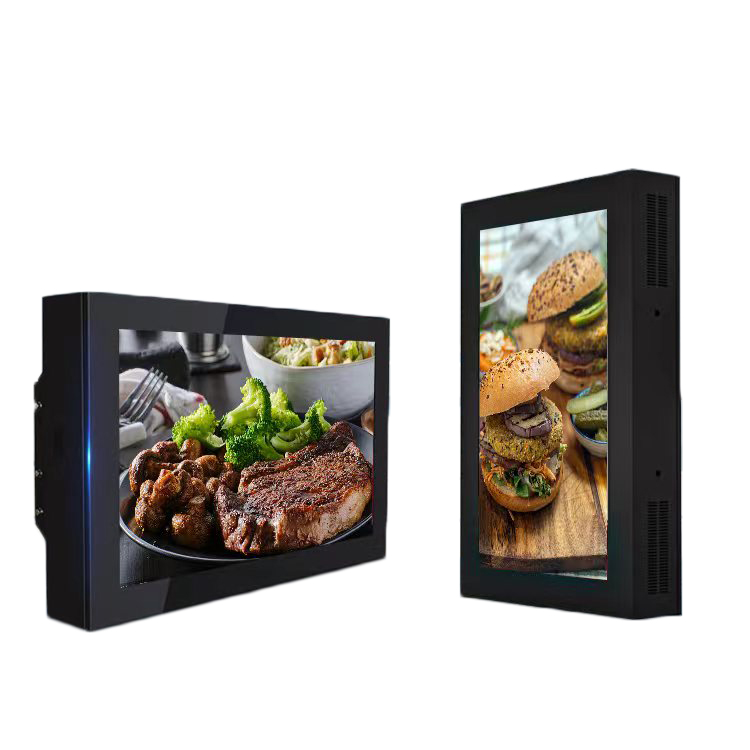
Digital screen displays retail environments have undergone a dramatic transformation over the past decade, fundamentally changing how businesses interact with customers and drive sales. The shift toward digital screen displays retail adoption reflects a broader recognition that static signage no longer meets modern consumer expectations or competitive market demands. Retailers worldwide have embraced digital screen displays retail solutions to create more dynamic, engaging shopping experiences that capture attention and influence purchasing decisions in real time.

The popularity of digital screen displays retail represents a strategic investment in customer engagement and operational efficiency. Modern retail leaders understand that digital screen displays retail infrastructure directly correlates with foot traffic patterns, dwell time, and conversion rates. This article explores the key reasons why digital screen displays retail has become a cornerstone strategy for businesses seeking competitive advantage and improved customer satisfaction in today's experience-driven market.
Enhanced Customer Engagement and Visual Impact
Capturing Attention in Competitive Environments
Digital screen displays retail spaces leverage dynamic content and motion to stop customers in their tracks more effectively than traditional printed materials. Unlike static signage, digital screen displays retail solutions can rotate promotional content, showcase video testimonials, and display real-time inventory updates that trigger immediate purchase intent. The visual superiority of digital screen displays retail technology ensures that retailers maintain messaging relevance across different seasons, product launches, and marketing campaigns without requiring physical replacements or costly reprinting.
The psychological impact of digital screen displays retail environments cannot be overstated. Consumers are naturally drawn to movement and color, and digital screen displays retail installations capitalize on this innate human behavior to direct attention precisely where retailers need it most. Whether positioned at store entrances, near checkout counters, or in dedicated promotional zones, digital screen displays retail configurations create focal points that transform ordinary retail spaces into compelling brand experiences.
Personalization and Contextual Messaging
Digital screen displays retail systems enable sophisticated audience targeting that static displays simply cannot achieve. Modern digital screen displays retail solutions can adjust content based on time of day, customer demographics, weather conditions, or inventory levels, ensuring that messaging remains perpetually relevant and compelling. This adaptive capability makes digital screen displays retail an intelligent investment that optimizes marketing effectiveness without requiring manual intervention or constant content updates.
Retailers implementing digital screen displays retail strategies benefit from the ability to test messaging variations, measure engagement metrics, and refine campaigns in real time. The data-driven approach to digital screen displays retail maximizes return on marketing investment while simultaneously improving the overall customer journey through personalized, contextually appropriate communications.
Operational Efficiency and Cost Effectiveness
Reducing Long-Term Content Distribution Costs
Although initial investment in digital screen displays retail infrastructure requires significant capital, the long-term operational economics strongly favor this technology over traditional printed signage. Digital screen displays retail eliminate the recurring costs associated with graphic design, printing, physical delivery, and installation labor that characterize conventional retail marketing approaches. Once digital screen displays retail systems are deployed, content updates occur through simple software uploads, dramatically reducing the friction and expense of campaign management.
The scalability advantage of digital screen displays retail becomes increasingly apparent as retailers expand their store networks or launch multi-location campaigns. A centralized digital screen displays retail management platform allows marketing teams to deploy identical or customized messaging across dozens or hundreds of locations simultaneously, creating unprecedented efficiency in brand consistency and campaign coordination. This operational leverage makes digital screen displays retail particularly attractive for franchised retailers and large retail chains seeking synchronized marketing impact across distributed networks.
Inventory Integration and Dynamic Pricing
Advanced digital screen displays retail systems integrate directly with inventory management platforms, enabling real-time product availability displays and dynamic pricing adjustments that respond to market demand or inventory levels. This integration capability transforms digital screen displays retail from a pure marketing tool into an operational asset that influences stocking decisions, reduces obsolescence, and optimizes inventory turnover. digital screen displays retail kiosks can display current stock levels, highlight overstocked items, or promote clearance merchandise, creating automatic demand management mechanisms that improve inventory health without manual intervention.
The ability to implement rapid promotional adjustments through digital screen displays retail technology provides retailers with immediate response capabilities to competitive pressure, market trends, or unexpected demand shifts. Rather than waiting for printed materials to be produced and distributed, digital screen displays retail managers can launch new promotions within hours, creating agility that translates directly to competitive advantage and improved financial performance.
Building Brand Presence and Customer Loyalty
Creating Memorable In-Store Experiences
Retail environments built around digital screen displays retail technology convey sophistication, modernity, and customer focus that shape overall brand perception. Consumers shopping in stores featuring digital screen displays retail installations develop stronger associations with innovation and quality, psychological factors that influence loyalty and repeat visit frequency. Digital screen displays retail implementations signal that a retailer invests in customer experience, differentiating the brand in crowded retail markets where consumer choice remains abundant.
The immersive quality of digital screen displays retail spaces creates emotional connections with brands that extend beyond transactional interactions. Whether through video storytelling, interactive product demonstrations, or branded entertainment content, digital screen displays retail platforms enable retailers to communicate brand values and differentiation in ways that resonate emotionally with target audiences. This emotional engagement generated by digital screen displays retail directly supports customer retention, increases lifetime value, and encourages word-of-mouth advocacy.
Supporting Omnichannel Retail Strategies
Contemporary retail success increasingly depends on seamless integration between in-store and online experiences, and digital screen displays retail serves as a critical bridge connecting these channels. Digital screen displays retail can promote online shopping options, display QR codes linking to mobile apps, or showcase social media content, creating cohesive brand experiences that blur traditional channel boundaries. This omnichannel integration capability makes digital screen displays retail essential infrastructure for retailers pursuing unified customer engagement strategies across all touchpoints.
Loyalty programs, personalized recommendations, and customer data analytics can flow through digital screen displays retail installations, creating touchpoints that feel familiar and personalized rather than intrusive or generic. Retailers leveraging digital screen displays retail technology to support omnichannel strategies report measurably improved customer satisfaction, increased cross-channel engagement, and stronger competitive positioning in markets where retail consumers expect seamless experience integration.
FAQ
What specific benefits do digital screen displays retail provide compared to static signage?
Digital screen displays retail offer dynamic content capability, real-time updates, audience targeting, measurable engagement metrics, and long-term cost efficiency that static signage cannot match. Digital screen displays retail can adapt messaging instantly based on time, audience, or conditions, while static materials require complete replacement for any message change. These advantages make digital screen displays retail substantially more effective for retailers seeking flexibility, responsiveness, and proven return on marketing investment.
How do retailers measure the return on investment from digital screen displays retail installations?
Retailers measure digital screen displays retail ROI through multiple metrics including increased foot traffic, improved dwell time, elevated conversion rates, higher average transaction values, and customer engagement data captured through interactive features. Digital screen displays retail platforms typically include analytics dashboards that track content performance, viewer behavior, and demographic data, enabling data-driven optimization. Comparison of sales performance before and after digital screen displays retail implementation, combined with inventory metrics and customer feedback, provides comprehensive ROI validation.
Are digital screen displays retail appropriate for all retail categories and store sizes?
Digital screen displays retail solutions exist at multiple price points and complexity levels, making them viable for retailers of virtually all sizes and categories, from small boutiques to large department stores. Smaller retailers benefit from affordable digital screen displays retail kiosks and countertop displays, while large chains deploy sophisticated networked digital screen displays retail systems across hundreds of locations. The flexibility and scalability of digital screen displays retail technology ensure that appropriate solutions exist for virtually every retail business model and budget scenario.

