
 EN
EN
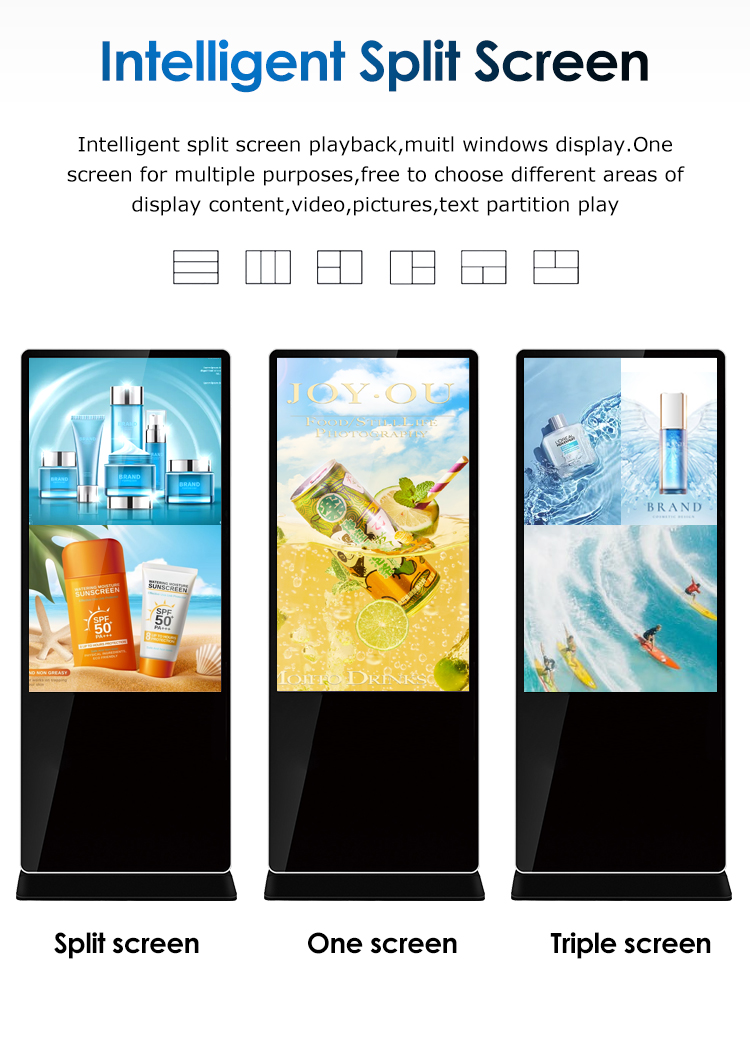
Investing in a digital totem represents a significant capital expenditure for most businesses, whether you operate in retail, hospitality, healthcare, or corporate environments. Before committing your budget, understanding the essential criteria and specifications will ensure you select a solution that genuinely aligns with your operational needs and delivers measurable return on investment. A digital totem serves as a highly visible brand ambassador in your physical space, making the selection process critical to long-term success and customer satisfaction.

Purchasing a digital totem without thorough due diligence can lead to costly mistakes, compatibility issues, and underutilized technology investments. This guide walks you through the critical evaluation framework that procurement and operations teams use to select the right digital totem solution. From display specifications and hardware durability to software integration and total cost of ownership, each factor plays a distinct role in determining whether your digital totem will deliver the performance and reliability your business demands.
Display Quality and Hardware Specifications
Screen Size and Resolution Standards
The physical dimensions and resolution of your digital totem directly impact visibility, readability, and user engagement. Most commercial digital totem installations range from 32 inches to 55 inches in diagonal display size, with 43-inch and 49-inch screens representing the most common sweet spot for foot traffic environments. Resolution should never fall below 1080p full HD, though 4K displays are increasingly standard for premium digital totem solutions serving high-traffic, customer-facing applications.
When evaluating a digital totem, verify that the brightness rating meets your specific deployment environment. Indoor retail locations typically require 300 to 500 nits of brightness, whereas a digital totem positioned near windows or outdoors may need 800 nits or higher to remain legible in direct sunlight. Panel type matters significantly—IPS panels offer superior color accuracy and viewing angles compared to TN panels, making them preferable for interactive digital totem displays where users approach from various angles.
Build Quality and Durability
Structural integrity and material quality determine how long your digital totem will operate reliably in high-use environments. Industrial-grade aluminum or steel frames provide superior durability compared to plastic housings, particularly for free-standing floor digital totem installations subject to vibration, movement, and environmental stress. Examine the bezel thickness, corner reinforcement, and overall weight distribution when assessing a digital totem candidate, as these factors directly correlate with longevity and resistance to accidental damage.
Thermal management is an often-overlooked criterion when selecting a digital totem. Adequate ventilation, quality cooling fans, and heat dissipation design prevent thermal throttling, component failure, and degraded performance in continuous-operation scenarios. Request detailed specifications on the digital totem operating temperature range and confirm that the design accommodates your location's ambient conditions year-round without performance loss.
Software Integration and Content Management Capabilities
Control System and User Interface
The software ecosystem underlying your digital totem determines how easily your team can deploy, update, and manage content across single or multiple installations. Verify whether the digital totem platform supports remote content management via cloud-based dashboards, allowing real-time updates without requiring on-site technician visits. A user-friendly content management system dramatically reduces operational overhead and accelerates your ability to respond to business needs and marketing initiatives when leveraging your digital totem investment.
Interactive capabilities represent another critical evaluation dimension for your digital totem purchase decision. Touchscreen responsiveness, gesture recognition, and multi-touch capability enable engagement-driven use cases such as wayfinding, product browsing, self-service transactions, and visitor check-in. Before committing to a specific digital totem model, test the responsiveness of the touch overlay in both hot and cold environments, as capacitive touch performance degrades in certain temperature conditions that may occur in your deployment location.
Content Compatibility and Format Support
Confirm that your chosen digital totem supports all media formats your marketing and operations teams currently use or plan to deploy. Standard video formats including MP4, MOV, and WebM should be natively supported, along with image formats like PNG, JPEG, and WebP. When evaluating a digital totem, request documentation on supported advertising platforms, HTML5 integration, and third-party plugin compatibility to ensure seamless content workflow integration with your existing marketing technology stack.
API connectivity and integration capabilities are increasingly important for modern digital totem deployments. Whether you require real-time data feeds, CRM integration, inventory synchronization, or dynamic content triggering, verify that the digital totem platform provides robust API documentation and technical support for custom integration projects. This capability differentiates digital totem solutions that merely display static content from those that drive genuine business intelligence and operational efficiency.
Financial and Operational Considerations
Total Cost of Ownership Analysis
Purchasing price represents only the initial component of your digital totem total cost of ownership. Factor in installation expenses, software licensing fees, content creation costs, and ongoing maintenance and support when evaluating your digital totem investment. Many vendors bundle these elements into tiered service packages, so carefully compare what each digital totem proposal includes versus what your organization will need to source separately or pay as additional line items.
Power consumption and operational efficiency impact the long-term financial case for your digital totem deployment. Efficient LED display technology and intelligent power management reduce energy costs significantly compared to older LCD or plasma-based solutions. When reviewing digital totem specifications, request detailed power draw data under typical operating conditions, maximum load scenarios, and sleep mode settings to accurately project your utility expense impact.
Warranty, Support, and Service Level Agreements
Robust warranty coverage and responsive technical support protect your digital totem investment against manufacturing defects and operational failures. Standard manufacturer warranties typically cover 1 to 3 years of parts and labor, though premium digital totem solutions and extended service packages may offer longer protection periods. Confirm whether your digital totem warranty covers accidental damage, power surge damage, and on-site replacement components, as these details significantly impact downtime risk and repair costs.
Service level agreements establish response time commitments and resolution standards for your digital totem technical issues. Business-critical digital totem deployments should be backed by 24/7 support availability, priority dispatch, and 4-hour response guarantees at minimum. Evaluate whether your vendor offers proactive monitoring, predictive maintenance services, and software updates as part of the digital totem support package, as these capabilities reduce unplanned downtime and extend equipment lifespan.
FAQ
What display size digital totem should I choose for my retail environment?
The optimal display size for your digital totem depends on mounting location, viewing distance, and customer traffic patterns. For customer-facing wayfinding or promotional applications, a 43-inch to 55-inch digital totem positioned at eye level typically delivers excellent visibility without overwhelming the physical space. Test sight lines and viewing distances in your specific location before finalizing your digital totem selection, as screen size that works in one retail setting may feel inappropriate in a smaller boutique or hospitality venue.
How important is touchscreen functionality in a digital totem purchase?
Touchscreen capability transforms a passive digital totem display into an interactive engagement tool, but it is not essential for all use cases. If your digital totem will primarily deliver promotional video content and static messaging, basic touch functionality may suffice. However, for self-service applications, wayfinding, product browsing, or customer surveys, responsive multi-touch capability becomes a critical requirement when evaluating your digital totem investment.
What should I verify regarding remote management before purchasing a digital totem?
Before purchasing a digital totem, confirm that the platform offers cloud-based content management enabling updates without requiring technician visits to your location. Test the digital totem management dashboard interface, scheduling capabilities, analytics reporting, and mobile app functionality. Verify response times for content updates, scheduling flexibility for time-zone considerations, and rollback capabilities in case of publishing errors to your digital totem network.

