
 EN
EN
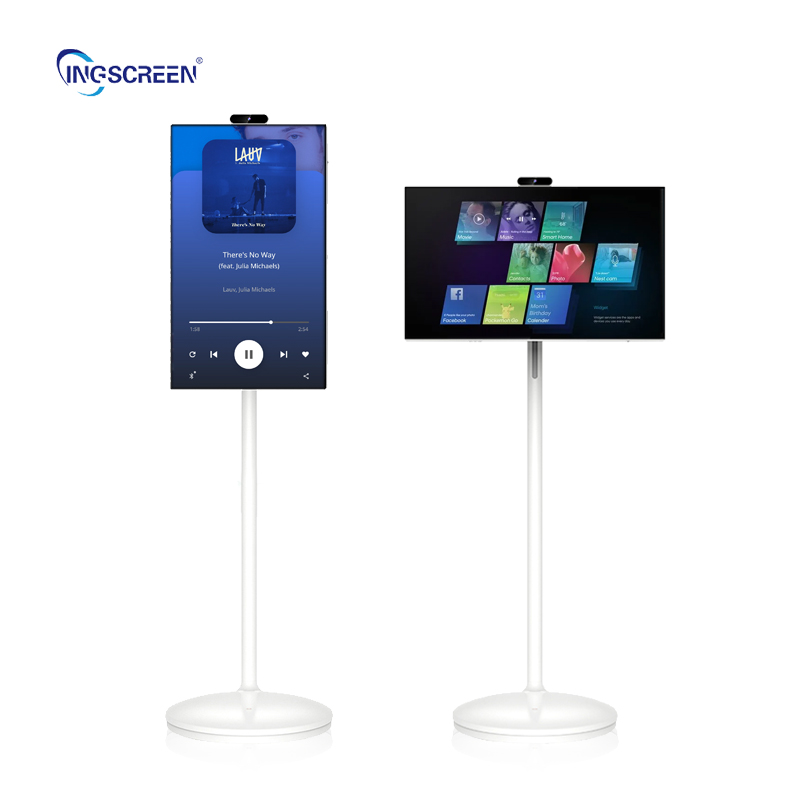
Retail environments have undergone dramatic transformation over the past decade, and one of the most impactful changes has been the strategic deployment of advertising displays throughout store locations. The modern consumer expects dynamic, engaging visual experiences when shopping, and an effective advertising display serves as both a communication tool and a revenue generator for retailers. Understanding where and how to implement advertising displays in retail stores is essential for maximizing foot traffic, boosting product awareness, and ultimately driving sales performance across all product categories and customer demographics.
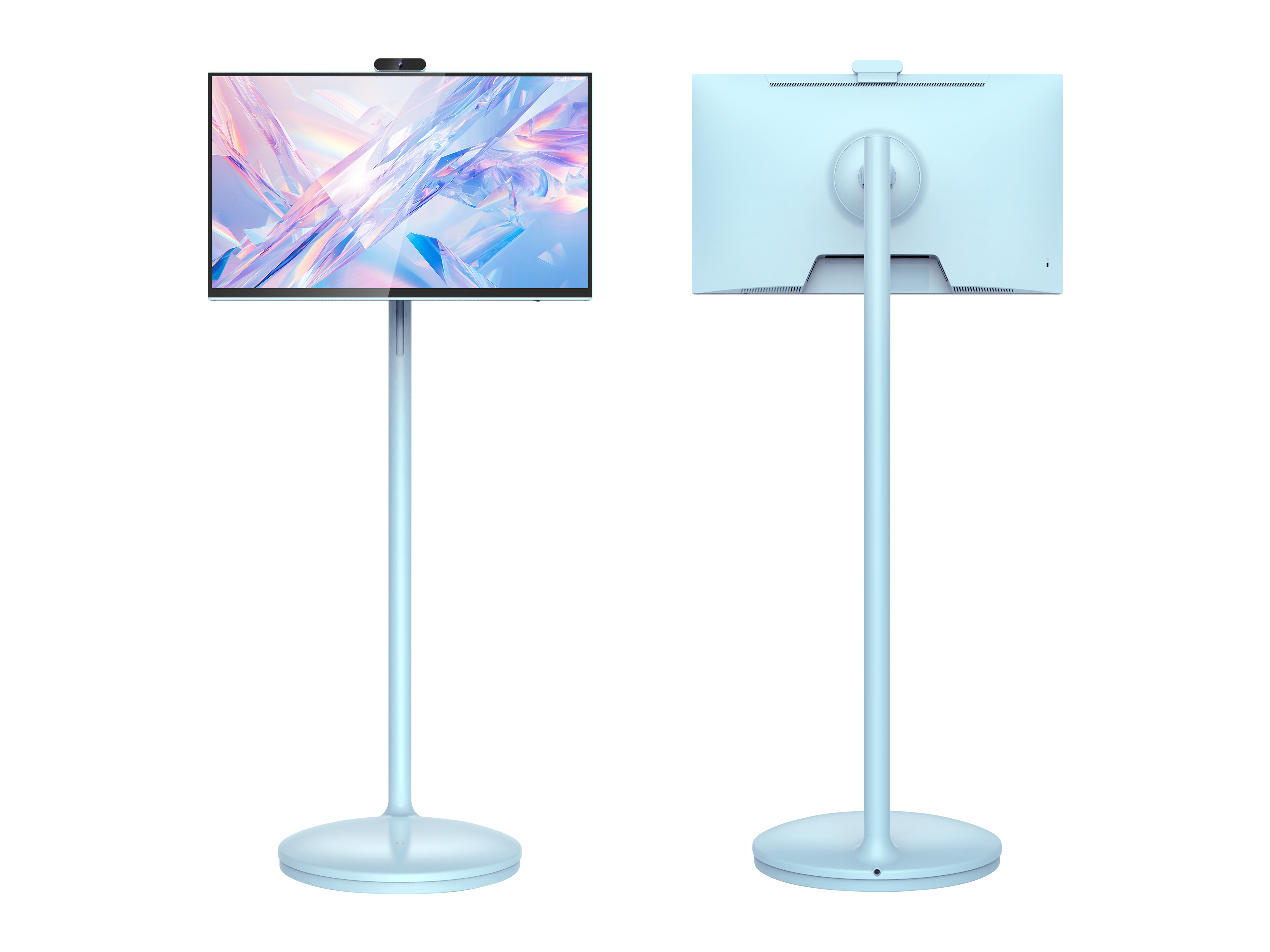
An advertising display in a retail setting functions as more than just a visual element; it represents a strategic investment in customer communication and brand presence. Retailers who leverage advertising displays effectively report increased customer dwell time, improved product recall, and higher conversion rates at checkout. The popularity of advertising displays in retail stores continues to grow because they address fundamental retail challenges: capturing attention in crowded environments, delivering timely promotional messages, and creating memorable brand experiences that influence purchasing decisions.
Entrance and Window Display Applications
Creating First Impressions with Advertising Display Technology
The entrance area represents the critical first touchpoint where an advertising display can make or break a customer's shopping experience. Retailers invest heavily in high-quality advertising display systems at store entrances because this is where customers form immediate impressions about brand quality and store professionalism. A well-designed advertising display positioned at the storefront window attracts foot traffic from the street, communicates current promotions, and sets expectations for the shopping experience inside. Transparency and brightness are essential features of retail advertising display solutions, as outdoor and semi-outdoor entrance areas demand visibility in various lighting conditions. Research indicates that customers who encounter an engaging advertising display at store entry spend 23 percent more time browsing inside the store compared to those who do not experience such displays.
Strategic Positioning of Advertising Display in Entry Zones
The placement of an advertising display within the entrance zone dramatically affects its impact on customer behavior. Many leading retailers position their advertising display systems at a 45-degree angle near the entrance to maximize visibility from multiple vantage points. This strategic placement of advertising display technology ensures that customers approaching the store see promotional content before they enter, while existing customers see updated offers as they leave. An effective advertising display in this location communicates seasonal promotions, new product arrivals, special events, and brand messaging in real-time, allowing retailers to adapt messaging without physical installation costs. The advertising display serves as a dynamic brand ambassador that operates continuously throughout business hours.
In-Store Promotional and Point-of-Sale Applications
Product Promotion Through Targeted Advertising Display Placement
Beyond entrances, an advertising display deployed throughout retail aisles and product sections drives significant sales uplift for featured items. Retailers recognize that an advertising display positioned adjacent to high-margin products or seasonal merchandise generates measurable increases in impulse purchases and brand awareness. The advertising display serves as a silent salesperson that communicates product benefits, pricing information, and usage scenarios to customers actively shopping in that category. Digital and high-brightness advertising display systems excel in this application because they can display multiple products sequentially, adapt messaging based on time-of-day or promotional calendar, and integrate with inventory management systems. An advertising display in promotional zones typically generates 3 to 5 times higher engagement compared to static printed signage.
Checkout Counter Advertising Display Strategies
The checkout area represents another high-value location for advertising display deployment, as customers are captive audiences waiting for transaction completion. An advertising display positioned above checkout counters captures attention during the final purchasing moment and influences last-minute buying decisions. Retailers use advertising display systems in this location to promote small-ticket items, loyalty programs, seasonal products, and premium offerings that customers might not discover elsewhere in the store. The advertising display at checkout integrates seamlessly with point-of-sale systems, allowing content to reflect real-time promotions, inventory levels, and customer loyalty status. This strategic application of advertising display technology transforms idle waiting time into a revenue-generating opportunity for retailers.
Customer Engagement and Brand Experience Applications
Interactive Advertising Display for Enhanced Shopping Journeys
Modern retail environments increasingly deploy interactive and high-bandwidth advertising display systems that engage customers beyond passive viewing. An effective advertising display with touch-screen or motion-detection capabilities creates immersive brand experiences that encourage customer participation and information gathering. Retailers implement advertising display systems that provide product comparisons, detailed specifications, customer reviews, and styling recommendations, transforming shopping from a task into an engaging experience. This type of advertising display installation particularly resonates with younger demographics and tech-savvy consumers who expect digital interaction in retail environments. The data collected from interactive advertising display systems provides retailers with valuable insights into customer preferences, popular products, and engagement patterns that inform future merchandising decisions.
Seasonal and Event-Based Advertising Display Applications
Successful retailers leverage advertising display flexibility to refresh store communications seasonally and event-driven, maintaining customer interest and relevance throughout the year. An advertising display system can be reprogrammed in minutes to reflect holidays, local events, weather-based promotions, and trending products without requiring physical installation changes. Advertising display technology enables retailers to test different creative approaches, measure engagement metrics in real-time, and optimize content performance based on actual customer response. Seasonal advertising display campaigns that align with customer shopping patterns and cultural moments drive consistent traffic increases and strengthen brand emotional connection. The cost-effectiveness of digital advertising display systems compared to print production and installation makes frequent content updates economically viable for retailers of all sizes.
Performance Metrics and ROI Applications
Measuring Advertising Display Effectiveness in Retail Environments
Retailers increasingly demand measurable outcomes from advertising display installations, leading to sophisticated analytics integration and performance tracking systems. A comprehensive advertising display deployment includes sensors, cameras, and software that track customer attention, dwell time, and conversion impact for specific promotional messages. Advanced advertising display systems record which products receive attention following specific advertisements, providing clear attribution of advertising display content to actual sales performance. This data-driven approach to advertising display optimization allows retailers to continuously refine messaging, refine placement, and justify continued investment in display technology. Retailers report that strategically positioned advertising display systems generate return on investment within six to twelve months through increased sales velocity and improved inventory turnover.
Budget Allocation and Advertising Display ROI Optimization
Understanding which advertising display applications deliver highest return on investment helps retailers allocate limited capital to maximum impact. Research demonstrates that advertising display installations in high-traffic zones and near impulse purchase categories generate superior ROI compared to less-trafficked locations. Retailers optimize advertising display deployment by starting with entrance areas and checkout zones, then expanding to secondary locations once foundational systems prove effective. The advertising display investment decision should incorporate factors including store size, customer demographics, product mix, and competitive environment. Long-term successful retailers view advertising display implementation not as an expense but as a strategic infrastructure investment that continuously generates customer engagement and incremental revenue.
FAQ
What specific types of advertising display systems work best in retail stores?
The best advertising display systems for retail environments combine high brightness for visibility, durable construction for continuous operation, network connectivity for remote content updates, and aesthetic design that complements brand identity. LED-based advertising display technology offers superior brightness and energy efficiency compared to traditional LCD systems, particularly for window displays and high-ambient-light locations. Transparent or semi-transparent advertising display options work exceptionally well in window applications where product visibility behind the display remains important. The ideal advertising display choice depends on specific retail application, budget constraints, and integration requirements with existing store systems.
How often should advertising display content be updated in retail stores?
Retail advertising display content should be refreshed at minimum weekly to maintain customer interest and reflect current promotional activities. High-performing retailers update advertising display messaging daily or multiple times daily to align with customer shopping patterns, promotional schedules, and real-time inventory levels. The advertising display system should support rapid content changes without requiring technician visits or extended downtime. Customer perception research indicates that advertising display content that changes too infrequently becomes background noise, while overly frequent changes can create distraction. The optimal advertising display update frequency balances customer attention maintenance with operational practicality and content production capacity.
What budget should retailers allocate for advertising display installation and operation?
Initial advertising display installation costs typically range from fifteen to forty percent of first-year operational budget, depending on system complexity, display quantity, and integration requirements. Annual advertising display operational costs include electricity, maintenance, content production, and system monitoring, typically representing three to eight percent of hardware investment annually. Retailers should evaluate advertising display investment against potential revenue impact, typically expecting five to twenty percent sales lift from strategically positioned displays within target product categories. Total advertising display cost of ownership should include training staff to manage content, insurance coverage, and periodic hardware upgrades. Many retailers structure advertising display investments on capital equipment budgets rather than marketing expenses, reflecting the infrastructure nature of display systems.

