
 EN
EN

Retailers today face unprecedented competition in capturing consumer attention both online and offline. As foot traffic patterns shift and customer expectations evolve, the strategic deployment of digital signage has emerged as a powerful solution for attracting more customers to physical retail locations. This technology transforms static storefronts into dynamic, engaging environments that communicate brand messages, promote products, and create memorable shopping experiences. Understanding how to effectively implement digital signage can mean the difference between a store that customers walk past and one they feel compelled to enter.
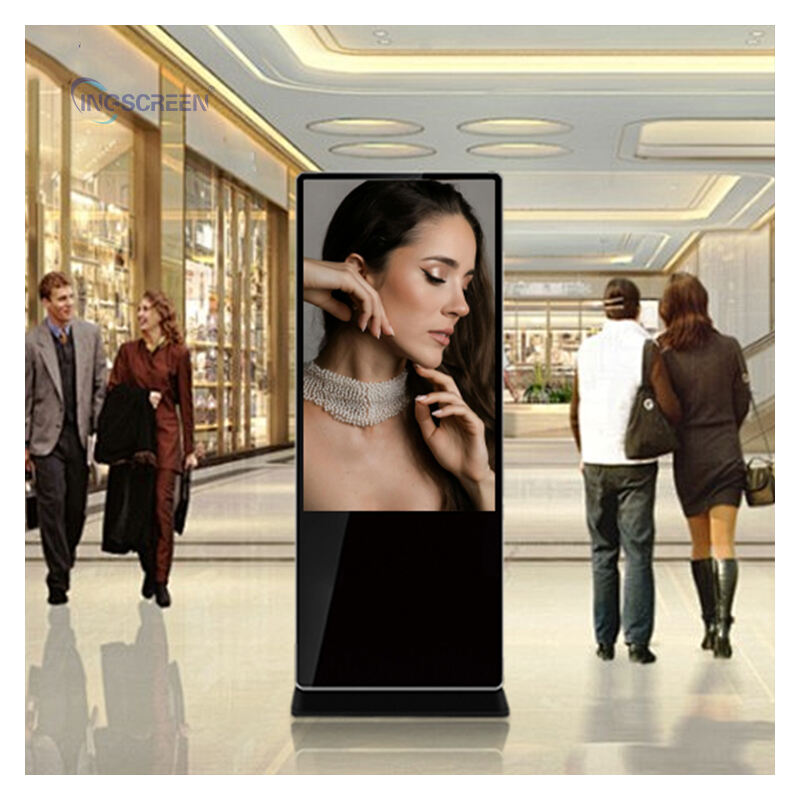
The application of digital signage in retail extends far beyond simple advertisement displays. Modern retailers leverage these digital platforms to create interactive customer journeys, deliver real-time promotional content, and establish distinctive brand identities that resonate with target audiences. From window displays that stop passersby in their tracks to in-store navigation systems that enhance shopping convenience, digital signage serves multiple strategic functions simultaneously. This article explores proven methods retailers can implement to harness digital signage technology for maximum customer attraction, examining the tactical approaches, content strategies, and placement considerations that drive measurable foot traffic increases.
Strategic Placement of Digital Signage to Maximize Visibility
Window Display Positioning for Maximum Pedestrian Impact
The storefront window represents the single most critical location for customer-attracting digital signage. Retailers should position high-brightness screens in windows at eye level for passing pedestrians, ensuring content remains visible even in direct sunlight. Research indicates that dynamic digital displays in retail windows increase dwell time by an average of thirty percent compared to static signage. The key is selecting digital signage with sufficient brightness ratings, typically above 2,500 nits, to compete with ambient outdoor lighting conditions.
Content displayed in window-mounted digital signage should immediately communicate the store's value proposition within the first three seconds of viewer attention. This means featuring bold product imagery, clear promotional messaging, and compelling calls to action that motivate immediate store entry. Retailers should avoid cluttering window displays with excessive information; instead, focus on one primary message that rotates every eight to twelve seconds to maintain visual interest without overwhelming viewers.
The physical installation angle matters significantly for window digital signage effectiveness. Screens should be tilted slightly downward to reduce glare and improve viewing angles for pedestrians at varying heights. Retailers operating in high-traffic urban environments benefit from portrait-orientation displays that align with the natural scanning patterns of walking consumers, while suburban locations with vehicle traffic may prefer landscape orientations visible from greater distances.
Entrance Zone Digital Signage for Immediate Engagement
Once customers approach the store entrance, secondary digital signage should reinforce the decision to enter by highlighting current promotions, new arrivals, or exclusive in-store experiences. Entrance-positioned displays serve as the transition point between external attraction and internal conversion, making their content strategy distinctly different from window displays. These screens should feature more detailed information about specific offers, operating hours, or special events that reward the customer's decision to investigate further.
Retailers can deploy digital signage at entrance zones to communicate brand personality through motion graphics, ambient videos, and lifestyle imagery that emotionally connects with target demographics. Fashion retailers might display runway footage or style inspiration content, while electronics stores could showcase product demonstrations or technology tutorials. The entrance zone represents a brief moment when customers are highly receptive to brand messaging, making it ideal for establishing the store's unique identity.
Measurement of entrance digital signage effectiveness involves tracking conversion rates from approach to entry. Retailers should implement people-counting sensors that correlate digital signage content changes with entry rate fluctuations. This data reveals which content themes, promotional messages, or visual styles most effectively convince hesitant customers to complete the store entry action, enabling continuous optimization of attraction strategies.
Content Strategies That Capture Attention and Drive Action
Dynamic Promotional Content That Creates Urgency
The content displayed on retail digital signage must do more than inform—it must motivate immediate action. Time-sensitive promotions displayed through digital signage create psychological urgency that static signs cannot replicate. Countdown timers for flash sales, limited-quantity alerts, and hourly special offers all leverage the dynamic capabilities of digital signage to make customers feel they might miss valuable opportunities if they delay visiting the store.
Effective promotional content on digital signage follows the principle of singular focus: each screen rotation should highlight one compelling offer rather than multiple competing messages. Retailers should structure content loops that alternate between different promotional categories—such as percentage discounts, bundle deals, and new arrivals—while maintaining consistent visual branding throughout. The transition effects between content segments should be smooth and professional, avoiding jarring animations that distract from the core message.
Seasonal relevance significantly enhances the attraction power of digital signage content. Retailers who update their digital displays to reflect current weather conditions, upcoming holidays, or local events demonstrate responsiveness that resonates with community-connected shoppers. A clothing retailer displaying rainwear promotions during a sudden storm or a grocery store highlighting barbecue supplies before a holiday weekend shows contextual awareness that generic advertising cannot achieve.
Lifestyle Imagery and Aspirational Content
Beyond direct promotions, digital signage attracts customers by presenting aspirational lifestyle imagery that emotionally engages target audiences. Home furnishing retailers display beautifully designed rooms that inspire redecorating projects, while sporting goods stores showcase athletes in action to activate customers' fitness aspirations. This content strategy works because it shifts digital signage from transactional advertising to inspirational storytelling that customers want to engage with.
The production quality of lifestyle content directly impacts its attraction effectiveness. Retailers should invest in professional photography and videography that matches or exceeds the visual standards customers encounter in premium media environments. Low-resolution images, amateur composition, or dated styling undermines brand perception and reduces the motivational impact of digital signage. High-quality lifestyle content signals that the retailer maintains similar quality standards across products and services.
User-generated content represents an increasingly effective approach for digital signage in retail environments. Displaying customer photos, testimonials, and social media posts creates social proof that validates shopping decisions while making the retail experience feel participatory rather than purely commercial. Retailers can implement hashtag campaigns that encourage customers to share their purchases, then feature selected content on in-store digital signage to create a virtuous cycle of engagement and attraction.
Technical Features That Enhance Customer Attraction
Interactive Touchscreen Capabilities
Interactive digital signage transforms passive viewers into active participants, dramatically increasing engagement duration and store entry likelihood. Touchscreen-enabled displays allow potential customers to browse product catalogs, check inventory availability, or access detailed product information before entering the store. This self-service capability appeals particularly to research-oriented shoppers who appreciate the ability to investigate options at their own pace without immediate sales pressure.
Retailers implementing interactive digital signage should design user interfaces with intuitive navigation that requires minimal instruction. The first screen should present clear category options with large touch targets suitable for users of varying technical comfort levels. Response time must be instantaneous; any perceptible lag between touch input and screen response creates frustration that undermines the positive experience interactive digital signage should deliver.
The strategic advantage of interactive digital signage extends beyond immediate customer service to valuable data collection. Retailers can track which products receive the most inquiries, what information customers seek most frequently, and where interaction sessions typically end. This behavioral data reveals customer interests and pain points that inform broader merchandising and marketing strategies while simultaneously attracting customers through enhanced convenience.
Motion Sensors and Adaptive Content Delivery
Advanced digital signage systems equipped with motion sensors can detect approaching customers and automatically trigger attention-grabbing content sequences. This technology allows retailers to conserve energy by displaying ambient content when no potential customers are nearby, then activate high-impact promotional sequences when sensors detect pedestrian traffic. The sudden content change creates a novelty effect that captures attention more effectively than static continuous display.
Proximity-triggered digital signage can deliver increasingly detailed information as customers move closer to displays. A screen might show broad brand messaging to distant pedestrians, transition to specific product categories as shoppers approach, and finally display detailed promotional offers when customers stop within conversational distance. This graduated information architecture respects the natural customer decision journey while maximizing the relevance of displayed content at each engagement stage.
Privacy considerations must guide the implementation of sensor-enabled digital signage. Retailers should use anonymous motion detection rather than facial recognition or identification technologies unless explicit customer consent is obtained. Transparent communication about sensor capabilities—perhaps through small informational notices—builds trust while still allowing retailers to benefit from adaptive content delivery that enhances customer attraction without creating privacy concerns.
Integration with Broader Marketing Strategies
Coordinating Digital Signage with Social Media Campaigns
Maximum customer attraction occurs when digital signage reinforces messaging customers encounter across multiple touchpoints. Retailers should coordinate content themes, visual styles, and promotional offers between digital signage and concurrent social media campaigns. When customers see consistent messaging across platforms, brand recall strengthens and the perceived legitimacy of promotional offers increases, making store visits more likely.
Real-time social media integration on digital signage creates dynamic content that demonstrates active brand engagement. Displaying live Instagram feeds, Twitter mentions, or user reviews on in-store screens shows potential customers that the retailer maintains an active community presence. This social proof becomes particularly powerful when digital signage highlights positive customer experiences, awards, or media recognition that validate the shopping decision before customers commit to entering.
Retailers can use digital signage to promote social media contests or hashtag campaigns that extend engagement beyond the physical store visit. A display might announce a photo contest encouraging customers to share their purchases with a specific hashtag, with winners featured on the same digital signage in subsequent weeks. This strategy transforms digital signage from a one-way broadcast medium into part of a participatory marketing ecosystem that continuously attracts both new and returning customers.
Aligning Content with Local Community Events
Neighborhood-focused retailers gain significant attraction advantages by programming digital signage to acknowledge local events, achievements, and community concerns. Displays that congratulate local sports teams, promote charity partnerships, or highlight community milestones demonstrate genuine local investment that national chains cannot easily replicate. This localized content strategy makes digital signage feel less like corporate advertising and more like community communication.
Event-based content scheduling allows retailers to maximize digital signage relevance throughout the year. Back-to-school periods, local festivals, graduation seasons, and regional celebrations all present opportunities to adjust digital signage content to reflect what's top-of-mind for local customers. Retailers who demonstrate awareness of the community rhythm attract customers who appreciate businesses that understand and participate in local life rather than treating every location as interchangeable.
Partnership content on digital signage can expand a retailer's attraction reach by associating with complementary local businesses or causes. A bookstore might display information about local author events, while a sporting goods retailer could promote nearby fitness studios or recreational leagues. These partnerships position the retailer as a community hub rather than merely a transaction point, attracting customers who value businesses that contribute to broader local ecosystems.
Measuring and Optimizing Digital Signage Effectiveness
Establishing Key Performance Indicators
Retailers must define specific metrics to evaluate whether digital signage investments successfully attract more customers. Foot traffic counting systems that measure pedestrian volume before and after digital signage installation provide baseline effectiveness data. More sophisticated analysis tracks conversion rates from pedestrian traffic to store entries, revealing what percentage of potential customers the digital signage successfully motivates to visit the retail location.
Dwell time measurement indicates how long potential customers pause to view digital signage content before making entry decisions. Longer dwell times generally correlate with higher engagement and subsequent entry rates, though retailers should identify optimal dwell durations for their specific contexts. Content that holds attention too long without motivating entry may be entertaining but commercially ineffective, while content that fails to create any pause likely lacks sufficient attraction power.
Sales attribution analysis connects digital signage content to actual purchasing behavior by tracking which promoted items experience sales increases following display campaigns. Point-of-sale systems can identify when featured products sell at higher rates, validating that digital signage not only attracts customers into stores but influences their buying decisions once inside. This closed-loop measurement justifies continued digital signage investment by demonstrating concrete return on marketing expenditure.
Continuous Content Testing and Refinement
The dynamic nature of digital signage enables systematic content testing that static signage cannot support. Retailers should implement A/B testing protocols that rotate different content variations at similar time periods, then compare resulting foot traffic and conversion metrics. Testing variables might include color schemes, featured product categories, promotional discount structures, or content duration intervals to identify which combinations most effectively attract target customers.
Seasonal performance analysis reveals how digital signage effectiveness fluctuates throughout the year and helps retailers anticipate future attraction challenges. Content strategies that work exceptionally well during holiday shopping seasons may underperform during summer months when customer priorities shift. By maintaining historical performance data, retailers develop institutional knowledge about which content approaches work best during specific calendar periods, enabling proactive rather than reactive content planning.
Customer feedback mechanisms provide qualitative insights that quantitative metrics alone cannot capture. Simple survey kiosks or follow-up email requests asking customers what attracted them to visit can reveal whether digital signage played a role in their decision. These narrative insights often uncover unexpected content elements that resonated with customers, informing future creative directions that pure analytics might not suggest.
FAQ
What type of content works best on digital signage to attract customers?
The most effective content combines time-sensitive promotional offers with high-quality lifestyle imagery that emotionally engages target demographics. Successful retailers use bold visuals, minimal text, and clear calls to action that communicate value propositions within three seconds. Dynamic content that creates urgency through countdown timers or limited availability messaging outperforms static promotional announcements. Seasonal relevance and local community connections further enhance attraction effectiveness by demonstrating contextual awareness that resonates with nearby shoppers.
How bright should outdoor digital signage be to remain visible in sunlight?
Outdoor digital signage requires brightness levels of at least 2,500 nits to maintain visibility in direct sunlight, with 3,000 to 5,000 nits preferred for optimal performance in challenging lighting conditions. Standard indoor displays typically operate at 300 to 700 nits, which proves insufficient for window installations or exterior placements. Retailers should specify high-brightness commercial-grade displays specifically designed for outdoor or high-ambient-light environments. Additionally, anti-glare coatings and proper screen angling significantly improve readability regardless of brightness specifications.
Can small retailers afford effective digital signage systems?
Digital signage has become increasingly accessible to retailers of all sizes through declining hardware costs and flexible content management solutions. Entry-level commercial displays suitable for small retail applications start around modest investment levels, while cloud-based content management platforms often operate on affordable monthly subscription models. Small retailers can begin with single-screen installations at key attraction points like storefronts or entrances, then expand based on measured performance results. The key is selecting appropriately scaled solutions rather than attempting to replicate enterprise-level deployments that exceed operational needs and budgets.
How often should digital signage content be updated?
Content update frequency depends on promotional strategy and customer visit patterns, but most successful retailers refresh primary messaging weekly while rotating secondary content daily. Time-sensitive promotions require immediate updates to maintain credibility and urgency. Retailers with high repeat customer traffic should update content more frequently to prevent habituation, where familiar displays become invisible to regular passersby. Seasonal transitions, inventory changes, and local events all trigger content updates outside regular schedules. The technical ease of updating digital signage compared to traditional printed materials enables responsive content strategies that keep messaging perpetually relevant and attention-worthy.

