
 EN
EN
Цифровата трансформация в образованието е фундаментално променила начина, по който учителите провеждат уроците си, и начина, по който учениците взаимодействат с учебните материали. Сред технологичните иновации, които преобразяват съвременните класни стаи, интерактивната плоска панелна дъска се отличава като критичен инфраструктурен компонент, който едновременно решава множество педагогически предизвикателства. Тази технология е излязла от ролята си на люксозно подобрение и се е превърнала в задължителен инструмент, който определя ефективността на съвременните образователни среди. За да се разбере защо е настъпил този преврат, е необходимо да се проучи пресичането на образователните потребности, технологичните възможности и еволюиращите модели на обучение, които характеризират днешния академичен пейзаж.
Необходимостта от интерактивни плоски панели в цифровите класни стаи произтича от тяхната уникална способност да свързват традиционните методи на преподаване с изискванията на обучението в цифровата епоха. Докато образователните институции по целия свят приемат модели на смесено обучение, хибридни класни структури и учебни програми, интегрирани с технологии, интерактивният плосък панел служи като централен хъб, който прави тези подходи практически осъществими. Тази дисплейна технология не просто заменя по-старото оборудване, а фундаментално трансформира моделите на взаимодействие в класната стая, динамиката на сътрудничество и механизмите за поднасяне на учебно съдържание по начин, който директно подпомага подобряването на резултатите от обучението и ефективността на преподаването.
Фундаменталната роля на интерактивните плоски панели в съвременната педагозия
Подкрепа за активното обучение и ангажираността на учениците
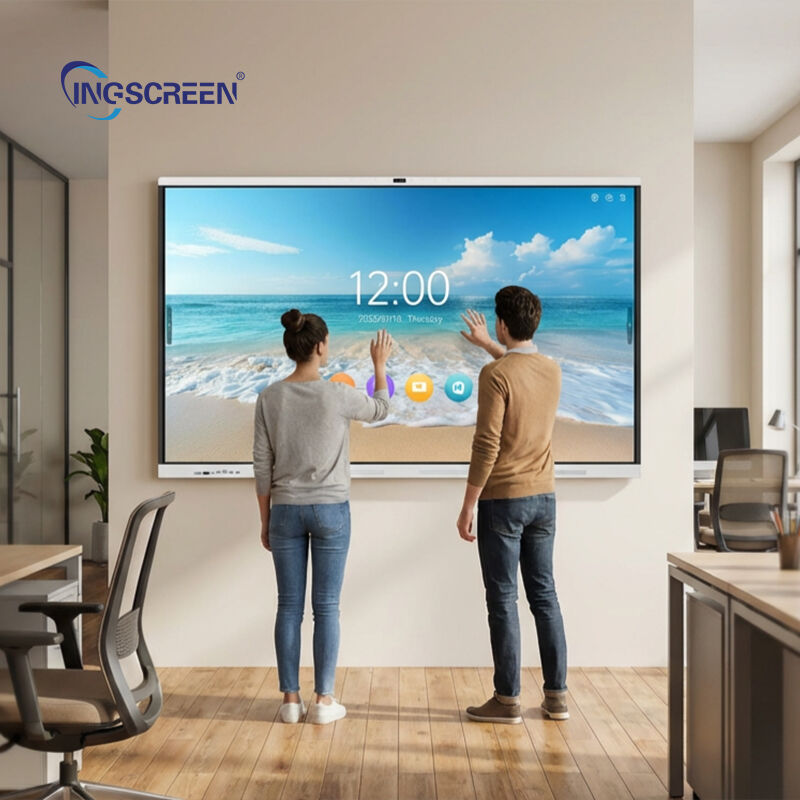
Традиционните пасивни модели на учене, при които учениците предимно възприемат информация чрез лекции, са се оказали по-малко ефективни от активните подходи към учене, изискващи директно участие и ангажираност. Интерактивният плосък панел осъществява този педагозиен преход, като превръща класните дисплеи от еднопосочни канали за предаване на информация в съвместни работни пространства. Учениците могат директно да манипулират съдържанието, да правят бележки върху учебните материали, да решават задачи колективно на екрана и да демонстрират разбирането си чрез практически взаимодействие. Това тактилно ангажиране създава неврологични връзки, които подобряват запаметяването и разбирането далеч над това, което може да се постигне чрез пасивно наблюдение.
Изследванията в областта на образователната психология последователно показват, че мултимодалните учебни преживявания водят до по-добри резултати в сравнение с едноканалното обучение. Интерактивният плосък панел естествено подпомага този мултимодален подход, като обединява визуални, аудитивни и кинестетични елементи на обучение в един и същ интерфейс. Учителите могат безпроблемно да интегрират видеоклипове, интерактивни симулации, демонстрации в реално време и изследователска дейност, насочвана от учениците, в рамките на един и същи учебен поток. Тази гъвкавост позволява на педагога да адаптира методите си на преподаване, за да отговори на разнообразните стилове на учене в рамките на една и съща класна стая, като гарантира, че визуалните ученици, аудитивните обработващи и кинестетичните ученици получават обучение, оптимизирано според техните когнитивни предпочитания.
Включване на формираща оценка в реално време
Ефективното преподаване изисква непрекъснати обратни връзки, при които педагозите могат да оценяват разбирането на учениците по време на обучението, а не да чакат сумативните оценки след завършване на тематичните модули. Интерактивният плосък панел създава инфраструктура за незабавна формираща оценка чрез функции като моментално гласуване, дисплеи за съвместно решаване на проблеми и цифрови интерактивни дъски, където работата на учениците може да се споделя и оценява в реално време. Учителите могат да идентифицират заблуждения в момента на възникването им и незабавно да коригират подходите си към обучението, предотвратявайки натрупването на неразбрани основни концепции.
Тази възможност за оценка в реално време трансформира класната динамика, като прави обучението видимо както за учителите, така и за учениците. Когато учителят проектира задача на интерактивния плосък панел и покани учениците да я решат директно на екрана, мисловните процеси стават прозрачни. Съучениците могат да учат един от друг чрез различните подходи, а учителите могат точно да установят, къде възникват концептуални затруднения. Тази прозрачност е невъзможна с традиционните учебни инструменти и представлява фундаментално предимство, което обосновава задължителното присъствие на технологията на интерактивните плоски панели в съвременните образователни среди.
Технически възможности, които отговарят на критични образователни нужди
Интеграция с образователните екосистеми
Съвременните класни стаи функционират в сложни цифрови екосистеми, които включват системи за управление на обучението, образователни приложения, ресурси в облака и разнообразни устройства на учениците. Един интерактивен плосък панел служи като интеграционна точка, която обединява тези различни елементи в последователна учебна среда. Учителите могат да получават достъп до учебните материали, съхранявани в облака, да стартират специализирано образователно софтуерно осигуряване, да показват съдържание от таблетите или лаптопите на учениците и да превключват между ресурсите без технически затруднения, които биха нарушили хода на урока.
Тази възможност за интеграция е от съществено значение, тъй като фрагментираните технологични екосистеми създават когнитивно натоварване както за преподавателите, така и за учениците. Когато педагозите трябва да превключват между множество несвързани устройства или да се борят с проблеми на съвместимост по време на занятия, ценото учебно време се губи, а темпото на урока се нарушава. Интерактивната плоска панелна дъска отстранява тези бариери, като осигурява единен интерфейс, който се свързва безпроблемно с наличната образователна инфраструктура. Училищата, които инвестират в цифровата трансформация, осъзнават, че без този централен интеграционен възел другите технологични инвестиции дават намалена отдача, тъй като остават изолирани, а не синергични.
Поддържане на хибридни и дистанционни модели на обучение
Образователният пейзаж се е променил завинаги и сега включва хибридни форми на обучение, при които някои ученици присъстват лично, докато други участват дистанционно. Технологията на интерактивните плоски панели е станала задължителна, тъй като единствено тя поддържа това двойно обучение за две аудитории. Вградените камери, микрофони и възможности за споделяне на екрана позволяват на дистанционните ученици ясно да виждат учебното съдържание, да участват в дискусии и дори да взаимодействат с дисплея чрез цифрови връзки. Учениците в реалната класна стая печелят от голямата форма и високото разрешение на дисплея, докато дистанционните участници получават съдържание с качество на телевизионно предаване благодарение на интегрираните функции за конферентна връзка.
Тази хибридна функционалност представлява нещо повече от приспособяване към пандемичния период; тя отразява фундаментални промени в начина, по който ще се осъществява образованието в бъдеще. Училищата днес обслужват ученици, които може да пътуват, да се възстановяват от заболяване, да участват в програми за двойно записване или да имат достъп до специализирано обучение, което не е налично локално. Интерактивният плосък панел прави тези формати педагогически жизнеспособни, а не просто технически възможни. Учителите могат да предоставят ефективно обучение на смесени аудитории, без да компрометират опита на която и да е от групите — нещо, което традиционните дисплей технологии не могат да постигнат без използване на значително допълнително оборудване и техническа сложност.
Операционни предимства, които оправдават образователните инвестиции
Намаляване на общата стойност на собствеността
Въпреки че технологията на интерактивните плоски панели изисква значителни първоначални инвестиции, училищата я считат за задължителна, тъй като всъщност намалява дългосрочните операционни разходи в сравнение с остарелите системи. Традиционните проекторни системи изискват редовна подмяна на лампите, поддръжка на монтиращото оборудване и отделни аудиосистеми, които всеки представлява категория от повтарящи се разходи. Интерактивният плосък панел обединява тези функции в едно устройство с много по-дълъг експлоатационен живот и минимални изисквания за поддръжка. Технологията на твърдотелните дисплеи обикновено осигурява надеждна работа повече от десет години без подмяна на компоненти.
Освен пряката икономия от поддръжка, интерактивният плосък панел намалява косвените разходи, свързани с просто стоящата технология и необходимостта от техническа поддръжка. Учителите губят по-малко учебно време поради повреди на оборудването или процедури за настройка. ИТ отдели изразходват по-малко ресурси за диагностициране на проблеми с дисплеите или за поддръжка на множество категории устройства. Тези оперативни ефективности се натрупват през академичните години, което прави интерактивния плосък панел не само образователно превъзхождащ, но и финансово обоснован от гледна точка на общата стойност. Училищните администратори признават тези икономически реалности, като класифицират тази технология като задължителна инфраструктура, а не като допълнително подобрение.
Максимизиране на ограничения физически обем на класната стая
Съвременните класни стаи се изправят пред нарастващо напрежение да осигуряват все повече функционалност в рамките на ограничени физически пространства. Интерактивната плоска панелна дъска решава този проблем с недостига на място, като обединява няколко традиционни елемента на класната стая в един-единствен монтиран на стената модул. Тя замества проекционните екрани, белите дъски, таблото за обявления за показване на работите на учениците, телевизионните монитори и работните места за съвместна работа, като всъщност предлага повече функционалност от всички тези отделни елементи, взети заедно. Това обединяване освобождава ценни подови и стенни площи за други образователни цели.
Ефективното използване на пространството става съществено, тъй като училищата внедряват гъвкави учебни среди, които изискват бързо преустройство за различни педагози подходи. Класните стаи трябва да поддържат лекционни формати, съвместна работа в малки групи, проектно-ориентирано обучение и индивидуални работни сесии в рамките на един учебен ден. Интерактивният плосък панел поддържа всички тези конфигурации, без да се налага физическо преместване или смяна на оборудването. Фиксираното му монтиране и безжичната връзка позволяват свободно променяне на разположението на мебели и ученици, като при това се запазва пълната технологична функционалност, което го прави незаменим елемент при съвременното проектиране на гъвкави учебни пространства.
Задоволяване на еволюиращите образователни стандарти и очаквания
Подпомагане на развитието на цифрова грамотност и технологични умения
Съвременните образователни стандарти все повече подчертават цифровата грамотност като основна компетентност наред с традиционните академични дисциплини. Учениците трябва да развият беглост в използването на цифрови инструменти, технологии за съвместна работа и системи за управление на информация, за да успеят в по-висшето образование и в съвременните професионални среди. Интерактивният плосък панел става задължителна инфраструктура за преподаване на тези умения, тъй като предоставя на учениците редовен практически опит с интерактивни дисплейни технологии от професионален клас, които отразяват инструментите, с които ще се сблъскат в университета и в работната среда.
Това развитие на технологичните умения протича естествено, докато учениците използват интерактивния плосък панел за изучаване на учебните предмети, а не чрез отделно заделено време за обучение по технологии. Когато учениците правят бележки върху исторически документи, показани на екрана, съвместно решават математически задачи чрез споделени цифрови работни пространства или представят резултатите от своите проучвания, използвайки мултимедийни инструменти, интегрирани в панела, те едновременно овладяват учебното съдържание и развиват технологична компетентност. Тази двойна цел на обучението повишава ефективността и прави интерактивния плосък панел незаменим за училищата, които се стремят да подготвят учениците си за изискванията на цифровата епоха, без да жертват времето, отделено за изучаване на основната учебна програма.
Подпомагане на диференцирано обучение и инклюзивно образование
Класните стаи съдържат ученици с различни способности, образователни нужди и изисквания за достъпност, които учителите трябва да удовлетворяват едновременно. Интерактивната плоска панелна дъска предоставя основни инструменти за диференцирано обучение, като позволява на учителите да представят учебното съдържание в множество формати, да коригират визуалните параметри за учениците с нарушения на зрението, да интегрират връзки с помощни технологии и да осигуряват алтернативни начини за въвеждане на данни за учениците с моторни затруднения. Текстът може да се увеличава незабавно, цветовите схеми – да се настройват за оптимална четливост, а аудиоподкрепа – да се добавя без необходимост от отделно специализирано оборудване.
Инклюзивното образование излиза отвъд простото приспособяване и цели осигуряването на възможност всички ученици да участват активно в класните дейности. Традиционните методи за визуализация и взаимодействие създават бариери за участие за ученици с различни увреждания. Интерактивният плосък панел премахва много от тези бариери чрез функции като управление с глас, системи за монтиране с регулируема височина, калибриране на чувствителността към докосване и съвместимост с устройства за помощна технология. Тези инклюзивни възможности превръщат интерактивния плосък панел от обща учебна помагалка в основна инфраструктура за училища, ангажирани с осигуряване на справедлив достъп до образование за всички ученици, независимо от индивидуалните им предизвикателства в ученето.
Подготовка на образователни среди за непрекъснато иновиране
Създаване на инфраструктура, готова за бъдещето
Образователната технология се развива бързо и училищата трябва да инвестират в инфраструктура, която остава актуална по време на появата на нови педагози подходи и цифрови инструменти. Интерактивният плосък панел представлява основна инфраструктура, готова за бъдещето, тъй като неговата фундаментална архитектура поддържа непрекъснато разширяване на възможностите чрез софтуерни актуализации и интеграция в екосистемата, а не чрез замяна на хардуера. Докато се разработват нови образователни приложения, формати на съдържание и методологии на преподаване, съществуващите инсталации на интерактивни плоски панели могат да включват тези иновации, без да се налага пълна замяна на технологиите.
Тази готовност за бъдещето произтича от дизайна на интерактивната плоска панелна система като изчислителна платформа, а не просто като дисплейно устройство. Вградените процесорни възможности, основите на операционната система и стандартизираните интерфейси за свързване означават, че функционалността се разширява по мярка на еволюцията на екосистемата от образователни технологии. Училищата избягват цикъла на постоянното остаряване, който характеризираше по-раншните инвестиции в класните технологии. Тази продължителност на експлоатация и адаптивност правят интерактивната плоска панелна система незаменима за образователните институции, които трябва да балансират незабавните учебни нужди с дългосрочното стратегическо планиране на технологиите и бюджетните ограничения.
Подкрепа за подобряването на образованието въз основа на данни
Съвременната образователна практика все повече разчита на анализа на данни, за да се идентифицират ефективни педагогически стратегии, да се проследява напредъкът на учениците и да се оптимизират резултатите от обучението. Интерактивният плосък панел допринася за този подход, основан на данни, като регистрира модели на взаимодействие, метрики за използване и показатели на ангажираност, които помагат на педагозите да усъвършенстват своите методи на преподаване. Училищата могат да анализират кои интерактивни функции водят до най-силни резултати в обучението, да идентифицират типовете съдържание, които максимизират ангажираността, и да проследяват как различните групи ученици реагират на различните формати на представяне.
Тази аналитична възможност излиза отвъд оптимизирането на отделните класни стаи и подпомага разработването на образователна стратегия на ниво училище и район. Администраторите могат да идентифицират нуждите от професионално развитие въз основа на начина, по който учителите използват функциите на интерактивните плоски панели, да разпределят ресурсите към подходи, които демонстрират измерим ефект, и да установяват стандарти за интеграция на технологиите, базирани на доказателства. Интерактивният плосък панел става съществен не само като учебен инструмент, но и като средство за събиране на данни, което подкрепя циклите на непрекъснато подобряване в рамките на образователните организации.
Често задавани въпроси
Какво прави интерактивния плосък панел различен от стандартен голям дисплей или телевизор?
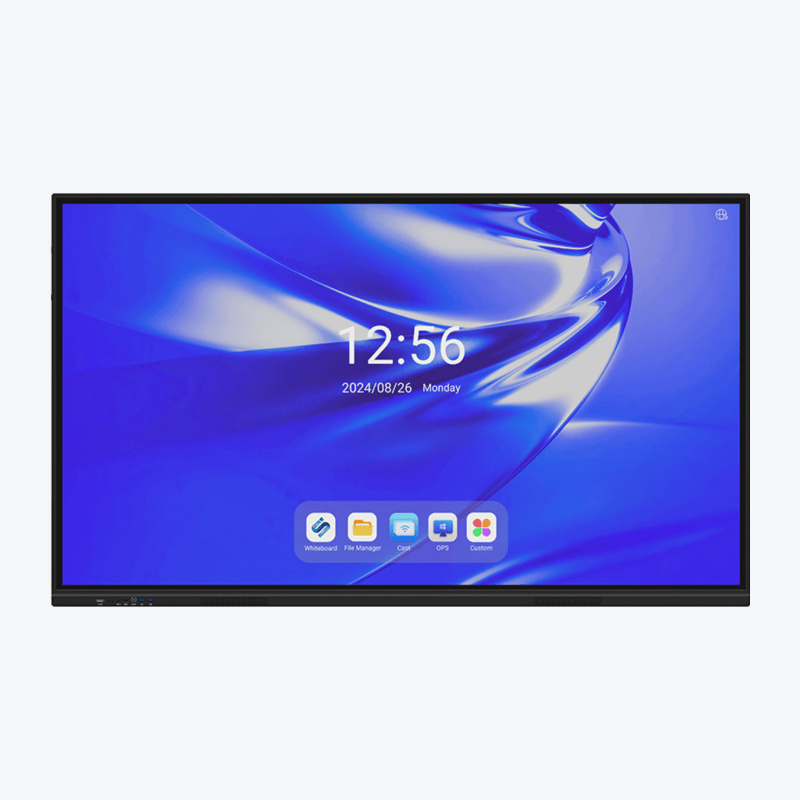
Интерактивният плосък панел се различава принципно от стандартните дисплеи благодарение на вградената си функция за усещане на докосване, специализираното образователно софтуерно осигуряване, вградените изчислителни възможности и връзката, проектирана специално за класни стаи. Докато телевизорът просто показва съдържание, интерактивният плосък панел позволява директно манипулиране на информацията, едновременно взаимодействие от страна на няколко потребителя, анотиране върху всяко съдържание и безпроблемна интеграция с образователни приложения и устройства. Технологията включва функции, проектирани специално за тази цел, като разпознаване на ръкописен текст, корекция на геометрични форми и инструменти за съвместна работа, които нямат аналог в потребителските дисплейни продукти.
Могат ли училищата да постигнат подобни образователни резултати, като използват проектори заедно с интерактивни бели дъски?
Въпреки че интерактивните системи, базирани на проектори, осигуряваха ценна функционалност при по-ранните реализации на цифрови класни стаи, те не могат да се мерят с характеристиките на производителността, които правят интерактивните плоски панели незаменими за съвременните образователни нужди. Проекторите страдат от намаляване на качеството на изображението при наличието на околна светлина, изискват затъмнени помещения, което затруднява записването на бележки и поддържа будността на учениците, нуждаят се от редовно поддържане и замяна на консумативи, както и водят до проблеми с калибрирането, които прекъсват уроците. Интерактивните плоски панели осигуряват постоянна яркост независимо от осветлението в помещението, изискват почти никакво поддържане, предоставят превъзходна яснота на изображението и елиминират проблемите с хвърлянето на сенки, присъщи на системите с преден проектор, които предизвикват раздразнение както у преподавателите, така и у учениците по време на интерактивна употреба.
Как интерактивният плосък панел подпомага преподавателите, които не са особено технически грамотни?
Съвременните интерактивни плоски панели са проектирани специално така, че да отговорят на загриженостите на учителите относно тяхното прилагане, като предлагат интуитивни интерфейси, които изискват минимални технически знания, но в същото време осигуряват напреднали възможности за по-опитни потребители. Системите обикновено включват стартиране с едно докосване, познати операционни парадигми, подобни на тези при смартфоните или планшетите, и прости инструменти за основни функции като писане, изтриване и запазване на съдържание. Учителите могат да започнат незабавно да използват основните функции без предварително обучение и постепенно да откриват напредналите възможности, докато нивото им на удобство расте. Освен това интерактивните плоски панели намаляват техническата сложност, като елиминират управлението на множество устройства и диагностицирането на проблеми с връзката, които характеризираха по-ранните класни технологии, което всъщност прави използването на технологиите по-просто, а не по-сложно за педагозите.
За какъв размер на класната стая или брой учениците интерактивният плосък панел е най-подходящ?
Технологията на интерактивните плоски панели се мащабира ефективно в различни класни стаи — от пространства за обучение в малки групи, предназначени за по-малко от десет ученици, до големи лекционни зали, които побират повече от петдесет участници. Определящият фактор не е броят на учениците, а педагогическият подход и учебните дейности, планирани за това пространство. Класните стаи, в които се насърчава интерактивното обучение, съвместната работа, интегрирането на мултимедийно съдържание и обучението, подобрено чрез технологии, значително се възползват от внедряването на интерактивни плоски панели, независимо от размера им. Избраните размери на дисплея трябва да отговарят на изискванията за разстояние на гледане и геометрията на помещението; панелите са налични в размери от шестдесет и пет инча за малки пространства до осемдесет и шест инча или по-големи за обширни класни стаи, като по този начин се гарантира подходяща видимост за всички ученици.
Съдържание
- Фундаменталната роля на интерактивните плоски панели в съвременната педагозия
- Технически възможности, които отговарят на критични образователни нужди
- Операционни предимства, които оправдават образователните инвестиции
- Задоволяване на еволюиращите образователни стандарти и очаквания
- Подготовка на образователни среди за непрекъснато иновиране
-
Често задавани въпроси
- Какво прави интерактивния плосък панел различен от стандартен голям дисплей или телевизор?
- Могат ли училищата да постигнат подобни образователни резултати, като използват проектори заедно с интерактивни бели дъски?
- Как интерактивният плосък панел подпомага преподавателите, които не са особено технически грамотни?
- За какъв размер на класната стая или брой учениците интерактивният плосък панел е най-подходящ?

