
 EN
EN
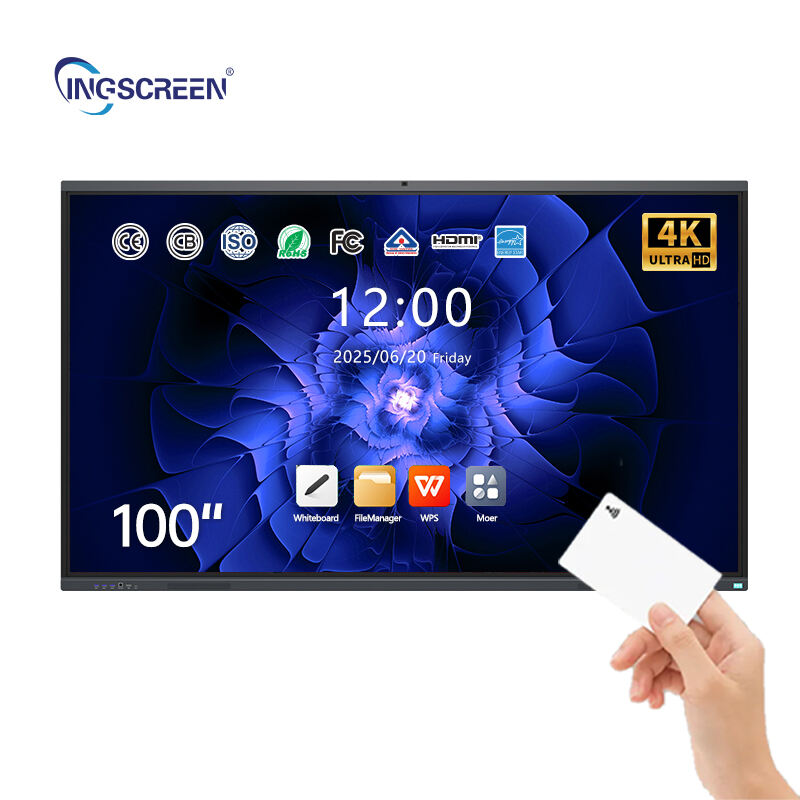
Изборът на подходящи решения за дигитални информационни табла представлява стратегическо решение, което директно влияе върху ангажираността на клиентите, оперативната ефективност и възприятието на бранда във физическите бизнес локации. Независимо дали се инсталират екрани в търговски магазини, корпоративни фоайета, здравни заведения или обекти в сферата на хоспиталитета, предприятията трябва да оценят комплексен набор от технически, функционални и интеграционни възможности, за да гарантират, че инвестициите им ще осигуряват устойчива стойност. За да се разбере кои функции наистина имат значение, а кои са само маркетингови прикраси, е необходимо познание как работят решенията за дигитални информационни табла в реални бизнес среди и какви технически спецификации се превръщат в практически оперативни предимства.
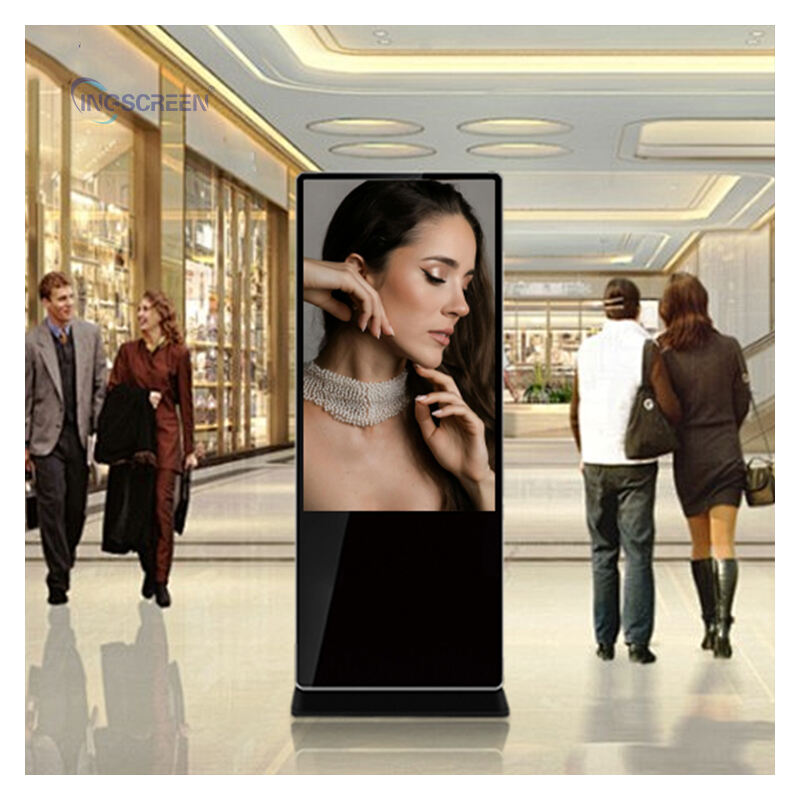
Съвременните решения за цифрови информационни табла надхвърлят значително основното дисплейно оборудване и включват системи за управление на съдържанието, възможности за дистанционно управление, протоколи за интеграция, спецификации за издръжливост и функции за мащабируемост, които заедно определят дългосрочната производителност и възвращаемост на инвестициите. Организациите, които подхождат към процеса на избор с яснота относно задължителните и допълнителните функции, постигат максимална ефективност на ангажирането, като избягват ненужна сложност или допълнителни разходи. Този анализ разглежда ключовите категории функции, които отличават надеждни, подходящи за корпоративна употреба решения за цифрови информационни табла от ограничени предложения, които не отговарят на променящите се бизнес изисквания в различни сценарии на разполагане и експлоатационни условия.
Качество на дисплея и визуални показатели
Стандарти за резолюция и изисквания към яснотата на съдържанието
Възможностите за резолюция са основата на ефективната визуална комуникация чрез решения за дигитални информационни табла и директно влияят върху това колко ясно публиката възприема текст, изображения, видео съдържание и графични елементи от различни разстояния за гледане. Предприятията трябва да оценят дали резолюцията Full HD е достатъчна за типичните им разстояния за гледане и типове съдържание или дали възможностите на 4K Ultra HD оправдават допълнителните инвестиции за инсталации, при които зрителите се приближават на малко разстояние или когато видимостта на фини детайли определя резултатите от ангажирането. Връзката между размера на екрана, резолюцията и типичното разстояние за гледане следва установените принципи на зрителната острота, които определят кога по-високата плътност на пикселите осигурява забележими предимства, а кога стандартната резолюция осигурява достатъчна яснота.
Професионални решения за цифрова сигнализация прилагат усъвършенствани пикселни структури и технологии за рендеринг на подпиксели, които подобряват видимото острота отвъд това, което предполагат спецификациите за суровата резолюция, особено важно за съдържание с много текст, подробни из Спецификациите за контрастния коефициент определят колко ефективно дисплеите различават между тъмните и ярките елементи на съдържанието, което влияе на четливостта при различни условия на осветление и на цялостното визуално въздействие на показваното съдържание. Предприятията, които работят в среди с значителна експозиция на естествена светлина или с променлива осветление, следва да отдават приоритет на решенията за цифрова сигнализация, които предлагат по-високи контрастни коефициенти, които поддържат видимостта на съдържанието, без да се изисква пълен контрол на осветлението
Нива на яркост и ефективност на светлината в околната среда
Спецификациите за яркост, измерени в нитове или кандела на квадратен метър, директно определят дали решенията за цифрова информация остават видими и привлекателни при различните условия на околна осветеност, с които се сблъскват в реални бизнес среди. Стандартните потребителски дисплеи обикновено осигуряват нива на яркост между триста и петстотин нита, което е достатъчно за контролирани вътрешни среди, но недостатъчно за места със значително прозоречно осветление, осветление отгоре или употреба на открито. Професионалните решения за цифрова информация, проектирани за инсталации с висока околна осветеност, осигуряват нива на яркост от седемстотин до хиляда и петстотин нита за вътрешни приложения, докато дисплеите, одобрени за употреба на открито, достигат от две хиляди до пет хиляди нита, за да преодолеят предизвикателствата, свързани с директната слънчева светлина.
Предприятията трябва да оценяват реалните си инсталационни среди, а не да предполагат, че стандартните спецификации за яркост са достатъчни, тъй като недостатъчната яркост води до избледняло съдържание, което зрителите имат трудности да прочетат или изобщо пренебрегват. Възможностите за автоматично регулиране на яркостта представляват ценни функции в решенията за дигитални информационни табла, разположени в места с променливи осветителни условия през работното време, като позволяват на дисплеите да запазват оптимална видимост и едновременно с това да спестяват енергия по време на периоди, когато пълната яркост не е необходима. Връзката между възможностите за яркост и енергийното потребление изисква оценка, тъй като дисплеите с по-висока яркост обикновено изискват по-мощна електрозахранваща инфраструктура и генерират допълнително топлина, която може да наложи подобрени мерки за охлаждане при инсталации в затворени пространства.
Точност на цветовете и последователност на възпроизвеждането
Спецификациите за точност на цветовете определят колко вярно решенията за цифрови информационни табла възпроизвеждат цветовете на брандовете, изображенията на продуктите и маркетинговите материали, които организациите внимателно разработват в рамките на конкретни цветови пространства. Професионалните дисплеи прилагат фабрични процедури за калибриране и поддържат стандартни за индустрията цветови пространства, включително sRGB и Adobe RGB, което гарантира последователно възпроизвеждане на цветовете на множество дисплеи в една мрежа и точна репрезентация на елементите на брандовата идентичност. Организациите със строги брандови стандарти или тези, които показват изображения на продукти, където вярността на цветовете влияе върху покупателските решения, трябва да отдадат предимство на решения за цифрови информационни табла, които предлагат възможности за калибриране на цветовете и документирани спецификации за цветова точност, а не на потребителски дисплеи с неконтролирано възпроизвеждане на цветове.
Спецификациите за дълбочина на цвета определят колко дискретни цветови вариации могат да възпроизвеждат дисплеите; професионалните решения за цифрово информационно табло обикновено предлагат дълбочина на цвета от десет бита, поддържаща повече от един милиард цветови комбинации, в сравнение със стандартните осембитови дисплеи, ограничени до приблизително шестнадесет милиона цвята. Това техническо различие става особено важно за съдържание с богати градиенти, фотографски изображения и видео, където артефактите от „поясване“ при плавните преходи между цветове намаляват възприетото качество. Стабилността на цветовото възпроизвеждане спрямо температурни промени гарантира, че решенията за цифрово информационно табло запазват последователна цветова производителност, докато вътрешните компоненти се загряват по време на продължителна експлоатация, като по този начин се избягва феноменът на цветово изместване, който засяга дисплеите с по-ниско качество през първите часове на ежедневна работа.
Управление на съдържанието и контролна инфраструктура
Възможности на централизираната управляваща платформа
Мощните системи за управление на съдържанието представляват основни инфраструктурни компоненти в комплексни решения за цифрови указатели , което позволява на организациите ефективно да актуализират, планират и контролират съдържанието както в отделни локации, така и в географски разпределени мрежи от дисплеи чрез централизирани административни интерфейси. Платформите за управление в облака отстраняват необходимостта от локална сървърна инфраструктура и осигуряват достъп от всяко устройство, свързано към интернет, което улеснява актуализирането на съдържанието от упълномощен персонал независимо от физическото му местоположение. Организациите трябва да оценят дали платформите за управление поддържат контрол въз основа на роли, който ограничава възможностите за промяна на съдържанието само за подходящия персонал, докато предоставя по-широки права за преглед с цел наблюдение.
Функционалността за планиране в решенията за цифрови информационни табла определя с каква точност организациите могат да контролират времето на показване на съдържанието, включително стратегии за разделяне по време на деня (dayparting), при които се извежда различно съобщение през сутрешния, обедния и вечерния период, или условни правила за съдържанието, които адаптират показаната информация в зависимост от външни входни данни. Инструментите за създаване на съдържание въз основа на шаблони намаляват техническите знания, необходими за редовните актуализации на съдържанието, като позволяват на маркетинговия персонал или мениджърите на локациите да обновяват съобщенията без нужда от специалисти по графичен дизайн или ИТ поддръжка за всяка промяна. Мащабируемостта на инфраструктурата за управление влияе върху това дали решенията за цифрови информационни табла могат да поддържат разширяването от първоначални пилотни внедрявания до корпоративни мрежи, обхващащи стотици или хиляди отделни дисплеи, без да се налага миграция на платформата или преустройство на архитектурата.
Функционалност за дистанционно наблюдение и диагностика
Комплексните възможности за дистанционен мониторинг отличават цифровите информационни системи от класа „за предприятия“ от базовите системи, като осигуряват реалновременна видимост върху работното състояние на дисплеите, потвърждение за възпроизвеждане на съдържанието и индикатори за здравето на хардуера в разпределени инсталации. Автоматизираните системи за известяване уведомяват администраторите, когато дисплеите излязат от мрежата, възникнат грешки при възпроизвеждане на съдържанието или компонентите на хардуера достигнат граничните стойности за отказ, което позволява проактивно намесване преди проблемите да повлияят на потребителското преживяване или да се наложат спешни сервизни обаждания. Предприятията, които управляват дисплеи в множество локации, особено извличат полза от възможностите за дистанционна диагностика, които намаляват необходимостта от посещения на техници на място за отстраняване на основни проблеми със свързаността или за потвърждение на успешното разпространяване на съдържанието.
Функционалността за документиране на изпълнението на съдържанието (Proof-of-play) в решенията за дигитални информационни табла регистрира точно кога конкретно съдържание е било показано на всеки дисплей, осигурявайки потвърждение за спазване на рекламните ангажименти, аудитни следи за регулирани отрасли и данни за ефективност при анализ на съдържанието. Възможността за дистанционно правене на снимки на екрана позволява на администраторите да проверяват действително показаното съдържание, без да разчитат на докладите на персонала на място, като потвърждава, че съдържанието се появява както е предвидено, и идентифицира проблеми с конфигурацията, които може да не активират технически сигнали, но компрометират ефективността на съобщенията. Телеметрични данни от хардуера, включително температурни сензори, проследяване на работните часове и индикатори за състоянието на компонентите, позволяват прилагането на стратегии за предиктивно поддръжка — замяната на компоненти, които наближават типичните граници на отказ, вместо да се чака пълният им отказ, който прекъсва операциите.
Съвместна работа и работни процеси за одобрение от множество потребители
Организациите с установени процеси за одобрение на съдържанието изискват решения за цифрови информационни табла, които поддържат управление на работни процеси и насочват съдържанието през подходящите вериги за преглед преди публикуването му на активните дисплеи. Възможностите за редактиране от множество потребители позволяват на маркетинговите екипи да сътрудничат при създаването на съдържание, като в същото време осигуряват контрол върху версиите и предотвратяват конфликтни едновременни промени, които биха могли да повредят файловете със съдържание. Йерархиите за разрешения трябва да позволят на организациите да предоставят права за създаване на съдържание на регионални мениджъри или персонал, отговарящ за конкретни локации, като същевременно изискват корпоративно одобрение преди съдържанието да достигне до дисплеите, ориентирани към клиенти, по този начин балансирайки оперативната гъвкавост с изискванията за последователност на бранда.
Функцията за предварителен преглед на съдържанието позволява на рецензентите да оценяват точно как ще изглеждат материалите на истинското дисплейно оборудване преди одобряване на публикуването, като по този начин се избягват проблеми с форматирането или четимостта, които може да не са очевидни при преглед на съдържанието върху стандартни компютърни монитори. Архивирането и възможностите за връщане назад в решенията за цифрови информационни табла осигуряват защитни механизми, които позволяват бързо възстановяване на предишни версии на съдържанието, ако новоразгърнатите материали съдържат грешки или пораждат неочаквани проблеми, като по този начин се минимизира продължителността на всеки проблем със съдържанието, който е видим за клиентите. Интеграцията с вече съществуващи платформи за сътрудничество и системи за уведомяване гарантира, че заявките за одобрение на съдържанието достигат до подходящия персонал чрез установените канали за комуникация, вместо да се изисква внедряването на напълно отделни инструменти за работни процеси.
Характеристики на устойчивостта на оборудването и надеждността на експлоатацията
Строителни стандарти за търговски клас
Решения за цифрови информационни табла, проектирани за непрекъсната търговска употреба, прилагат стандарти за конструкция и подбор на компоненти, които са принципно различни от тези в потребителската електроника, като отговарят на изискванията за надеждност при продължителна ежедневна работа и многогодишни периоди на експлоатация. Търговските дисплеи обикновено са оборудвани с промишлено ниво на подсветка на панелите, предназначена за 50 000 до 100 000 часа работа, в сравнение с потребителските дисплеи, чийто срок на експлоатация е по-кратък и отразява типичните модели на употреба в домашни условия. Професионалните системи за термично управление – включително подобрени топлоотводи, конструкции за вентилация и мониторинг на температурата – предотвратяват деградацията на компонентите при продължителна работа на по-високи нива на яркост, необходими в бизнес среди.
Усилена конструкция на шасито в комерсиалните решения за цифрови информационни табла защитава вътрешните компоненти от физически удари, вибрации по време на транспортиране и механично напрежение от монтиращата арматура в сравнение с потребителските дисплеи, които имат минимално структурно укрепване. Спецификациите на захранващото устройство за комерсиални дисплеи вземат предвид колебанията на напрежението, проблемите с качеството на електрозахранването и напрежението от честото включване и изключване на захранването в среди, където дисплеите се включват и изключват според работното време на бизнеса, а не остават постоянно включени. Предприятията, които внедряват решения за цифрови информационни табла в изискващи среди – като търговски площи, транспортни обекти или индустриални среди, – трябва да проверят дали техническите спецификации на оборудването ясно отговарят на изискванията за комерсиална експлоатация, а не да предполагат, че оборудването за потребителска употреба ще издържи на бизнес моделите на използване.
Спецификации на работния температурен диапазон
Спецификациите за работна температура определят експлоатационните условия, при които решенията за дигитални информационни табла функционират надеждно без повреждане на компонентите или ускорено остаряване, особено важно за инсталации в пространства без климатичен контрол, в локации с променливи сезонни условия или в затворени монтажни конфигурации, които ограничават циркулацията на въздуха. Стандартните комерсиални дисплеи обикновено функционират надеждно в температурен диапазон от 0 до 40 °C, докато специализираните решения за дигитални информационни табла за изискващи среди разширяват работния диапазон до отрицателни температури за приложения в студени складове или до по-високи температури за външни инсталации в горещи климатични зони.
Спецификациите за толерантност към влажност влияят върху това дали решенията за цифрови информационни табла могат да функционират в среда с висока влажност, включително в зони за хранене, външни инсталации в климатични зони с висока влажност или в локации, където може да възникне кондензация поради температурни разлики. Класификацията за защита срещу проникване, документирана чрез кодове IP, посочва нивата на устойчивост към прах и влага; решението за външни цифрови информационни табла обикновено изисква класификация IP65 или по-висока, потвърждаваща защита срещу струи вода и проникване на прах. Предприятията трябва да съпоставят техническите характеристики на компонентите с реалните условия на инсталация, а не да използват стандартни комерсиални дисплеи в изискващи условия, където те ще преждевременно излязат от строя или ще преживеят намаляване на производителността.
Дълготрайност и поддръжка на компонентите
Очакваните спецификации за срок на експлоатация на компонентите за критични елементи, включително LED подсветка, захранващи блокове и медиаплеъри, влияят върху изчисляването на общата стойност на притежание на решенията за дигитални табла, извън първоначалните разходи за закупуване. Спецификациите за половин живот на подсветката показват работните часове до намаляване на яркостта до петдесет процента от първоначалната изходна стойност, като обикновено се колебаят между тридесет хиляди и седемдесет хиляди часа в зависимост от качеството на дисплея и нивото на работна яркост. Предприятията трябва да изчислят очакваните интервали за подмяна въз основа на дневните работни часове и да оценят дали модулната конструкция позволява подмяна на отделни компоненти без необходимостта от пълна подмяна на дисплейната единица.
Конструкциите, които могат да се поддържат на място в професионалните решения за дигитални информационни табла, позволяват на техниците да заменят повредени компоненти, включително захранващи блокове, медиаплеъри или контролни платки, без да премахват целия дисплей от монтажното му място, което намалява времето за сервизно обслужване и минимизира прекъсванията в експлоатацията. Стандартизираните монтажни интерфейси и протоколите за кабелно свързване опростяват процедурите по замяна на компонентите, намаляват необходимата специализирана експертиза за поддръжка и потенциално позволяват на вътрешните екипи по сградна инфраструктура да извършват рутинно обслужване, вместо да се налага привличането на външни специалисти. Условията на гаранцията и наличните опции за разширена гаранция дават представа за увереността на производителя в надеждността на компонентите, като същевременно установяват рамки за поддръжка при устраняване на хардуерни повреди през очаквания експлоатационен живот.
Възможности за интеграция и инфраструктура за свързаност
Мрежови протоколи и стандарти за сигурност
Изчерпателните възможности за мрежова свързаност определят начина, по който решенията за дигитални информационни табла се интегрират в съществуващата ИТ инфраструктура; професионалните системи поддържат както проводни Ethernet връзки за стабилна доставка на съдържание с висока пропусквателна способност, така и безжични протоколи за инсталации, при които прокарването на кабели е непрактично. Възможността за двойно мрежово интерфейсно свързване осигурява резервност, която гарантира непрекъснатата доставка на съдържание при отказ на основната връзка – особено ценно за критични комуникационни приложения, при които прекъсването на работата на дисплея директно влияе върху бизнес операциите. Поддръжката на конфигурации за виртуални локални мрежи (VLAN) позволява на организациите да сегментират трафика от дигиталните информационни табла отделно от другата мрежова активност, като по този начин се изпълняват изискванията към политиките за сигурност и управлението на широчината на лентата в корпоративните мрежи.
Протоколите за сигурност, внедрени в решенията за дигитални информационни табла, определят уязвимостта към неоторизиран достъп, манипулация на съдържанието или интеграция в ботнет-мрежи, които биха могли да компрометират по-широката киберсигурност на организацията. Доставката на криптирано съдържание, изискванията за сигурна аутентикация при управление и редовните актуализации на фърмуерите за сигурност отличават професионално управляваните решения за дигитални информационни табла от потребителското оборудване с минимални предпоставки за сигурност. Организациите трябва да оценят дали решенията за дигитални информационни табла поддържат стандарти за сигурност в мрежата, включително аутентикация чрез сертификати, криптирани протоколи за управление и документирани политики за сигурностни актуализации, които решават възникващите уязвимости през целия експлоатационен живот.
Опции за интеграция с външни източници на данни
Напредналите решения за цифрови информационни табла поддържат интеграция с външни източници на данни, включително системи за продажби на място (POS), бази данни за наличност, метеорологични услуги, канали за социални медии и платформи за планиране на ресурсите на предприятието, което позволява динамично съдържание, реагиращо на текущите бизнес-условия в реално време. Спецификациите за API-свързаност определят дали организацията може да разработи персонализирани интеграции, които извличат конкретни елементи от данните в съдържанието на дисплея, създавайки приложения като системи за управление на опашките, табла за статуса на производството или персонализирани съобщения към клиентите въз основа на данни от програмите за лоялност. Техническата достъпност на възможностите за интеграция влияе върху това дали организацията има нужда от специализирани ресурси за разработка или може да осъществи връзките с данни чрез конфигурационни интерфейси, достъпни за ИТ-специалисти с общ профил.
Стандартната поддръжка на протоколи, включително RSS потоци, структури от данни в JSON формат и интерфейси за заявки към бази данни, позволява на решенията за цифрови информационни табла да използват информация от разнообразни източници, без да се изисква персонализирано разработване за всяка интеграция. Възможностите за актуализация на данните в реално време определят колко бързо показаната информация отразява промените в източните системи, като по този начин се отличават приложенията, при които е съществено обновяването на информацията всяка минута, от сценариите, при които е достатъчна синхронизация в часови или дневен интервал. Предприятията трябва да оценят дали решенията за цифрови информационни табла включват предварително създадени шаблони за интеграция с често използваните източници на данни или изискват пълно ново разработване за всяко външно свързване, което значително влияе върху сроковете за внедряване и изискванията към техническите ресурси.
Интерактивен вход и интеграция на сензори
Възможностите за управление чрез докосване превръщат решенията за цифрова информация от пасивни дисплеи за съдържание в интерактивни информационни киоскове, системи за навигация или платформи за самостоятелни транзакции, което изисква оценка на техническите спецификации на технологиите за управление чрез докосване, включително точност на отговора, поддръжка на мултидокосване и устойчивост при непрекъснато обществено използване. Инфрачервените технологии за управление чрез докосване осигуряват надеждна производителност с толерантност към замърсяване на повърхността и съвместимост с работа с ръкавици, докато капацитивните технологии за управление чрез докосване предлагат по-висока прецизност, но изискват директен контакт с пръст и чиста повърхност на екрана. Предприятията, които внедряват интерактивни решения за цифрова информация, трябва да вземат предвид устойчивостта към вандализъм, протоколите за почистване, които запазват чувствителността към докосване, и опциите за защитни филми за екрана, които запазват функционалността на управлението чрез докосване, докато защитават повърхността на дисплея.
Възможности за интеграция на сензори, включително детектиране на близост, мониторинг на заетост или екологични сензори, позволяват на решенията за дигитални информационни табла да адаптират съдържанието си в зависимост от присъствието на аудиторията и екологичните условия. Детектирането на движение активира възпроизвеждането на съдържанието, когато зрители се приближат, което спестява енергия по време на периоди без присъствие на аудитория, като в същото време гарантира показването на съдържанието при наличието на възможности за ангажиране. Интеграцията на камери, поддържаща приложения за компютърно зрение, осигурява аналитика на аудиторията, включително разпознаване на демографски характеристики, измерване на вниманието и анализ на моделите на пешеходен трафик, които насочват оптимизирането на стратегията за съдържание; при това внедряването изисква вземане под внимание на нормативите за поверителност и подходящи практики за информиране относно възможностите за наблюдение.
Съображения за мащабируемост и готовност за бъдещето
Гъвкавост по отношение на формат и резолюция на съдържанието
Цифровите информационни системи за бъдещето поддържат разнообразни формати на съдържание, включително стандартни видео кодеци, стандарти за високо ефективно кодиране, анимирани графични формати, уеб-базирано съдържание и нововъзникващи медийни типове, без да се изисква замяна на хардуера по време на еволюцията на възможностите за производство на съдържание. Спецификациите за поддръжка на кодеци определят кои формати на видео компресия дисплеите могат да декодират нативно, което влияе върху размера на файловете със съдържание, изискванията към пропускливата способност при потоково предаване и съвместимостта с инструментите за създаване на съдържание. Предприятията трябва да проверят дали цифровите информационни системи поддържат индустриално установени формати, включително видео компресията H.264 и H.265, като същевременно запазват гъвкавост за приемане на нововъзникващи стандарти чрез актуализации на фърмуерите, а не чрез замяна на хардуера.
Гъвкавостта при избор на портретна и пейзажна ориентация позволява на организациите да оптимизират позиционирането на дисплея за конкретни инсталационни контексти и типове съдържание, без ограничения от страна на хардуера — особено ценно за търговски среди, фоайета на асансьори или тесни архитектурни пространства, където вертикалните дисплеи осигуряват по-добра видимост. Възможностите за мащабиране на резолюцията гарантират, че съдържанието, създадено за определени пикселни размери, се показва правилно на устройства с различни нативни резолюции, което защитава библиотеките със съдържание по време на подмяна на хардуера и осигурява последователно разпространение на съдържанието в мрежи от дисплеи с различни поколения хардуер.
Модулно разширение и поддръжка на растежа на мрежата
Мащабируемата архитектура в решенията за цифрови информационни табла позволява на организациите да разширяват своите системи – от първоначалните инсталации до комплексни мрежи – без да се сблъскват с ограничения на платформата, лицензни ограничения или намаляване на производителността, което принуждава към скъпи миграции. Спецификациите на капацитета на управляващата платформа – включително максималният брой поддържани дисплеи, броят едновременно активни потребители и обемът на хранилището за съдържание – определят възможностите за растеж преди да стане необходимо подобряване на инфраструктурата. Организациите трябва да оценят дали моделите за лицензиране поддържат постепенното разрастване чрез добавяне на отделни дисплеи или изискват преминаване към по-високи тарифни нива при достигане на определени прагове, което създава финансови бариери за разширение.
Възможностите за разпределена доставка на съдържание определят дали решенията за цифрова информационна система ефективно предоставят съдържание на географски разпръснати локации, без да претоварват централната инфраструктура или да изискват излишно съхранение на съдържанието на всяка отделна локация. Функционалността за кеширане на ръба позволява локално съхранение на съдържанието в отдалечени локации, като се запазва централизираното управление, намалява се изискваната широчина на лентата и се гарантира непрекъснатост на възпроизвеждането на съдържанието при временни прекъсвания на мрежовите връзки. Възможностите за федерация в корпоративните решения за цифрова информационна система позволяват на организационните подразделения да управляват локалното съдържание, докато корпоративните функции запазват надзор и разпространяват съобщения за цялата компания, като по този начин се постига баланс между оперативната автономност и изискванията за последователност на бранда.
Обновяване на технологиите и пътища за миграция
Функциите за обратна съвместимост в рамките на еволюциониращите решения за цифрови информационни табла защитават инвестициите, като позволяват на организациите да интегрират по-нови модели хардуер в съществуващите мрежи, без да заменят функциониращото оборудване или напълно да преизграждат инфраструктурата за управление на съдържанието. Подходите, базирани на отворени стандарти, за форматиране на съдържанието, протоколи за управление и интерфейси за интеграция намаляват рисковете от зависимост от един доставчик, като позволяват на организациите да преминават между платформи или да интегрират компоненти от различни доставчици, вместо да остават зависими от единствен доставчик. При оценката на дългосрочната жизнеспособност на решенията за цифрови информационни табла бизнесът трябва да анализира предишните постижения на доставчика относно еволюцията на платформата, наличността на инструменти за миграция и поддръжката на остаряло хардуерно оборудване по време на преходните периоди.
Съображенията относно преносимостта на съдържанието определят дали организациите могат да експортират библиотеки със съдържание и да повторно използват креативни активи при преминаване от едно решение за цифрови информационни табла към друго, като по този начин се защитават инвестициите в разработката на съдържание извън жизнените цикли на хардуера. Възможностите за експорт на управляваща база данни запазват конфигурационните данни, правилата за планиране и организационните структури по време на миграция между платформи, което намалява усилията, необходими за възсъздаване на операционните параметри в заместващите системи. Показателите за стабилност на доставчика — включително продължителността на присъствието му на пазара, финансовата подкрепа и размерът на клиентската му база — дават представа за вероятността избраните решения за цифрови информационни табла да получават непрекъсната поддръжка, актуализации за сигурност и подобрения на функционалността през очакваните операционни жизнени цикли.
Често задавани въпроси
Какво отличава професионалните цифрови информационни табла от потребителските дисплеи за бизнес приложения?
Комерсиалните решения за дигитални информационни табла използват компоненти, класифицирани за непрекъснато функциониране в продължение на петдесет до сто хиляди часа, разполагат с подобрени системи за термично управление, които предотвратяват прегряването при продължителна употреба, и включват професионално осветление от отзад, което запазва постоянна яркост в течение на многогодишни инсталации. Тези системи осигуряват централизирани възможности за управление на съдържанието върху множество дисплеи, поддържат интеграция в мрежата на корпоративната ИТ-инфраструктура и включват гаранционно покритие и поддръжка, проектирани според изискванията на бизнес операциите, а не според моделите на употреба в домашни условия.
Как бизнесът определя подходящите спецификации за яркост за своите инсталации на дигитални информационни табла?
Изискванията за яркост на решенията за дигитални информационни табла зависят от условията на околна осветеност на местата за инсталиране: контролираните вътрешни среди обикновено изискват дисплеи с яркост между седемстотин и хиляда нита, вътрешни среди с висока околна осветеност и значително проникване на дневна светлина през прозорци — от хиляда до хиляда и петстотин нита, а външните инсталации изискват от две хиляди до пет хиляди нита, за да се компенсира директната слънчева светлина. Предприятията трябва да извършват оценки на местата, като измерват действителните условия на осветеност в предложените места за монтиране на дисплеите, вместо да разчитат на общи описания на пространството, тъй като дори вътрешните среди се различават значително в зависимост от разположението на прозорците, интензивността на изкуствената осветеност и архитектурните особености, които влияят върху отражението на светлината.
Какви възможности за интеграция се оказват най-ценни при решенията за дигитални информационни табла в бизнес среди?
Възможностите за приоритетна интеграция включват свързаност с системи за продажби на място (POS), което позволява изпращане на промоционални съобщения в реално време въз основа на нивата на наличност или моделите на транзакции, интеграция с календарни системи за дисплеи в срещални зали и приложения за управление на пространството, връзка с метеорологични услуги за открити заведения в сферата на хоспиталитета или търговски обекти, където атмосферните условия влияят върху поведението на клиентите, както и интеграция с ленти от социални медии за дисплеи, насочени към ангажираността на клиентите. Поддръжката на API и съвместимостта със стандартни протоколи за обмен на данни определят дали организациите могат да внедрят персонализирани интеграции, съответстващи на специфичните им бизнес-процеси, без значителна персонализирана разработка; предварително създадените конектори за често използвани корпоративни системи намаляват сложността при внедряването за стандартни сценарии на интеграция.
Как трябва бизнесът да оценява общата стойност на собствеността за решенията за цифрови надписи, като отиде по-далеч от първоначалното закупуване на хардуер?
Изчерпателният анализ на разходите за решенията за дигитални табла включва разходите за закупуване на хардуер, таксите за абонамент или лицензиране на платформата за управление на съдържанието, разходите за монтаж (включително монтиращи компоненти и електротехнически работи), модификации на мрежовата инфраструктура при недостатъчна съществуваща свързаност, текущи разходи за създаване или обновяване на съдържанието, електроенергийните разходи през целия експлоатационен живот и разходите за поддръжка, включително замяна на компоненти и техническа поддръжка. Организациите трябва да изчислят очакваните интервали за замяна на компонентите въз основа на производствените спецификации и дневните часове на работа, да оценят условията на гаранцията и наличните удължени договори за сервизно обслужване, както и да проанализират изискванията към вътрешни и външни ресурси за управление на съдържанието и системната администрация, за да разработят реалистични прогнози за разходите за многогодишен период.
Съдържание
- Качество на дисплея и визуални показатели
- Управление на съдържанието и контролна инфраструктура
- Характеристики на устойчивостта на оборудването и надеждността на експлоатацията
- Възможности за интеграция и инфраструктура за свързаност
- Съображения за мащабируемост и готовност за бъдещето
-
Често задавани въпроси
- Какво отличава професионалните цифрови информационни табла от потребителските дисплеи за бизнес приложения?
- Как бизнесът определя подходящите спецификации за яркост за своите инсталации на дигитални информационни табла?
- Какви възможности за интеграция се оказват най-ценни при решенията за дигитални информационни табла в бизнес среди?
- Как трябва бизнесът да оценява общата стойност на собствеността за решенията за цифрови надписи, като отиде по-далеч от първоначалното закупуване на хардуер?

